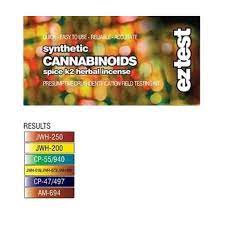
Synthetic Cannabinoids: What They Are
Understanding Synthetic Cannabinoids
Synthetic cannabinoids are laboratory-created chemicals designed to interact with cannabinoid receptors in the body. Although they are sometimes marketed under various names, they are chemically different from naturally occurring cannabinoids found in the cannabis plant.
These substances can vary significantly in their chemical composition and potency. Because formulations frequently change and products may contain unknown ingredients, their effects can be unpredictable.
How Synthetic Cannabinoids Differ from Natural Cannabinoids
Unlike naturally occurring cannabinoids such as THC and CBD, synthetic cannabinoids are manufactured compounds. Small changes in their chemical structure can produce substantially different effects, making it difficult to predict their pharmacological properties or potential risks.
Ongoing Research
Researchers continue to study synthetic cannabinoids to better understand how they interact with cannabinoid receptors, their chemical properties, and their effects on the body. Scientific knowledge in this area is still evolving.
Safety Considerations
Public health agencies have warned that synthetic cannabinoids may pose significant health risks due to their potency, inconsistent composition, and the presence of unlisted ingredients in some products. Anyone seeking information should consult reliable health resources and stay informed about applicable laws and regulations in their area.
Learn More
- SYNTHETIC CANNABINIODS
4-CN-BINACA-ADB
- Price range: $400.00 through $7,500.00
- Select options This product has multiple variants. The options may be chosen on the product page
- SYNTHETIC CANNABINIODS
4F-MDMB
- Price range: $210.00 through $2,100.00
- Select options This product has multiple variants. The options may be chosen on the product page
- SYNTHETIC CANNABINIODS
5-CL-ADB-A
- Price range: $210.00 through $2,455.00
- Select options This product has multiple variants. The options may be chosen on the product page
- SYNTHETIC CANNABINIODS
5F MDMB 2201
- Price range: $165.00 through $750.00
- Select options This product has multiple variants. The options may be chosen on the product page
- SYNTHETIC CANNABINIODS
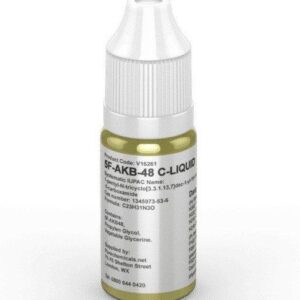
5F-AKB-48 C Liquid
- Price range: $222.00 through $2,010.00
- Select options This product has multiple variants. The options may be chosen on the product page
- SYNTHETIC CANNABINIODS
Buy 4A-ADB
- Price range: $150.00 through $2,200.00
- Select options This product has multiple variants. The options may be chosen on the product page
- SYNTHETIC CANNABINIODS
Buy 4F-AMB
- Price range: $155.00 through $1,900.00
- Select options This product has multiple variants. The options may be chosen on the product page
- SYNTHETIC CANNABINIODS
Buy 5F-ADB
- Price range: $220.00 through $2,000.00
- Select options This product has multiple variants. The options may be chosen on the product page
- SYNTHETIC CANNABINIODS
Buy AM-694
- Price range: $280.00 through $5,100.00
- Select options This product has multiple variants. The options may be chosen on the product page
- SYNTHETIC CANNABINIODS
Buy JWH-018
- Price range: $300.00 through $3,500.00
- Select options This product has multiple variants. The options may be chosen on the product page
- SYNTHETIC CANNABINIODS
Buy SGT-78
- Price range: $300.00 through $1,500.00
- Select options This product has multiple variants. The options may be chosen on the product page
- SYNTHETIC CANNABINIODS
CUMYL-PEGACLONE (SGT-151)
- Price range: $400.00 through $4,000.00
- CUMYL-PEGACLONE (SGT-151) online is a gamma-carboline-based synthetic cannabinoid that has been sold as a designer drug.
- Select options This product has multiple variants. The options may be chosen on the product page