HERBAL ECSTASY: The Scientific Truth, Chemical Ingredients, and Safety Realities
If you are researching the term HERBAL ECSTASY or looking to understand where to buy herbal ecstasy, it is highly critical to look past clever marketing terms and evaluate what these substances actually contain. Often advertised as a “natural high,” “energy booster,” or “safe legal alternative” to MDMA (ecstasy), these products frequently contain concentrated, unregulated compounds that pose severe physical and mental health hazards.
This educational guide provides an objective, science-backed breakdown of the chemical ingredients behind these products, their current legal standing, and the physiological realities of consuming them.
What is Herbal Ecstasy?
The term herbal ecstasy does not refer to a single, standardized plant or medicine. Instead, it is a broad commercial label applied to a variety of pills, capsules, powders, or liquids containing a blend of potent stimulants, botanicals, and sometimes synthetic research chemicals.
The FDA Ban on Ephedrine Alkaloids
Many searches focus on trying to buy the best herbal ecstasy at k2spic.co or locating sources of premium herbal ecstasy online. However, consumers should be highly aware of the strict regulatory history governing these products.
In 2004, the United States Food and Drug Administration (FDA) issued a landmark ruling banning the sale of dietary supplements containing ephedra (ephedrine alkaloids).
Common Ingredients in Modern “Premium” Formulations
Since the ephedra ban, manufacturers of “legal highs” have modified their ingredient profiles. Modern products marketed under these keywords typically use a combination of the following compounds:
Yohimbine: An alkaloid derived from the West African Yohimbe tree. It increases noradrenaline levels, significantly raising heart rate and blood pressure. In high doses, it can cause severe anxiety, muscle tremors, and panic attacks.
Synephrine (Bitter Orange): Chemically similar to ephedrine, synephrine is often used in weight-loss and energy supplements. It stimulates the heart muscle and can cause dangerous cardiovascular strain, especially when combined with caffeine.
Highly Concentrated Caffeine: Anhydrous caffeine is frequently used as a base filler to induce a rapid spike in energy, which can lead to palpitations, dehydration, and severe insomnia.
Synthetic Cannabinoids or Analogs: In dangerous instances, underground web stores mix raw synthetic research chemicals (like K2 or Spice) into herbal blends to guarantee a psychoactive effect. These chemicals are highly toxic and chemically unpredictable.
Health and Physiological Risks
Because these products are manufactured without oversight, their chemical compositions are highly inconsistent. The physiological risks of consuming concentrated herbal or synthetic stimulants include
Cardiovascular Damage: Extreme heart palpitations, irregular heart rhythm (arrhythmia), acute hypertension, strokes, and heart attacks.
Neurological Distress: Severe panic attacks, acute psychosis, visual and auditory hallucinations, tremors, and grand mal seizures
Frequently Asked Questions (FAQs)
What is herbal ecstasy made of?
Historically, herbal ecstasy was made primarily from ephedra (Ma Huang), which contains ephedrine alkaloids. Following the FDA’s ban on ephedra, modern versions typically contain high concentrations of caffeine, synephrine, yohimbine, or illicit synthetic chemicals designed to mimic stimulant and hallucinogenic drugs
Is herbal ecstasy legal to buy?
Is herbal ecstasy safer than MDMA (ecstasy)?
No. Although marketed as “natural” or “safe,” these products are completely unregulated, meaning their actual ingredients and dosages are unknown. Consuming these concentrated stimulants can lead to severe, life-threatening cardiovascular and neurological complications similar to or worse than illicit synthetic drugs.
- HERBAL ECSTASY
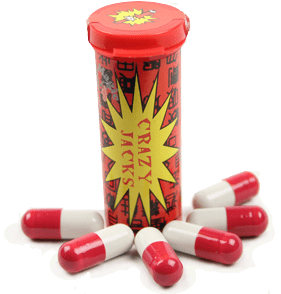
Crazy Jacks
- Price range: $12.00 through $104.00
- Select options This product has multiple variants. The options may be chosen on the product page
- HERBAL ECSTASY
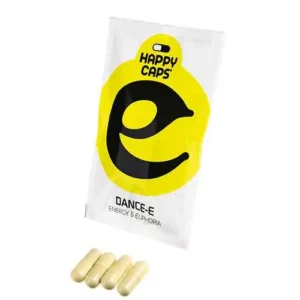
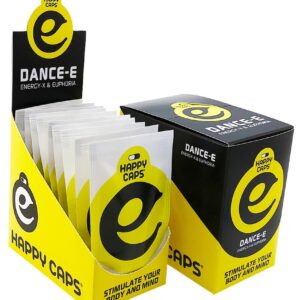
Dance-e
- $30.00
- Dance-E, each of which is intended to evoke a distinct emotion. Elephants has the entire collection, so choose your favorite to set the perfect mood. Enjoying it with friends is ideal.
- Add to cart
- Sale!
- HERBAL ECSTASY
e-Dance Pack
- Original price was: $49.00.$35.00Current price is: $35.00.
- Add to cart
- Sale!
- HERBAL ECSTASY
e-Happy Pack
- Original price was: $40.00.$30.00Current price is: $30.00.
- Add to cart
- Sale!
- HERBAL ECSTASY
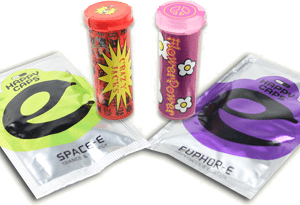
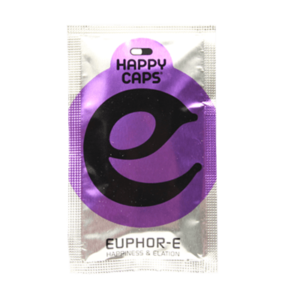
Euphor-e
- Original price was: $45.00.$25.00Current price is: $25.00.
- Add to cart
- HERBAL ECSTASY
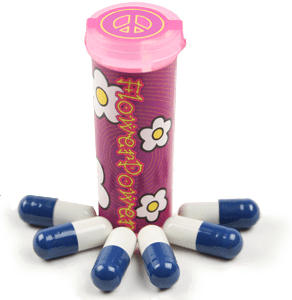
Flower Power
- Price range: $12.00 through $110.00
- Select options This product has multiple variants. The options may be chosen on the product page
- HERBAL ECSTASY
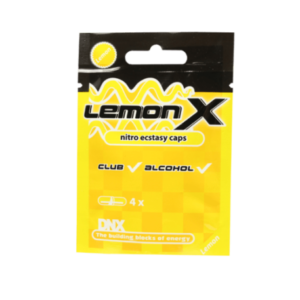
Lemon-x
- $12.00
- Lemon-x People looking for an energy boost at parties and festivals often take advantage of Lemon X Nitro, a herbal blend that delivers energy.
- Add to cart