Keyword Definitions
Before exploring the history and risks of JWH-018, it helps to understand the main terms used throughout this guide.
- JWH-018: A laboratory-developed synthetic cannabinoid studied for its interaction with cannabinoid receptors in the body. It is a specific chemical, not a general name for every synthetic cannabinoid.
- JWH-18: An informal or shortened spelling sometimes used when people refer to JWH-018. The recognized chemical identifier is JWH-018.
- Synthetic cannabinoids: Laboratory-made chemicals that interact with cannabinoid receptors. Their effects can differ substantially from those of THC, the primary intoxicating compound in cannabis.
- K2 and Spice: Common names associated with products containing synthetic cannabinoids. Product contents can vary, and the labels do not establish what chemicals are present.
- Herbal incense: A broad term for aromatic products intended for fragrance. Some products historically sold under this label contained synthetic cannabinoids and were marketed in misleading ways.
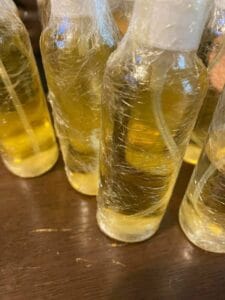
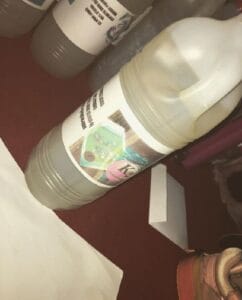
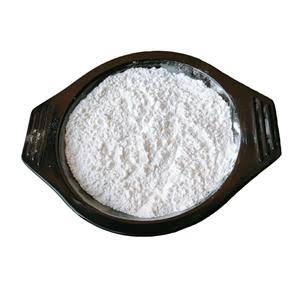
- K2 powder and K2 spray on paper: Terms used in discussions of synthetic cannabinoid materials and their distribution. Neither term guarantees a particular chemical composition, purity, or safety.
Introduction
JWH-018 is one of the synthetic cannabinoids that brought increased attention to the risks associated with products marketed as K2, Spice, and herbal incense. Although researchers originally developed these compounds to study cannabinoid receptors, some synthetic cannabinoids eventually appeared in unregulated consumer products.
Understanding JWH-018 requires distinguishing laboratory research from commercial marketing. Products carrying similar names may contain different chemicals, and packaging alone cannot establish their contents or safety.
This guide examines what JWH-018 is, how synthetic cannabinoids became associated with K2 and Spice, the legal position in the United States, and the potential health consequences of exposure.
What Is JWH-018?
JWH-018 is a synthetic cannabinoid developed during research into how chemicals interact with cannabinoid receptors. The JWH designation refers to chemist John W. Huffman, whose research group investigated compounds affecting these receptors.
Unlike THC, which occurs naturally in cannabis, JWH-018 is manufactured through chemical processes. It can activate cannabinoid receptors, but its effects are not identical to those of cannabis.
Synthetic cannabinoids are not a single substance. They represent a broad and changing group of chemicals, each with its own properties and potential risks.
How JWH-018 Differs From THC
THC and JWH-018 interact with the body’s cannabinoid system, but their chemical structures and pharmacological properties differ.
JWH-018 has demonstrated strong activity at cannabinoid receptors. However, the effects of a substance cannot be predicted from receptor activity alone, and real-world risks depend on several factors, including the substance involved, exposure level, and individual health.
Products containing synthetic cannabinoids also present an additional problem: their chemical contents and concentrations may be unknown. This makes their effects difficult to predict and increases the risk of serious reactions.
How JWH-018 Became Associated With K2 and Spice
During the 2000s, products marketed as Spice and other herbal smoking blends began attracting attention in several countries. Some contained plant material treated with synthetic cannabinoids, including JWH-018.
The term K2 subsequently became widely associated with this broader category of products. Labels frequently emphasized herbal ingredients or used disclaimers suggesting the products were intended for purposes other than human consumption.
Such labels did not establish that a product was harmless, natural, or free of synthetic chemicals.
Understanding K2 Powder and K2 Spray on Paper
The terms K2 powder and K2 spray on paper appear in discussions about synthetic cannabinoid materials. They describe different forms or presentations associated with these substances, rather than standardized products with verified ingredients.
A product’s appearance cannot reliably identify its chemical composition. Similarly, a familiar brand name or package does not prove that two batches contain the same substance.
For this reason, claims about purity, concentration, or expected effects should not be accepted without reliable analytical evidence.
Is JWH-018 Legal in the United States?
JWH-018 was placed in Schedule I under the United States Controlled Substances Act in 2011. This classification applies to the specific compound and should not be confused with the legal status of every chemical described as a synthetic cannabinoid.
Federal and state laws may also cover other specified synthetic cannabinoids and certain substantially similar substances. The applicable rules depend on the compound, the circumstances, and the jurisdiction.
A product advertised as incense, potpourri, or a research chemical is not automatically exempt from controlled-substance laws. Anyone needing a definitive legal answer should consult current official regulations or a qualified legal professional.
Health Risks Associated With Synthetic Cannabinoids
Synthetic cannabinoids have been associated with serious adverse effects, including:
- Rapid heartbeat and elevated blood pressure.
- Severe anxiety, agitation, or confusion.
- Hallucinations and paranoia.
- Nausea and vomiting.
- Tremors and seizures.
- Kidney injury and other serious medical complications.
Not every exposure produces the same symptoms, and the severity of a reaction cannot be reliably predicted from a product’s name or appearance.
Why the Effects Can Be Unpredictable
Several factors make synthetic cannabinoid exposure difficult to assess. Different chemicals may affect cannabinoid receptors differently, and unregulated products can contain unknown substances or uneven concentrations.
Manufacturers have also introduced new synthetic cannabinoid structures over time. Consequently, information about one compound may not accurately describe another, even when both are sold under similar product names.
People experiencing seizures, difficulty breathing, collapse, severe confusion, or other signs of a medical emergency should seek emergency medical assistance immediately.
For evidence-based information, consult the National Institute on Drug Abuse and the U.S. Drug Enforcement Administration.
The History and Regulation of Synthetic Cannabinoids
The development of synthetic cannabinoids began in scientific research, but some compounds later entered unregulated markets. As public health concerns increased, authorities introduced controls on particular chemicals and broader groups of related substances.
This created an ongoing regulatory challenge: identifying a new compound, assessing its risks, and determining which legal provisions apply.
The history of JWH-018 illustrates why chemical identification matters. A product described simply as K2 or Spice cannot be assumed to contain JWH-018, and research about one synthetic cannabinoid should not automatically be applied to every other compound.
For further background, the DEA’s drug scheduling information explains how controlled substances are classified in the United States.
Exploring Herbal Incense Information on K2Spice.co
Readers researching K2, Spice, and herbal incense should understand the difference between aromatic products and products containing synthetic cannabinoids. These terms are sometimes used inconsistently, so it is important to evaluate product descriptions critically and avoid assuming that marketing language verifies a product’s ingredients.
You can explore the herbal incense category on K2Spice.co to review the site’s category listings, or visit the K2Spice.co shop to browse its broader catalog.
Product names and descriptions should not be treated as laboratory confirmation of chemical composition, safety, or legal status.
Key Takeaways About JWH-018
JWH-018 is a specific synthetic cannabinoid originally developed for receptor research. It later became associated with some products marketed as K2 and Spice, contributing to public health and regulatory concerns.
The most important points are:
- JWH-018 is a particular chemical, not a synonym for every synthetic cannabinoid.
- K2 and Spice are broad product names that do not guarantee specific ingredients.
- Products marketed as herbal incense may not contain only aromatic plant material.
- Synthetic cannabinoid exposure can cause severe and unpredictable health effects.
- JWH-018 is controlled under U.S. federal law, and the legal status of related compounds depends on applicable laws.
- Product packaging alone cannot establish chemical identity, purity, or safety.
For information about substance-related health concerns and treatment referrals in the United States, visit SAMHSA.
Frequently Asked Questions About JWH-018 Synthetic Cannabinoid
1. Is JWH-18 the same as JWH-018?
JWH-18 is sometimes used as an informal shortened reference to JWH-018. JWH-018 is the recognized chemical identifier and is the more precise term to use when researching this compound.
2. What is JWH-018?
JWH-018 is a laboratory-developed synthetic cannabinoid that acts on cannabinoid receptors. It was developed for scientific research and later appeared in some unregulated products marketed as synthetic cannabis.
3. Are JWH-018, K2, and Spice the same thing?
No. JWH-018 is a specific chemical, whereas K2 and Spice are names associated with products that may contain different synthetic cannabinoids. A product carrying either name cannot be assumed to contain JWH-018.
4. Is JWH-018 natural or synthetic?
JWH-018 is synthetic, meaning it is manufactured through chemical processes rather than produced naturally by the cannabis plant.
5. Why are synthetic cannabinoids considered dangerous?
They can cause serious reactions, including seizures, rapid heartbeat, severe agitation, and kidney injury. Unknown ingredients and inconsistent concentrations can make the risks difficult to predict.
6. Is JWH-018 legal in the United States?
JWH-018 was placed in Schedule I under federal law in 2011. Other synthetic cannabinoids may be controlled under separate provisions, so the legal position must be assessed for the particular substance and circumstances.
7. Can a product label confirm that it contains JWH-018?
No. Packaging and product descriptions cannot reliably establish chemical identity. Appropriate laboratory analysis is needed to identify substances in a sample, and even a test result applies only to the sample examined.
8. Can synthetic cannabinoids be detected by a drug test?
Some standard drug screens do not detect many synthetic cannabinoids. Detection depends on the substance, the test method, and the timing of exposure. Specialized testing may be required.
9. Is herbal incense always free from synthetic cannabinoids?
No. Herbal incense is a broad product category, and the label alone does not establish the ingredients. Some products historically marketed as incense were found to contain synthetic cannabinoids.
10. Where can readers find reliable information about synthetic cannabinoids?
The National Institute on Drug Abuse provides research-based information about substance use and health risks. The DEA provides information about controlled substances and federal drug scheduling.