What are the uses of K2 spray? K2 spray is commonly marketed online as a synthetic spray or herbal incense spray, but products sold under these names may contain synthetic cannabinoids with unpredictable and potentially dangerous effects. Understanding the claimed uses of K2 spray, how these products are described, and the associated health and legal concerns can help readers distinguish marketing claims from reliable information.
This guide explains what K2 spray is, why it is marketed under different names, and what consumers, parents, and community professionals in the United States should know about its risks.
What Is K2 Spray?
K2 is a street name associated with products containing synthetic cannabinoids, which are laboratory-made chemicals designed to interact with some of the same receptors as THC, the primary intoxicating compound in cannabis. K2 spray generally refers to a liquid associated with these products. Its composition and concentration can vary considerably, making the name an unreliable indicator of its actual contents.
Unlike regulated consumer products with standardized ingredients, illicit synthetic cannabinoid mixtures may contain unidentified chemicals or uneven concentrations. These differences are important when evaluating product descriptions and safety claims.
Readers researching related terminology can explore the K2 Spice website for broader information about how synthetic spray products are described and categorized.
How Is K2 Spray Marketed and Packaged?
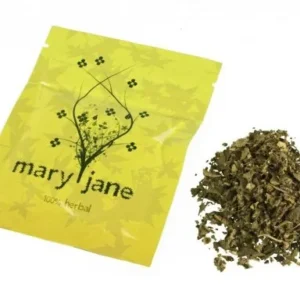
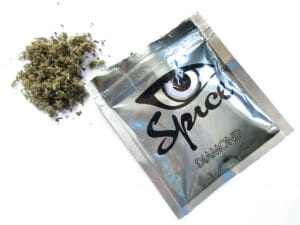
Online listings may describe these liquids as herbal incense spray, synthetic spray, or other non-consumer-use products. Some sellers use labels such as “not for human consumption,” while other descriptions refer to novelty or research purposes.
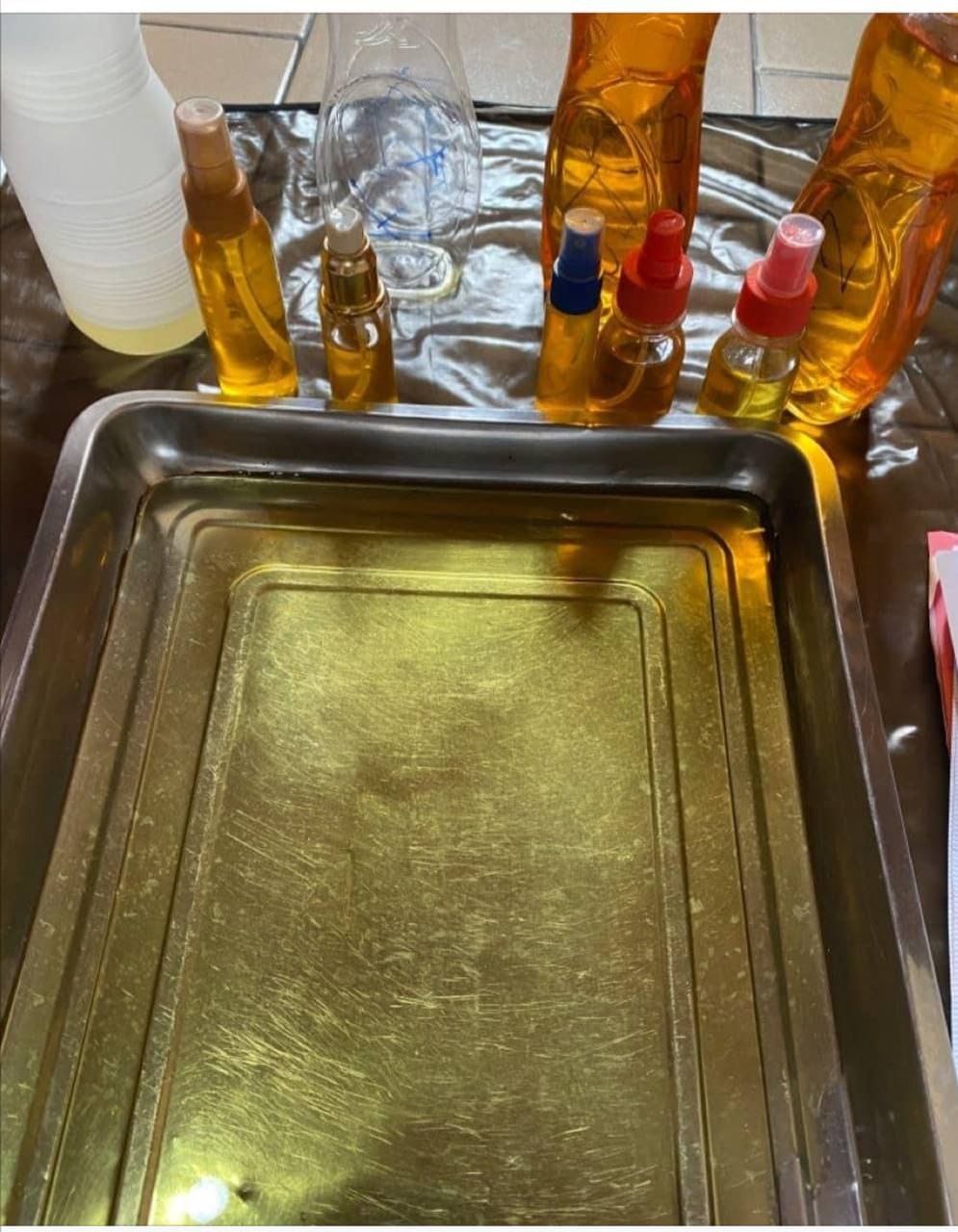
A K2 spray bottle is a common search phrase associated with the packaging of these liquids. Similarly, the term K2 spray on paper appears in discussions of synthetic cannabinoid products applied to paper. These phrases describe how products are marketed or discussed; they do not establish their ingredients, safety, or legality.
Packaging and labels alone cannot confirm whether a product contains synthetic cannabinoids. Consumers should be cautious about relying on vague descriptions or unsupported claims.
What Are the Claimed Uses of K2 Spray?
The claimed uses of K2 spray vary across online listings, but many descriptions involve synthetic cannabinoid products rather than legitimate household, medical, or aromatherapy applications.
Common claims and terms include:
- Herbal incense products: Some listings use incense-related terminology to describe products that may contain synthetic cannabinoids.
- Paper-associated products: The phrase “K2 spray on paper” is used to describe paper reportedly treated with synthetic cannabinoid solutions.
- Research or novelty products: Some vendors use these descriptions alongside disclaimers that do not establish product safety.
- Custom herbal blends: Certain listings refer to synthetic liquids in connection with herbal mixtures, without providing reliable information about their contents or effects.
These descriptions should not be mistaken for approved medical uses or evidence of safety. Products containing synthetic cannabinoids can cause serious adverse effects, and there is no reliable way to establish their safety from marketing language alone.
Why the “Herbal Incense” Label Can Be Misleading
The term “herbal incense” can refer to legitimate fragrance products, but it has also been used to market synthetic cannabinoid products. The distinction matters because products with similar packaging or wording may have entirely different ingredients and intended purposes.
A fragrance label, novelty disclaimer, or statement that a product is not intended for human consumption does not verify its composition. Buyers should avoid assuming that a product is safe simply because its packaging resembles that of an ordinary household fragrance product.
For more information about the terminology used on this website, visit the K2 Spice homepage and review product descriptions carefully rather than relying on names alone.
Health and Safety Concerns Associated With K2 Spray
One of the biggest concerns surrounding synthetic cannabinoids is the unpredictability of their effects. The chemicals involved may differ between products, and the amount present in a particular sample may be inconsistent.
Reported adverse effects include:
- Rapid heartbeat and elevated blood pressure
- Severe anxiety, agitation, or confusion
- Nausea and vomiting
- Hallucinations or other serious changes in perception
- Seizures and other life-threatening complications
Some exposures have also been associated with acute kidney injury and other serious medical problems. The risk cannot be reliably assessed from a product’s appearance, label, or advertised strength.
If someone develops severe symptoms after suspected exposure, call emergency services. In the United States, Poison Help is available at 1-800-222-1222.
Is K2 Spray Legal in the United States?
The legal status of K2 spray depends on its actual chemical contents and the applicable federal, state, and local laws. Many synthetic cannabinoids are controlled under U.S. law, and state laws may cover additional substances or chemically related compounds.
A seller’s statement that a product is legal does not establish that it complies with the law. Names such as “herbal incense” and “research product” do not automatically exempt a substance from applicable restrictions.
Anyone researching a particular product should consult current official legal sources rather than relying exclusively on an online listing.
How to Evaluate Claims About Synthetic Spray Products
When reviewing claims about K2 spray or related products, consider the following questions:
- Are the ingredients clearly identified? Vague descriptions make it difficult to establish what a product contains.
- Are safety claims independently supported? Promotional language is not a substitute for reliable evidence.
- Does the product have credible testing documentation? A label alone does not verify purity, concentration, or safety.
- Are legal claims current and specific? Laws may differ by jurisdiction and change over time.
- Does the description imply effects without explaining the risks? Treat unsupported promises about effects or safety with caution.
No single label or document can guarantee that an unregulated synthetic cannabinoid product is safe.
Safer Sources of Information and Support
People looking for information about cannabis-related substances should consult reputable public health organizations and understand the difference between regulated products and unregulated synthetic cannabinoid mixtures.
Useful resources include the National Institute on Drug Abuse, the Centers for Disease Control and Prevention, the U.S. Drug Enforcement Administration, and the Substance Abuse and Mental Health Services Administration.
If you are concerned about your own use or someone else’s exposure to synthetic cannabinoids, a qualified healthcare professional can provide appropriate guidance. Severe symptoms require immediate medical attention.
Frequently Asked Questions
What are the uses of K2 spray?
K2 spray is marketed under various labels, including synthetic spray and herbal incense spray. Some descriptions associate it with plant material or paper, but these claims do not establish a legitimate medical or household use. Products containing synthetic cannabinoids can cause serious and unpredictable effects.
Is K2 spray legal to buy in the United States?
It depends on the substance’s chemical composition and the laws that apply in the relevant jurisdiction. Many synthetic cannabinoids are controlled, and marketing claims do not prove legality.
What does K2 spray on paper mean?
The phrase generally refers to paper reportedly treated with a liquid containing synthetic cannabinoids. The chemical composition and concentration may be unknown, creating significant health risks.
Is herbal incense spray the same as K2 spray?
Not necessarily. Some products marketed as herbal incense may contain synthetic cannabinoids, while genuine incense products may contain fragrance ingredients. The name alone cannot confirm a product’s contents.
Can K2 spray be used for aromatherapy?
Products containing synthetic cannabinoids should not be considered aromatherapy products. Genuine fragrance and aromatherapy products use different ingredients, and misleading labels do not establish suitability for inhalation or other exposure.
Why are the effects of K2 spray unpredictable?
Synthetic cannabinoid products may contain different chemicals and inconsistent concentrations. This variation makes their effects difficult to predict and can increase the risk of serious adverse reactions.
What should someone do if they experience a bad reaction?
Seek immediate medical assistance for severe symptoms such as seizures, difficulty breathing, loss of consciousness, or extreme confusion. In the United States, call 911 for emergencies or Poison Help at 1-800-222-1222.
Final Thoughts
Understanding what are the uses of K2 spray requires looking beyond the names and descriptions used in online listings. Although some vendors associate these products with herbal incense, paper, or research purposes, those labels do not verify their ingredients, safety, or legal status.
For additional background on synthetic spray terminology and related product categories, visit K2Spice.co. Always prioritize credible health information, verified product details, and applicable laws when researching synthetic cannabinoid products.