No. Delta-9 THC (delta-9-tetrahydrocannabinol) is not a synthetic cannabinoid. It is a naturally occurring cannabinoid produced by cannabis plants and is the primary psychoactive compound responsible for the characteristic intoxicating effects of cannabis.
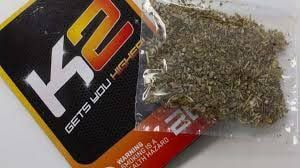
The term synthetic cannabinoid generally refers to man-made chemicals created in laboratories to interact with the body’s cannabinoid receptors, particularly CB1 receptors. Examples include compounds historically marketed under names such as K2, Spice, and synthetic marijuana. These chemicals can have substantially different effects and risks from naturally occurring THC.
There is one potential source of confusion: Delta-9 THC can also be manufactured or synthesized in a laboratory, but that does not make the molecule itself a “synthetic cannabinoid” in the same sense as K2 or Spice. The classification depends on the compound and context, not simply on whether a particular batch was produced synthetically.
If you’ve spent any time browsing hemp shops or CBD websites, you’ve probably run into “Delta-9” gummies, oils, and drinks sitting right next to CBD products. And you may have also seen warnings about “synthetic cannabinoids” like Spice or K2. Naturally, the question comes up: is Delta-9 THC one of these synthetic compounds, or is it something else entirely?
The short answer: Delta-9 THC is a naturally occurring cannabinoid, not a synthetic one. But the full story is a little more nuanced, especially once you look at how most hemp-derived Delta-9 products are actually made — and at a regulatory change taking effect in late 2026 that specifically targets that gray area.
What Delta-9 THC Actually Is
Delta-9 THC (short for delta-9-tetrahydrocannabinol) is the primary psychoactive compound in the cannabis plant — it’s what produces the “high” associated with marijuana. It’s one of over 100 cannabinoids the plant produces naturally, alongside others like CBD and CBG. Scientists isolated and identified it in the mid-20th century, but the compound itself has been part of the cannabis plant for as long as the plant has existed.
Chemically, Delta-9 THC has a distinctive structure (C₂₁H₃₀O₂) with a double bond at the ninth carbon position — hence the name. That structure is what allows it to bind tightly to CB1 receptors in the brain, producing its psychoactive effects.
What “Synthetic Cannabinoid” Actually Means
This is where a lot of confusion starts. In drug policy and toxicology, “synthetic cannabinoids” usually refers to lab-designed compounds that were never found in nature at all. They’re built from scratch to activate the same brain receptors as THC, but they aren’t copies of natural cannabinoids — they’re entirely new molecules. The infamous street drugs “Spice” and “K2” fall into this category, and they’re notorious for being far more potent and unpredictable than natural THC, sending people to emergency rooms with severe reactions.
There’s also a smaller category of pharmaceutical synthetic cannabinoids, like dronabinol (Marinol) and nabilone (Cesamet), which are lab-made but medically regulated and prescribed for things like chemotherapy-related nausea.
Delta-9 THC doesn’t fit either of these categories. It’s not a novel lab-designed molecule, and it’s not one of the pharmaceutical analogs — it’s the same molecule the cannabis plant produces on its own.
So Where Does the Confusion Come From?
The mix-up usually comes from how Delta-9 THC ends up in hemp products. Here’s the key distinction:
- Marijuana-derived Delta-9 THC comes straight from the plant through extraction methods like CO2 extraction. Nothing gets chemically altered — it’s simply pulled out of the plant material.
- Hemp-derived Delta-9 THC, which is what you’ll find in most gummies and drinks sold outside licensed dispensaries, is a different story. Hemp naturally contains only trace amounts of Delta-9 THC (by legal definition, hemp must stay under 0.3% Delta-9 THC by dry weight). To get meaningful amounts for consumer products, manufacturers typically start with CBD — which hemp produces in abundance — and chemically convert it into Delta-9 THC.
That conversion process is a real chemical reaction, not simple extraction. The resulting THC molecule is structurally identical to naturally occurring Delta-9 THC, but because it was manufactured through a lab process rather than pulled directly from the plant, some people describe it as “semi-synthetic.” It’s natural in the sense that the end molecule is one the plant already makes — but synthetic in the sense of how it got there. Conversion processes can also leave behind byproducts that don’t occur naturally, which is part of why product testing and sourcing transparency matter if you’re buying these products.
A Regulatory Shift Worth Knowing About
This distinction isn’t just academic anymore. A regulatory change scheduled to take effect November 12, 2026 specifically targets hemp products containing cannabinoids that either aren’t capable of being naturally produced by the cannabis plant, or that were synthesized outside the plant even if the starting material was legal hemp. In other words, regulators are drawing a harder line around exactly the CBD-to-Delta-9 conversion process described above. If you buy hemp-derived Delta-9 products, it’s worth keeping an eye on how this shakes out, since it could affect what’s legally available and how it’s labeled.
The Bottom Line
- Delta- THC itself is a naturally occurring plant compound — not a designer drug like Spice or K2.
- Marijuana-derived Delta-9 THC is extracted directly from the plant with no chemical conversion.
- Most hemp-derived Delta-9 products on the market are made by converting CBD into THC through a lab process — technically “semi-synthetic,” even though the final molecule is identical to what the plant produces naturally.
- New rules taking effect in November 2026 are narrowing what counts as legal hemp product, with lab-converted cannabinoids specifically in the crosshairs.
If you’re shopping for Delta products, the practical takeaway is to look for brands that disclose their sourcing and provide third-party lab testing, so you know whether you’re getting plant-extracted or lab-converted THC — and to keep an eye on the regulatory landscape, since it’s actively shifting.