K2 herbal incense is a term commonly associated with products marketed as herbal incense or potpourri but linked to synthetic cannabinoids, laboratory-made chemicals that can affect the brain and nervous system. Although packaging may feature colorful designs, botanical imagery, and disclaimers stating “not for human consumption,” these labels do not establish what a product contains or whether it is safe.
Products associated with names such as K2 and Spice have been linked to serious health emergencies, including seizures, severe confusion, cardiovascular complications, and deaths. Their composition can vary significantly, making their effects difficult to predict.
Understanding what K2 herbal incense actually means, how it differs from traditional incense, and why synthetic cannabinoids are dangerous can help families, educators, healthcare professionals, and communities respond to the risks more effectively.
This guide examines the terminology, history, chemical composition, health consequences, legal considerations, and prevention strategies associated with K2 herbal incense. It also explains why product labels and appearances should never be treated as reliable indicators of safety.
What Are K2 Herbal Incense Products?
K2 herbal incense is a term used for products associated with synthetic cannabinoids. These products have historically been sold in small packets containing dried plant material, sometimes marketed under names such as K2, Spice, and other brand-style labels.
The term “herbal incense” can create the impression that a product contains only natural botanical ingredients intended to provide fragrance. However, some products sold under this description have contained synthetic cannabinoids that are responsible for their psychoactive effects.
Synthetic cannabinoids are manufactured chemicals that interact with cannabinoid receptors in the body. Their effects can differ considerably from those of THC, the primary intoxicating compound in cannabis. Some synthetic cannabinoids can cause severe and unpredictable reactions, even when a person has previously used a similar product without an obvious emergency.
It is important to distinguish the general term from a verified ingredient list. Not every item labeled herbal incense has the same composition, and the name alone cannot confirm that a particular product contains synthetic cannabinoids.
For that reason, K2 herbal incense should be understood as a product category associated with significant health concerns rather than a standardized botanical preparation.
1. Why Is the Name “Herbal Incense” Misleading?
Traditional incense is generally manufactured to release fragrance when used according to its instructions. Potpourri typically consists of aromatic plant materials intended to scent a room. Products associated with synthetic cannabinoids are different because their effects may come from chemicals added to the plant material rather than from the plants themselves.
The word “herbal” describes a connection with plants, but it does not establish a product’s complete chemical composition. Similarly, a statement such as “not for human consumption” does not prove that a product is harmless or that it contains only fragrance ingredients.
Packaging may include botanical illustrations, bright colors, unusual product names, and descriptions suggesting a decorative or aromatic purpose. None of these characteristics can establish the presence or absence of dangerous chemicals.
Consumers should therefore avoid judging a substance by its branding. Ingredient information, reliable testing, and appropriate safety documentation are more meaningful than marketing language, although even these should be assessed carefully.
2. What Is Inside K2 Herbal Incense?
The composition of products associated with K2 herbal incense has varied across manufacturers, brands, and periods. Some products have contained dried plant material treated with synthetic cannabinoids, while the precise chemicals and concentrations have differed.
Plant material and botanical ingredients
Plant material can provide a physical base for a product marketed as herbal incense. Various dried leaves and other botanical substances have appeared in products of this general type.
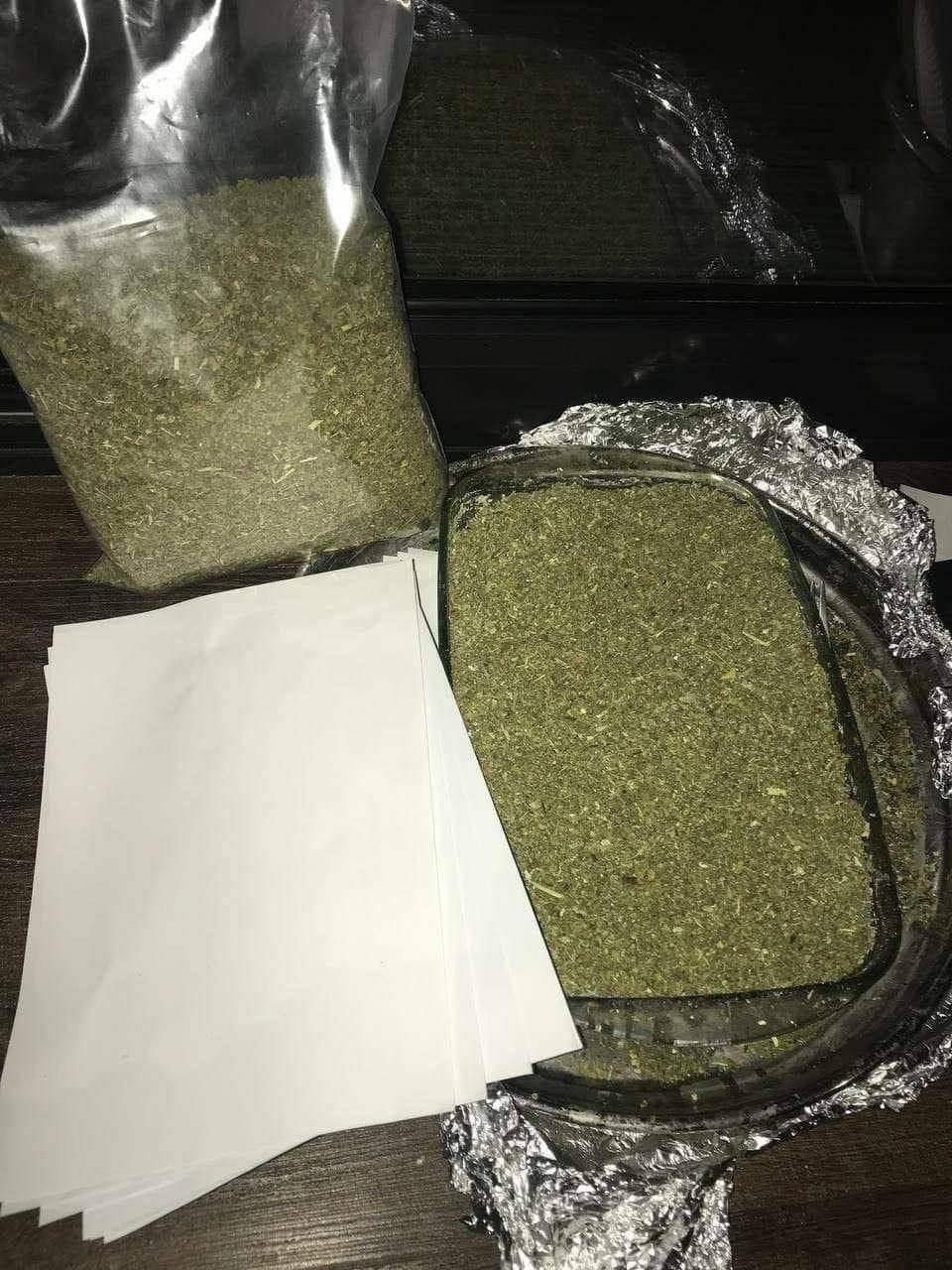
However, identifying a plant does not establish the safety of the complete product. A sample may contain additional chemicals that cannot be identified by examining the leaves, color, or texture.
Even if a product contains recognizable herbs, those ingredients do not rule out contamination or the addition of psychoactive substances.
Synthetic cannabinoid compounds
Synthetic cannabinoids are laboratory-made substances that interact with cannabinoid receptors. They are not one single chemical but a broad and changing group of compounds.
Different substances in this group can produce different effects, and some have substantially greater potency or toxicity than THC. The effects of a particular product may depend on the compound involved, its concentration, the amount of exposure, and individual health factors.
Products with similar packaging or names should not be assumed to contain identical ingredients. Without appropriate analysis, it may be impossible to know which chemicals are present in an unknown sample.
Why composition matters
Uncertainty about composition is a central concern associated with K2 herbal incense. A product name cannot tell a person the exact chemicals present, their concentration, or the likelihood of a serious reaction.
This uncertainty makes informal comparisons between products unreliable. It also means that previous experience with one product cannot guarantee a similar response to another.
3. How Did K2 and Spice Become Known?
The modern synthetic cannabinoid market emerged in the 2000s, when products associated with names such as Spice began appearing in parts of Europe. Similar products subsequently became available in the United States and other regions.
Some early synthetic cannabinoids had been developed in legitimate scientific research to investigate the body’s endocannabinoid system. Research compounds were not necessarily evaluated or approved for recreational use, and their appearance in consumer products did not establish their safety.
As synthetic cannabinoid products became more widely known, health professionals and public-health authorities began reporting serious adverse reactions. Governments responded by restricting particular compounds and, in some jurisdictions, introducing broader rules covering groups of related substances.
The market has continued to change as new compounds have appeared. This has created challenges for laboratories, medical professionals, regulators, and public-health agencies trying to identify substances and understand their effects.
The history illustrates an important distinction: a chemical’s existence in scientific literature does not mean that it has been demonstrated safe for human consumption.
4. Why Can K2 Herbal Incense Be Dangerous?
The principal concern is that synthetic cannabinoids can produce unpredictable and sometimes severe effects on the brain, heart, and other parts of the body.
Unlike a standardized medicine, an illicit or unverified product may not have a reliable ingredient list or consistent concentration. Different batches can contain different chemicals, and the same product name does not guarantee a consistent formulation.
Unpredictable potency
Some synthetic cannabinoids act strongly on cannabinoid receptors and can produce intense effects at relatively small exposures. The relationship between exposure and the severity of symptoms may be difficult to predict.
A person may experience a severe reaction even if they have previously encountered a product with a similar name. Familiarity with one formulation does not establish safety with another.
Uncertain chemical composition
A label may not accurately identify every substance present in a product. New or uncommon synthetic cannabinoids may also be difficult to identify quickly without appropriate laboratory methods.
When the substance is unknown, medical professionals may have to assess symptoms and provide supportive treatment without immediately knowing the exact chemical involved.
Possible uneven distribution
In products made with treated plant material, the distribution of a chemical may not be uniform. Consequently, different portions of a sample may not contain the same concentration.
This uncertainty is another reason that appearance, weight, or previous experience cannot reliably predict the effects of an unknown product.
5. What Are the Health Effects of Synthetic Cannabinoids?
The health effects associated with synthetic cannabinoids vary depending on the compound, amount of exposure, individual circumstances, and whether other substances are involved.
Reported effects can include:
- Anxiety, panic, or extreme agitation
- Confusion, disorientation, or unusual behavior
- Paranoia and hallucinations
- Nausea and vomiting
- Rapid heartbeat and elevated blood pressure
- Chest pain or abnormal heart rhythms
- Tremors and seizures
- Loss of consciousness or coma
Severe cases have also been associated with acute kidney injury and other serious complications. Some people require emergency treatment or hospitalization, and fatal outcomes have been documented.
These possible effects should not be interpreted as a prediction that every exposed person will experience every symptom. Rather, they demonstrate why unknown products associated with synthetic cannabinoids pose a significant safety concern.
Mental and psychological effects
Some synthetic cannabinoids can trigger severe anxiety, paranoia, or psychosis-like symptoms. Affected individuals may become extremely confused or have difficulty distinguishing what is real.
In some cases, psychiatric symptoms may continue after the immediate intoxication has subsided. People experiencing these symptoms need appropriate medical assessment rather than judgment or punishment alone.
Cardiovascular and neurological effects
Synthetic cannabinoid exposure has been associated with rapid heartbeat, dangerous heart rhythms, seizures, and other serious neurological or cardiovascular events.
A person who develops chest pain, difficulty breathing, a seizure, severe confusion, or loss of consciousness after suspected exposure needs urgent medical attention.
Why prompt medical care matters
There is no reliable way to assess the seriousness of an unknown exposure based only on a product’s appearance or name. If severe symptoms occur, contact local emergency services immediately.
Where possible, tell medical professionals that exposure to a suspected synthetic cannabinoid is possible. Do not delay emergency care while trying to identify the exact substance.
6. Who May Be at Risk?
Synthetic cannabinoid products have been encountered in a variety of settings and among different population groups. Risk is not limited to one age group, occupation, or community.
Young people
Young people may encounter misleading product descriptions online or through social networks. They may not realize that products described as herbal or incense-related can be associated with powerful synthetic chemicals.
Clear, factual education can help young people understand that a product’s name and packaging do not establish its ingredients or safety.
People experiencing homelessness
Public-health reports have documented synthetic cannabinoid use among some people experiencing homelessness. Substance use in these circumstances may intersect with mental-health challenges, limited access to healthcare, housing insecurity, and other social pressures.
Effective responses should include access to medical care, mental-health services, housing support, and evidence-based substance-use treatment.
People in correctional settings
Synthetic cannabinoids have presented serious safety and security challenges in some correctional facilities. Reports have described intoxication events and medical emergencies involving suspected synthetic cannabinoid exposure.
Facilities need appropriate medical response procedures, staff training, and evidence-based prevention measures. Because symptoms can be severe and difficult to predict, suspected exposure should be taken seriously.
Families and caregivers
Parents, caregivers, and other family members may be concerned after discovering unfamiliar packets or noticing sudden behavioral changes. An unfamiliar package alone does not prove that someone has used a particular substance.
Approach concerns calmly, avoid unsupported assumptions, and seek professional help if there are signs of intoxication or a possible medical emergency.
7. Can You Identify K2 Herbal Incense by Its Packaging?
No. Packaging is not a reliable way to confirm whether a product contains synthetic cannabinoids.
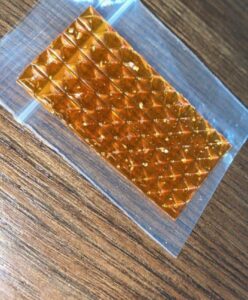
Products associated with K2 or Spice have been sold under different names and designs. A packet may feature bright colors, plant imagery, or a disclaimer about intended use, but none of these details establishes the actual chemical contents.
Likewise, an unfamiliar smell, unusual color, or visible residue is not proof of synthetic cannabinoid contamination. Many substances can produce similar visual or sensory characteristics.
If a substance is suspected to be hazardous:
- Avoid unnecessary handling.
- Do not taste, burn, or deliberately inhale it to identify its contents.
- Keep other people away from the suspected material.
- Follow relevant workplace, facility, or local safety procedures.
- Seek professional advice about appropriate assessment and handling.
Specialized laboratory analysis may be needed to identify particular chemicals. Home inspection is not a dependable substitute.
8. Are K2 and Spice Legal?
The legal status of synthetic cannabinoids depends on the country and jurisdiction. Some places prohibit particular compounds, while others use broader legal categories that may cover related substances.
The rules can change as new chemicals emerge. Consequently, a product that was once openly sold may later become subject to restrictions, and a familiar product name may not reveal its current legal status.
The United States, for example, has introduced federal restrictions on specified synthetic cannabinoids and has other legal mechanisms that may apply to related substances. Other countries have adopted their own approaches, including controls that cover broader groups of psychoactive substances.
Legal questions should be checked against current official government information or advice from a qualified legal professional in the relevant jurisdiction. Product descriptions and statements from sellers should not be treated as definitive legal guidance.
For additional information about the website’s content, product information, and legal notices, read the K2Spice.co Disclaimer.
9. How Can Families and Communities Respond?
A useful response to K2 herbal incense concerns combines accurate education, appropriate medical care, prevention, and access to support services.
Provide clear and factual education
People need to understand that synthetic cannabinoids are not the same as ordinary fragrance ingredients and that “herbal” does not necessarily mean natural or safe.
Educational information should explain the uncertainty around ingredients, the possibility of severe adverse effects, and the importance of seeking medical attention when serious symptoms appear.
Exaggerated claims can undermine trust. Clear explanations grounded in credible health information are more useful than fear-based messages or unsupported statistics.
Recognize possible warning signs
Sudden severe confusion, extreme agitation, hallucinations, seizures, chest pain, or loss of consciousness may indicate a medical emergency. These symptoms can have many causes, so they should not automatically be attributed to K2.
When serious symptoms occur, contact emergency services and explain the observed symptoms and any suspected exposure.
Encourage supportive conversations
If you are concerned that someone may be using synthetic cannabinoids, a calm and nonjudgmental conversation can be more productive than accusations.
Focus on specific observations, health concerns, and available support. If substance use is confirmed or suspected, a qualified healthcare professional can help assess the person’s needs and discuss appropriate treatment options.
Improve access to treatment
People experiencing problematic substance use may benefit from medical assessment, behavioral-health support, and treatment for co-occurring mental-health conditions.
Responses that reduce stigma and make care easier to access can help people seek assistance earlier.
K2 Herbal Incense vs. Traditional Incense
Traditional incense is generally designed to provide fragrance, while products associated with K2 and Spice have been linked to synthetic cannabinoids and serious health risks.
The distinction is important because similar words on packaging do not establish that two products have the same ingredients or intended effects.
When choosing a household fragrance product, review its label, follow the manufacturer’s safety instructions, and use it only for its intended purpose. Avoid assuming that a product is safe simply because it is described as herbal, botanical, or aromatic.
If you are researching the website and its available categories, you can visit K2Spice.co. For information about the website and its background, see the About Us page. These pages are website resources, not substitutes for independent medical or legal advice.
Frequently Asked Questions About K2 Herbal Incense
What are K2 herbal incense products?
K2 herbal incense is a term associated with products marketed as incense or potpourri that have sometimes contained synthetic cannabinoids. The exact composition varies, and a product name alone cannot confirm its ingredients.
Are K2 and Spice the same thing?
K2 and Spice are commonly used names associated with synthetic cannabinoid products. They are not single, standardized chemical formulations, so products sold under these names may contain different substances.
Does herbal incense always contain synthetic cannabinoids?
No. The term “herbal incense” can describe different types of products. However, some products sold under this description have contained synthetic cannabinoids, so labels alone should not be treated as proof of composition.
Is K2 herbal incense safe because it contains plant material?
No. The presence of plant material does not establish the safety of the complete product. Synthetic chemicals or other substances may be present, and the contents may be uncertain.
What symptoms can synthetic cannabinoids cause?
Possible symptoms include anxiety, confusion, paranoia, hallucinations, vomiting, rapid heartbeat, seizures, and loss of consciousness. Serious symptoms require prompt medical attention.
Can you tell whether a packet contains K2 by looking at it?
No. Packaging, color, smell, and texture cannot reliably confirm the presence or absence of synthetic cannabinoids. Specialized testing may be needed to identify particular compounds.
Are synthetic cannabinoids the same as THC?
No. Synthetic cannabinoids are laboratory-made substances that interact with cannabinoid receptors. Their effects and risks can differ significantly from those of THC.
Are K2 and Spice illegal?
The legal status depends on the jurisdiction and the specific substances involved. Consult current official legal information for the relevant location.
What should I do if someone becomes seriously ill after suspected exposure?
Contact local emergency services immediately if the person has difficulty breathing, chest pain, a seizure, severe confusion, or loss of consciousness. Explain that exposure to an unknown substance may have occurred.
Conclusion
K2 herbal incense is a term associated with products marketed as incense that have sometimes contained synthetic cannabinoids. Despite the botanical language used in some marketing, the name does not establish a product’s chemical composition or safety.
Synthetic cannabinoids have been linked to serious health consequences, and their effects can be unpredictable. Recognizing the limitations of product labels, understanding possible warning signs, and seeking qualified medical advice when exposure is suspected are important steps toward reducing harm.
For further website information, visit the K2Spice.co About Us page and review the site Disclaimer. For health concerns involving synthetic cannabinoids, rely on qualified medical professionals and credible public-health resources.