Introduction
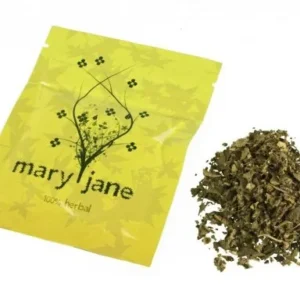
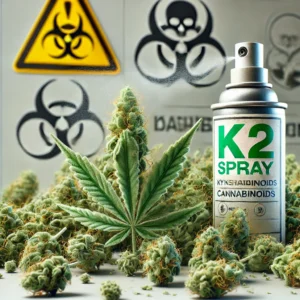
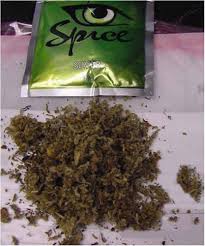
Walk into a gas station, a tobacco shop, or browse certain corners of the internet, and you might still come across small, colorful packets labeled with names like “Spice,” “K2,” “Black Mamba,” “Joker,” or “Scooby Snax.” The packaging often looks playful, even harmless — bright graphics, friendly fonts, sometimes even cartoon characters. The products inside are marketed as “herbal incense,” “potpourri,” or “aromatherapy blends,” with the words “not for human consumption” printed somewhere in small type.
Do not be deceived by any of it.
What is commonly sold under the umbrella term “synthetic herbal incense” is one of the most dangerous and unpredictable categories of psychoactive substances in existence today. Every year, thousands of people — many of them teenagers and young adults — end up in emergency rooms, psychiatric facilities, and intensive care units after consuming these products. Some do not survive.
This educational blog post is designed to pull back the curtain on what synthetic herbal incense actually is: what it contains, how it works in the body, why it is so much more dangerous than people assume, who is most at risk, and what communities, families, and individuals can do to protect themselves. Knowledge is one of the most powerful tools in harm prevention, and on this topic, the more people understand, the safer they will be.
Part One: What Is Synthetic Herbal Incense?
The term “synthetic herbal incense” is fundamentally misleading. While these products typically do contain plant material — dried herbs, leaves, or other botanical matter — the plant material itself is not what produces the psychoactive effects. It is simply a carrier medium.
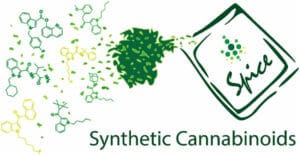
What makes these products psychoactive is a class of man-made chemicals known as synthetic cannabinoids. These are laboratory-synthesized compounds designed to interact with the same receptors in the brain that THC (the active compound in cannabis) interacts with. They are sprayed, dissolved, or otherwise applied onto the plant material, which is then packaged and sold.
The name “synthetic cannabinoid” is somewhat misleading in itself. These chemicals are not derived from cannabis. They are not a form of cannabis. They do not have the same safety profile as cannabis. The only meaningful thing they share with THC is that they target some of the same receptor systems in the brain — and they do so with a ferocity and unpredictability that THC does not.
A Brief History
Synthetic cannabinoids were first developed in legitimate academic research settings, most notably by Dr. John W. Huffman at Clemson University in the 1990s. His research goal was to create tools for studying the endocannabinoid system — the network of receptors and signaling molecules in the human body that regulates mood, appetite, pain, memory, and numerous other functions. These research chemicals were never intended for human recreational use.
The compounds, which came to be known by names beginning with “JWH” (Huffman’s initials), were eventually discovered by underground chemists and illicit manufacturers who recognized their potential as legal alternatives to cannabis. By the mid-2000s, products containing synthetic cannabinoids were being sold openly in Europe and the United States under the “herbal incense” branding, deliberately packaged to appear innocuous and avoid immediate legal scrutiny.
By 2009 and 2010, emergency rooms in the United States were already seeing alarming numbers of cases linked to synthetic cannabinoid products. Regulatory agencies scrambled to respond, but faced a persistent challenge: the chemical formulas of these substances were being modified faster than laws could be written to ban them.
The “Legal High” Illusion
One of the most dangerous aspects of synthetic herbal incense is its historical marketing as a “legal high” — a substance that produces intoxicating effects while technically remaining outside the scope of existing drug laws. This marketing was deeply irresponsible and deliberately exploited the gap between regulatory frameworks and rapidly evolving chemical synthesis.
In the United States, the Synthetic Drug Abuse Prevention Act of 2012 placed many synthetic cannabinoids into Schedule I of the Controlled Substances Act. The Federal Analogue Act also provides a legal mechanism to prosecute substances that are chemically similar to already-scheduled drugs. Most other developed nations have taken similar steps.
However, enforcement remains a significant challenge. Illicit manufacturers simply alter the molecular structure of their compounds slightly — creating new, technically “unscheduled” chemicals — and continue production. This chemical shell game has produced hundreds of distinct synthetic cannabinoid compounds, the vast majority of which have never been tested in humans and whose safety profiles are entirely unknown.
The legal status of any given synthetic cannabinoid formulation at any given moment may be technically ambiguous, but this does not make these substances safe. It makes them more dangerous, because consumers have no way of knowing exactly what chemical they are ingesting, in what quantity, or what its effects will be.
Part Two: What Do These Products Actually Contain?
This is where the picture becomes genuinely alarming for anyone who examines it closely.
The Plant Material Is Irrelevant
The herbs, leaves, and botanical material in synthetic herbal incense products serve no pharmacological purpose. They may include damiana, marshmallow leaf, catnip, mullein, or any number of other legal plants. None of these plants are the source of the psychoactive effect. They are simply substrates — inert carriers onto which the active synthetic chemicals are applied.
Hundreds of Compounds, Constantly Changing
Law enforcement agencies, toxicologists, and public health researchers have identified hundreds of distinct synthetic cannabinoid compounds in products seized from the market over the past two decades. These include but are not limited to compounds from the JWH family, the AM family, the UR-144 family, AB-PINACA, AB-FUBINACA, MDMB-CHMICA, and many others.
Each of these compounds has its own unique pharmacological profile. Some are more potent than others. Some have longer durations of action. Some have metabolites — breakdown products created as the body processes the substance — that are themselves biologically active and potentially harmful. The vast majority have never been studied in clinical settings and their effects on human physiology are largely unknown before they appear in emergency rooms.
Because manufacturers regularly change the formulations of their products in response to legal pressures, the exact compound in any given package is unpredictable. A consumer who used a particular brand last month has no reliable way of knowing whether the product they purchase today contains the same compound, a different compound, or a mixture of several compounds. This chemical variability is a direct and severe threat to anyone who consumes these products.
Inconsistent Dosing: A Hidden Danger
One of the most serious and underappreciated dangers of synthetic herbal incense is the profound inconsistency in how the active chemicals are distributed throughout the plant material. When synthetic cannabinoids are applied to herbal substrate in manufacturing, the distribution is often highly uneven — some portions of the product may contain little to no active compound, while others may contain dangerously concentrated “hot spots.”
This means that even a consumer who has used a product multiple times without serious incident can suddenly encounter a dose orders of magnitude larger than what they experienced previously — from the same package, on the same day. This dosing unpredictability has been directly linked to severe adverse events and overdoses in individuals who had no warning that they were consuming more than intended.
Part Three: How Synthetic Cannabinoids Affect the Body and Brain
To understand why synthetic herbal incense is so dangerous, it is essential to understand how synthetic cannabinoids differ from natural THC at a biological level — and why those differences are so consequential.
The Endocannabinoid System
The human body contains a complex signaling network called the endocannabinoid system (ECS). This system plays a role in regulating mood, memory, appetite, pain sensation, immune function, sleep, and many other physiological processes. The ECS functions through two primary receptor types: CB1 receptors (found primarily in the brain and central nervous system) and CB2 receptors (found primarily in immune tissues).
THC, the primary psychoactive compound in natural cannabis, binds to CB1 receptors and produces its characteristic effects — euphoria, relaxation, altered perception of time, increased appetite, and so on. Critically, THC is what pharmacologists call a partial agonist of the CB1 receptor. This means it activates the receptor but does so incompletely, leaving a margin of safety built into its mechanism of action. It is one reason why, despite cannabis carrying its own set of risks, fatal overdose from THC alone is extraordinarily rare.
Why Synthetic Cannabinoids Are Far More Dangerous
Synthetic cannabinoids, by contrast, are typically full agonists of the CB1 receptor — and many are dramatically more potent than THC. Where THC gently activates the receptor at a fraction of its maximum capacity, synthetic cannabinoids slam it to full activation. This difference in receptor engagement translates directly into dramatically more intense, less predictable, and more dangerous effects.
Furthermore, the potency of many synthetic cannabinoids is not just somewhat greater than THC — it can be many times greater. Some synthetic cannabinoid compounds have been measured at 100 times, 200 times, or even greater potency than THC at the receptor level. This means that microgram-level differences in dose — amounts invisible to the naked eye — can be the difference between intoxication and life-threatening toxicity.
Effects on the Brain and Body
The acute effects of synthetic cannabinoid consumption vary significantly between compounds and individuals, but documented effects include:
Psychological Effects:
- Intense anxiety, panic attacks, and paranoia
- Hallucinations and psychosis, including auditory and visual disturbances
- Severe agitation and aggressive behavior
- Confusion, disorientation, and inability to communicate coherently
- Dissociation — a disturbing sense of detachment from one’s body or reality
- Suicidal ideation in some cases
Cardiovascular Effects:
- Rapid heart rate (tachycardia), sometimes reaching dangerous levels
- Dangerous heart rhythm abnormalities (arrhythmias)
- Severe hypertension (high blood pressure)
- Chest pain and, in some documented cases, heart attacks — even in young, otherwise healthy individuals
Neurological Effects:
- Seizures, including in individuals with no prior history of seizure disorders
- Loss of consciousness
- Stroke, in documented cases
Respiratory Effects:
- Difficulty breathing
- Respiratory depression in severe cases
Renal (Kidney) Effects:
- Acute kidney injury has been documented in clusters of synthetic cannabinoid users, sometimes requiring dialysis. The mechanism is not fully understood, suggesting that some synthetic cannabinoid compounds — or contaminants in the manufacturing process — have direct toxic effects on kidney tissue beyond their action on cannabinoid receptors.
Gastrointestinal Effects:
- Severe nausea and vomiting
- Abdominal pain
The Risk of Dependence and Withdrawal
A persistent and dangerous myth about synthetic cannabinoids is that they are not addictive. This is false. Regular users can develop both psychological and physical dependence on these substances. Withdrawal symptoms — which can include severe anxiety, insomnia, irritability, nausea, sweating, tremors, and intense cravings — have been documented and can be severe enough to require medical management.
The addiction potential of synthetic cannabinoids is, in many cases, significantly greater than that of natural cannabis. The intensity of the initial high, combined with the complete receptor activation that synthetic cannabinoids produce, creates a reinforcement pattern in the brain that can rapidly escalate into compulsive use.
Part Four: The Public Health Impact
The scale of harm caused by synthetic herbal incense products represents a genuine and ongoing public health crisis in multiple countries.
Emergency Department Data
In the United States, synthetic cannabinoid products have driven tens of thousands of emergency department visits over the past fifteen years. The American Association of Poison Control Centers has recorded yearly spikes in calls related to synthetic cannabinoid exposure, with some years seeing dramatic surges driven by new compounds entering the market. Similar patterns have been documented in the United Kingdom, Australia, Germany, Poland, New Zealand, and many other nations.
Emergency presentations typically involve acute psychosis, cardiovascular distress, seizures, or altered consciousness. The clinical management of these cases is complicated by the fact that standard urine drug tests do not detect most synthetic cannabinoids — the compounds are chemically distinct from THC and require specialized testing that most clinical settings do not have rapid access to. This means healthcare providers must often treat severe symptoms without a confirmed diagnosis.
Vulnerable Populations
Certain populations bear a disproportionate burden of harm from synthetic cannabinoid use:
Young People: The playful, consumer-friendly packaging of synthetic herbal incense products has historically been particularly effective at attracting teenagers and young adults. The perception that these products are “natural,” “legal,” or somehow safer than illicit drugs has made them especially dangerous for this demographic, whose brains are still developing and may be particularly susceptible to the neurotoxic and psychiatric effects of these substances.
People Experiencing Homelessness: Synthetic cannabinoid use is devastatingly prevalent among homeless populations in many cities, partly because of the products’ relatively low cost and partly because of the psychological and social factors that drive substance use among people experiencing severe poverty and instability. Emergency responders in cities across the United States and United Kingdom have reported scenes of mass incapacitation — multiple individuals simultaneously experiencing severe synthetic cannabinoid toxicity in public spaces.
People in Correctional Settings: Synthetic cannabinoids are significantly harder to detect than natural cannabis through standard drug testing, making them attractive to people in prisons and jails who are subject to regular testing. Smuggling of synthetic cannabinoid products into correctional facilities — sometimes infused onto paper or letters — has created serious safety crises in many correctional systems.
People with Pre-existing Mental Health Conditions: Individuals with schizophrenia, bipolar disorder, or other psychotic disorders are at dramatically elevated risk of severe psychiatric adverse events from synthetic cannabinoid use. Even a single exposure can trigger a prolonged psychotic episode that requires intensive psychiatric intervention.
Deaths
Synthetic cannabinoid use has been directly linked to deaths in countries around the world. Fatalities have occurred from cardiac arrest, respiratory failure, seizure-related complications, accidents and injuries sustained during states of psychosis or incapacitation, and — in some documented cases — violence committed during psychotic episodes.
Clusters of mass poisoning events have attracted major media attention. In 2016, a single synthetic cannabinoid compound caused dozens of overdoses in multiple U.S. cities within weeks. In 2018, an outbreak in New Haven, Connecticut, resulted in 76 people overdosing in a single day in a public park. Similar mass events have occurred in Manchester, England, and in cities across Europe and Australasia.
Each of these events represents not only individual tragedy but also an enormous burden on emergency medical services, hospitals, and the communities affected.
Part Five: Why People Use Synthetic Herbal Incense
Understanding why people use these products — despite the risks — is essential to effective harm prevention and public health intervention. The reasons are varied and often deeply rooted in social, economic, and psychological factors.
The Perception of Safety
Perhaps the most powerful driver of synthetic herbal incense use, particularly among younger users, is the mistaken belief that these products are safe. The “herbal” branding implies naturalness. The retail availability in gas stations and shops implies legal sanction. The “not for human consumption” disclaimer is widely understood to be a legal technicality rather than a genuine warning.
Public health communicators have worked hard to counter this perception, but it persists — partly because the products continue to be sold openly in many jurisdictions, and partly because the branding is so deliberately designed to evoke safety and legitimacy.
Avoiding Drug Tests
Because most standard workplace and legal drug tests screen for THC metabolites and other common controlled substances rather than synthetic cannabinoids, these products have historically been used by people who wish to experience intoxicating effects while remaining undetected by drug testing programs. This is particularly common among people on probation or parole, military personnel, professional drivers, and others subject to regular testing.
This motivation creates a particularly tragic irony: people often turn to synthetic cannabinoids specifically to avoid the perceived risks of testing positive for cannabis — and end up consuming a dramatically more dangerous substance.
Cost and Accessibility
Synthetic cannabinoid products are often significantly cheaper than natural cannabis, making them more accessible to people with limited financial resources. They have been sold in small quantities at low price points specifically targeting price-sensitive consumers. In communities where poverty is prevalent, this economic dimension of synthetic cannabinoid use is a critical factor that purely educational interventions often fail to adequately address.
Addiction and Compulsive Use
For regular users who have developed dependence, continued use is driven not primarily by choice or perception of safety but by the physical and psychological dynamics of addiction. Withdrawal symptoms, cravings, and the neurological changes associated with chronic synthetic cannabinoid use can make it extremely difficult for dependent users to stop without professional support, even when they fully understand the risks.
Part Six: The Regulatory Challenge
The legal landscape around synthetic cannabinoids is one of the most complex and frustrating in modern drug policy, and understanding its limitations helps explain why these products remain available despite widespread awareness of their dangers.
The Whack-a-Mole Problem
Drug scheduling laws typically prohibit specific chemical compounds or closely defined classes of compounds. When a government bans a particular synthetic cannabinoid, manufacturers respond by slightly altering the molecule — changing a side chain, substituting one functional group for another — to create a technically distinct compound that falls outside the exact scope of the existing ban.
This cycle has been playing out for nearly two decades. Each new generation of synthetic cannabinoids tends to be more potent and more dangerous than its predecessors, partly because manufacturers optimize for compounds that are most difficult to detect and most potent in small quantities. The regulatory frameworks of most countries have struggled to keep pace with the speed of this chemical innovation.
Some jurisdictions have attempted to address this with broader, class-based bans — prohibiting not just specific compounds but any substance that acts on cannabinoid receptors above a certain potency threshold, for example. These approaches show more promise but come with their own legal and scientific complexities.
Online Sales and International Shipping
The internet has dramatically complicated the enforcement picture. Synthetic cannabinoids and the products containing them are sold through online marketplaces, often shipped from jurisdictions where regulatory oversight is limited. The sheer volume of international mail parcels makes comprehensive screening practically impossible, and law enforcement agencies frequently identify new compounds entering their countries through post rather than through conventional smuggling channels.
The Role of Legitimate Retailers
For much of the synthetic herbal incense phenomenon’s history, these products were sold openly in legitimate retail environments — gas stations, tobacco shops, convenience stores, and head shops. In many jurisdictions this was technically legal, at least for brief periods before specific compounds were banned. The retail legitimacy of the products was itself a major factor in consumer perception of their safety.
Sustained regulatory and enforcement pressure has significantly reduced the open retail sale of synthetic cannabinoid products in many markets, but they remain available underground and online in most places.
Part Seven: Recognizing the Warning Signs
Whether you are a parent, educator, healthcare provider, first responder, or concerned friend, being able to recognize the signs of synthetic cannabinoid use and overdose can be genuinely life-saving.
Signs of Recent Use
Someone who has recently used synthetic herbal incense products may display:
- Extreme agitation, anxiety, or panic
- Confusion and disorientation disproportionate to any observable cause
- Red, glazed, or unfocused eyes
- Slurred or incoherent speech
- Unusual laughter or emotional instability
- Apparent hallucinations — responding to things that aren’t there
- Unsteady movement or inability to stand
- Vomiting
- Rigid or unusual posturing
These signs can overlap with other forms of intoxication, which is why the possibility of synthetic cannabinoid use should always be considered in cases of unexplained acute behavioral disturbance.
Signs of Overdose: Seek Emergency Help Immediately
A synthetic cannabinoid overdose is a medical emergency. Call emergency services immediately if you observe:
- Loss of consciousness or inability to be roused
- Seizures or convulsions
- Chest pain, racing or irregular heartbeat
- Difficulty breathing or turning blue around the lips or fingertips (cyanosis)
- Severe agitation with self-harm or violence toward others
- Complete psychotic break — the person is entirely disconnected from reality
Do not leave the person alone. Place them in the recovery position if they are unconscious and breathing. Tell emergency responders everything you know about what the person consumed — the product name, how much, and when. This information can help direct treatment even if specific lab confirmation is not available.
What Emergency Responders Need to Know
There is no antidote for synthetic cannabinoid overdose. Treatment is supportive — managing symptoms, maintaining airway and breathing, controlling seizures, stabilizing cardiac function, and managing agitation. Benzodiazepines are commonly used to manage agitation and seizures. The heterogeneity of synthetic cannabinoid compounds means that clinical presentations vary widely, requiring flexible and attentive medical management.
Part Eight: The Impact on Families and Communities
The harm from synthetic herbal incense extends well beyond the individuals who consume these products. Families, communities, and social support systems absorb an enormous burden from synthetic cannabinoid-related illness, addiction, and death.
The Family Experience
For families of synthetic cannabinoid users, the experience is often characterized by a combination of confusion, terror, and helplessness. Many parents describe discovering their child’s use only when a crisis occurs — a psychiatric hospitalization, an emergency room visit, or a behavioral breakdown that cannot be explained by anything else.
The stigma around drug use compounds the difficulty. Families may feel ashamed to seek help or discuss what is happening openly, even though synthetic cannabinoid use crosses all socioeconomic, geographic, and demographic lines. No family is immune, and the shame that prevents open conversation is itself a public health problem.
Community Costs
The economic costs of synthetic cannabinoid use at the community level are substantial. Emergency medical services, hospital care, psychiatric treatment, law enforcement responses, and social services all bear costs that flow directly from synthetic cannabinoid-related harm. Studies estimating the total economic cost of synthetic drug use in major urban areas have produced figures in the hundreds of millions of dollars annually when all downstream effects are accounted for.
The social costs — disruption to public spaces, trauma to witnesses of mass overdose events, burden on community mental health resources — are harder to quantify but no less real.
Part Nine: Prevention and Education
Prevention of synthetic cannabinoid harm requires a multi-layered approach that addresses the complex reasons people use these substances in the first place.
Accurate Information Is Essential
The single most important foundation of prevention is accurate, honest, and accessible information. Decades of public health research have consistently shown that scare tactics and moral messaging are less effective at changing behavior than clear, factual communication about actual risks. Young people especially respond poorly to messaging they perceive as exaggerated or preachy — but they do respond to honest, evidence-based information presented in a respectful tone.
Educational programs in schools, community centers, and online platforms should clearly explain:
- What synthetic cannabinoids actually are (man-made chemicals, not natural herbs)
- Why they are so much more dangerous than their packaging implies
- The documented health consequences, including the real risk of death
- The legal status and consequences of possession and use
- The fact that “legal” does not mean “safe”
The Role of Healthcare Providers
Primary care physicians, pediatricians, school nurses, and mental health professionals are uniquely positioned to have honest, private conversations with patients about synthetic drug use. Routine screening for substance use — delivered in a non-judgmental, confidential context — can identify at-risk individuals before a crisis occurs.
Healthcare providers should be aware of the clinical presentation of synthetic cannabinoid intoxication and toxicity, and should be prepared to discuss these substances knowledgeably with patients and families who ask.
Harm Reduction Approaches
For people who are already using synthetic cannabinoids, harm reduction strategies can save lives even when abstinence is not immediately achievable. Harm reduction approaches accept that some level of drug use will continue and focus instead on minimizing the associated harms. For synthetic cannabinoid users, this may include:
- Never using alone
- Having someone present who knows the signs of overdose and can call for help
- Not mixing with alcohol or other substances, which dramatically increases risk
- Knowing the local emergency number and being willing to use it
- Access to substance use counseling and treatment resources without fear of legal consequences
- Drug checking services where available, which can analyze the chemical content of a substance before consumption
Harm reduction is not endorsement. It is a pragmatic, evidence-based approach to keeping people alive until they are ready and able to stop using.
Treatment and Recovery
People who have developed dependence on synthetic cannabinoids need access to professional treatment. Treatment options include:
Medical Detoxification: For people with significant physical dependence, medically supervised withdrawal management ensures safety during the detox period, which can involve uncomfortable and potentially dangerous symptoms.
Behavioral Therapies: Cognitive-behavioral therapy (CBT), motivational interviewing, and contingency management have demonstrated effectiveness in the treatment of substance use disorders, including those involving synthetic cannabinoids.
Peer Support: Recovery support groups and peer mentorship — connecting people in recovery with others who have lived experience of similar challenges — play a vital role in sustained recovery.
Addressing Underlying Issues: Synthetic cannabinoid use, like all substance use disorders, rarely exists in isolation. Effective treatment addresses co-occurring mental health conditions, trauma, housing instability, poverty, and other factors that contribute to substance use and complicate recovery.
Part Ten: What You Can Do
Whether you are a parent, educator, community member, healthcare provider, or policymaker, there are concrete steps you can take to address the harm caused by synthetic herbal incense products.
For Parents and Caregivers
Talk to the young people in your life — early and honestly. Don’t wait for a crisis to have the conversation. Let them know what synthetic herbal incense actually is, why the packaging is misleading, and that you are a safe person to come to if they have questions or if something goes wrong. Maintain open communication and avoid responses that prioritize punishment over safety. A teenager who knows they can call a parent in a crisis without fear of devastating consequences is far more likely to survive one.
Know the signs of use and overdose. Keep the number of your local poison control center accessible. In the United States, that number is 1-800-222-1222.
For Educators
Incorporate accurate, non-alarmist information about synthetic cannabinoids into health education curricula. Partner with local public health agencies and counseling services. Create environments where students feel safe disclosing substance use without fear of automatic punitive consequences. Support school-based counseling services that can address substance use before it escalates.
For Healthcare Providers
Screen regularly for substance use using validated tools. Maintain awareness of the latest synthetic cannabinoid compounds circulating in your region — local poison control centers and public health agencies can be valuable sources of current intelligence. Approach patients who use these substances with compassion rather than judgment, which dramatically improves the likelihood that they will engage with treatment.
For Policymakers
Support regulatory frameworks that are flexible enough to address chemically shifting synthetic drug markets. Invest in public health surveillance systems that can rapidly identify new compounds. Fund evidence-based prevention and treatment programs. Support harm reduction services. Ensure that emergency responders have the training and resources to manage synthetic cannabinoid emergencies effectively.
For Everyone
If you see synthetic cannabinoid products being sold openly in retail settings, report it to local authorities and health departments. If someone near you is experiencing a synthetic cannabinoid-related emergency, call for help immediately and do not leave them alone. Share accurate information about these substances with your networks. Reduce stigma by speaking about synthetic cannabinoid use as a public health issue rather than a moral failing.
Conclusion: The Truth Beneath the Packaging
Synthetic herbal incense is one of the most effectively misnamed products in the history of drug markets. There is nothing genuinely herbal about it — the plant material is irrelevant to its effects. There is nothing benign about it — it causes acute harm, chronic dependence, and death. And it is not simply incense — it is a chemically synthesized psychoactive substance of extraordinary potency and unpredictability, wrapped in packaging designed to suggest otherwise.
The ongoing harm caused by these products is preventable. It is preventable through honest education that cuts through the misleading marketing. It is preventable through regulatory frameworks that keep pace with rapidly evolving chemical synthesis. It is preventable through healthcare systems that screen, identify, and treat substance use disorders without judgment. It is preventable through communities that reduce stigma and increase access to support. And it is preventable through informed individuals — parents, friends, teachers, neighbors — who know the truth and are willing to share it.
The colorful packaging, the playful names, and the “herbal” branding are all designed to obscure a simple and urgent truth: these products are dangerous, they are unpredictable, and no amount of marketing language changes what they actually are or what they can do to a human body and brain.
Understanding that truth is the first step toward changing outcomes. Share it widely.
Resources and Support
If you or someone you know is struggling with substance use related to synthetic cannabinoids or any other substance, help is available:
- SAMHSA National Helpline (USA): 1-800-662-4357 — Free, confidential, 24/7 treatment referral and information service
- Poison Control (USA): 1-800-222-1222 — Available 24 hours for poisoning emergencies and information
- Crisis Text Line (USA): Text HOME to 741741
- Frank (UK): 0300 123 6600 — Free, confidential drug information and advice
- Lifeline (Australia): 13 11 14
- findahelpline.com: International directory of crisis and mental health support services
If you believe someone is in immediate danger, call your local emergency services number (911 in the USA, 999 in the UK, 000 in Australia) immediately.
This article is intended for educational and public health purposes. It does not constitute medical advice. Always consult a qualified healthcare professional for medical guidance related to substance use or any health condition.