The phrase “synthetic THC” sounds straightforward — a lab-made version of the compound in cannabis. But it actually covers a remarkably wide range of substances, from rigorously tested medications prescribed by oncologists to completely unregulated street drugs that have triggered mass overdose events in cities worldwide. The distance between these two ends of the spectrum is enormous — and confusing them has real consequences for health and safety.
This guide maps the full spectrum of synthetic THC: what each type is, how it works, who uses it and why, what the risks are at each point on the spectrum, and what the research actually shows. Whether you encountered the term in a medical context, a news story, or a conversation about drug safety, this guide gives you the complete, accurate picture.
1. The Synthetic THC Spectrum: Not All Are the Same
Before diving into the science and the risks, it is essential to understand that “synthetic THC” does not refer to a single substance or a single risk level. It is a broad category covering multiple distinct types of compounds with very different pharmacological properties, legal statuses, and safety profiles.
✓ FDA Approved
THC Spectrum
Dronabinol (Marinol, Syndros) and nabilone (Cesamet) are FDA-approved medications containing synthetic THC used under physician supervision for chemotherapy-related nausea and appetite stimulation in HIV/AIDS patients. Rigorously tested, precisely dosed, and legally prescribed.
◆ Novel Cannabinoids
Hemp-Derived Variants
Delta-8 THC, Delta-10 THC, HHC, THCO, and related compounds derived or synthesized from hemp. Legal in many states under gray-area interpretations of the 2018 Farm Bill. Less potent than Delta- THC Spectrum with limited safety research and minimal regulatory oversight.
⚠ Gray Market
Research Chemical Cannabinoids
Synthetic cannabinoid compounds sold as “research chemicals” online. Often more potent than natural cannabis. Minimal human safety data. Legal status varies by specific compound and jurisdiction. Significant risk of mislabeling and adulteration.
✗ Dangerous Street Drugs
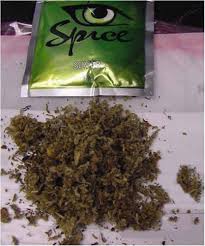
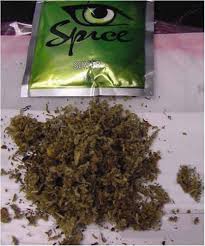
K2 / Spice / Synthetic Cannabinoids
Street drugs sold as “herbal incense” containing powerful synthetic cannabinoid compounds. Up to 800× more potent than THC. Full agonists at CB1 receptors. Responsible for thousands of ER visits, mass overdose events, and confirmed deaths. No antidote exists.
This guide covers all four categories, but devotes the most space to the categories that carry the greatest public health risk — the novel cannabinoid gray market and the street synthetic cannabinoid drugs — because these are the categories where consumers most often lack accurate information and where the consequences of misinformation are most severe.
2. What THC Is and How It Works
To understand synthetic THC in all its forms, you first need to understand what THC is and what it does in the brain. THC — tetrahydrocannabinol — is the primary psychoactive compound in the Cannabis sativa plant. It was first isolated and synthesized by Israeli chemist Raphael Mechoulam in 1964, a discovery that eventually led to the identification of the endocannabinoid system in the 1990s.
The Endocannabinoid System
THC produces its effects by interacting with the endocannabinoid system (ECS) — a network of receptors distributed throughout the brain and body that regulates mood, memory, pain perception, appetite, sleep, stress response, immune function, and motor coordination. The primary receptor that THC targets is CB1, found densely in the brain particularly in the prefrontal cortex, hippocampus, amygdala, and cerebellum.
The body produces its own endocannabinoids — anandamide and 2-arachidonoylglycerol (2-AG) — that bind to these receptors naturally and are then broken down by enzymes. THC mimics these endocannabinoids, binding to CB1 receptors and producing intoxication by disrupting the normal regulation of the systems the ECS governs.
What Makes THC a Partial Agonist
THC is classified as a partial agonist at CB1 receptors — it activates them to a fraction of their maximum possible activity and then reaches a natural ceiling. This partial activation profile is one reason natural cannabis has never produced a confirmed human fatality from THC toxicity alone, despite centuries of human use. The partial agonism creates an intrinsic limit on how much the compound can disrupt ECS function.
This concept — partial vs. full agonism — is the single most important pharmacological fact for understanding why some synthetic THC variants are so much more dangerous than natural cannabis.
3. FDA-Approved Synthetic THC: Dronabinol and Nabilone
The safest and most rigorously characterized category of synthetic THC is also the least commonly discussed in public conversation: FDA-approved medications containing synthetic THC used in clinical medicine.
Dronabinol (Marinol, Syndros)
Dronabinol is synthetic delta-9 THC — chemically identical to the THC found in natural cannabis, but produced in a pharmaceutical laboratory under strict quality control standards. It is FDA-approved for two indications: treatment of chemotherapy-induced nausea and vomiting that has not responded to other antiemetics, and appetite stimulation in HIV/AIDS patients experiencing significant weight loss.
Dronabinol is available in oral capsule form (Marinol) and as an oral solution (Syndros). It is a Schedule III controlled substance — recognizing both its medical utility and its potential for misuse — and is prescribed by physicians and dispensed through licensed pharmacies with precise dosing, known pharmacokinetics, and decades of safety data from clinical use.
The effects of dronabinol are those of THC: euphoria, altered time perception, increased appetite, dry mouth, and at higher doses, anxiety or paranoia. Because it is taken orally and absorbed through the gastrointestinal tract, onset is slower and more variable than inhaled cannabis, and the duration of effect is longer. The same dose-response principles apply: more is not necessarily better, and individual responses vary.
Nabilone (Cesamet)
Nabilone is a synthetic cannabinoid structurally related to but distinct from THC. It is FDA-approved for chemotherapy-induced nausea and vomiting and is classified as a Schedule II controlled substance in the U.S. Like dronabinol, it is dispensed through licensed pharmacies under physician prescription, has well-characterized pharmacokinetics, and has been studied in clinical trials. It is more potent than dronabinol on a milligram basis and has a longer duration of action.
Medical Use Context
Both dronabinol and nabilone are used in medical settings where the benefits — significant relief of chemotherapy-induced nausea and appetite improvement in wasting syndromes — are judged to outweigh the risks. They are not appropriate for self-medication, are not interchangeable with street synthetic cannabinoids, and carry the same general precautions as any controlled medication. Their existence as approved medications does not imply that synthetic cannabinoids broadly are safe.
4. Novel Cannabinoids: Delta-8, Delta-10, HHC and the Gray Market
Between FDA-approved medications and dangerous street drugs, there exists a growing gray market of novel cannabinoid compounds that have proliferated since the 2018 Farm Bill created legal ambiguity around hemp-derived compounds. This category includes Delta-8 THC, Delta-10 THC, HHC (hexahydrocannabinol), THCO (THC-O acetate), THCP, and dozens of other compounds being sold in mainstream retail settings with minimal regulatory oversight.
Delta-8 THC
Delta-8 THC is an isomer of Delta-9 THC — the same atoms arranged slightly differently. It occurs in tiny amounts naturally in hemp and cannabis plants, but the quantities sold commercially are produced through chemical conversion of CBD (cannabidiol) derived from hemp. This chemical conversion process can produce byproducts and impurities that are not present in naturally occurring Delta-8, and the conversion chemistry is not uniformly performed under pharmaceutical standards.
Delta-8 THC produces psychoactive effects similar to Delta-9 THC but reportedly less potent — often described as producing a clearer, less anxious intoxication than Delta-9. However, because products are minimally regulated, actual Delta-8 content, purity, and the presence of conversion byproducts vary enormously between manufacturers. The FDA has received adverse event reports involving Delta-8 THC products and has issued warnings about the lack of safety data.
HHC and THCO
HHC (hexahydrocannabinol) is a hydrogenated form of THC — similar to how vegetable oil becomes margarine through hydrogenation. It does not naturally occur in significant quantities in cannabis and is produced through chemical synthesis. THCO (THC-O acetate) is an acetylated form of THC that is more potent than Delta-9 THC and has been compared by some users to psychedelic experiences at higher doses. THCO does not naturally occur in cannabis at all — it is entirely synthetic.
Both compounds are being sold in mainstream retail settings as hemp-derived products. Both have minimal human safety data. Neither has been evaluated for safety by the FDA in consumer product form.
Gray Market Warning
The novel cannabinoid market — Delta-8, HHC, THCO, and related compounds — is largely unregulated. Products may contain more or less of the labeled compound than stated, may contain conversion byproducts from the synthesis process, and may contain other undisclosed compounds. Independent laboratory testing of commercially available Delta-8 products has found significant discrepancies between labeled and actual content, and has identified unlabeled byproducts in some products. “Hemp-derived” and “legal” do not mean “tested” or “safe.”
5. Street Synthetic Cannabinoids: K2, Spice and the Dangerous End
At the most dangerous end of the synthetic THC spectrum are the street synthetic cannabinoid products — sold under names like K2, Spice, Black Mamba, Mojo, and hundreds of others — that have been responsible for mass overdose events, widespread emergency room presentations, and confirmed deaths worldwide.
These products are not THC analogs in the pharmaceutical sense. They are a diverse collection of human-made compounds — originally created as research tools in academic pharmacology laboratories — that have been synthesized in clandestine facilities, sprayed onto plant material, and sold as “herbal incense” or “legal highs.” More than 700 distinct synthetic cannabinoid compounds have been identified in these products by forensic laboratories.
The critical distinction between these compounds and all others on the synthetic THC spectrum is their pharmacological mechanism: they are full agonists at CB1 receptors, while THC and most novel cannabinoids are partial agonists. This difference in mechanism, combined with potencies ranging from 10 to 800 times greater than natural THC, produces effects that are categorically more severe and more dangerous than any form of natural cannabis or FDA-approved synthetic THC.
700+Distinct street synthetic cannabinoid compounds identified worldwide
800×Maximum documented potency vs. THC for some synthetic cannabinoid compounds
0Approved antidotes for street synthetic cannabinoid overdose
6. The Critical Pharmacology: Partial vs. Full Agonism
Understanding the difference between partial and full agonism at cannabinoid receptors is the key to understanding why street synthetic cannabinoids are so much more dangerous than natural THC or FDA-approved synthetic THC medications — and why the “synthetic THC” label, when applied to K2 and Spice, is pharmacologically misleading.
Partial Agonism: Natural THC and FDA-Approved Synthetic THC
Natural THC, dronabinol, nabilone, Delta-8 THC, and most novel cannabinoids are partial agonists at CB1 receptors. A partial agonist activates a receptor to a fraction of its maximum possible activity — imagine pressing an accelerator to 40-60% of its maximum range. The receptor activates, produces its regulatory effects, and reaches a ceiling. The brain retains some capacity to regulate the disruption caused by the compound, and there is an intrinsic limit on how severe the effect can become.
This partial agonism is one reason natural cannabis has never produced a confirmed human death from THC toxicity alone and why FDA-approved synthetic THC medications, while requiring caution and medical supervision, have a manageable safety profile with decades of clinical use data.
Full Agonism: Street Synthetic Cannabinoids
Street synthetic cannabinoids — the compounds in K2, Spice, and related products — are full agonists at CB1 receptors. A full agonist activates the receptor to its absolute maximum possible level — pressing the accelerator all the way to the floor. There is no natural ceiling. There is no intrinsic limit. Every system the ECS regulates — mood, heart rate, blood pressure, seizure threshold, nausea, consciousness, pain — is simultaneously disrupted to the maximum degree the receptor can produce.
The brain was not designed to handle maximum CB1 receptor stimulation. The consequences are not simply “a stronger version of cannabis” — they are a categorically different physiological state with organ effects that no amount of natural cannabis can produce.
“The difference between partial and full agonism at CB1 receptors is not a matter of intensity — it is a matter of kind. Full agonism produces effects that partial agonism, by its pharmacological nature, cannot reach. The clinical consequences are not comparable.”Clinical Pharmacology Review, Journal of Medical Toxicology, 2022
7. Side-by-Side Comparison: All Types of Synthetic THC
| Property | Dronabinol / Nabilone | Delta-8 / Novel Cannabinoids | K2 / Spice / Street Synthetics |
|---|---|---|---|
| Receptor mechanism | Partial agonist | Partial agonist (mostly) | Full agonist — no ceiling |
| Potency vs. THC | Similar to THC | Similar or slightly less | 10× to 800× greater |
| Regulatory status | FDA Approved | Gray Market | Controlled / Illegal |
| Quality control | Pharmaceutical grade | Minimal — variable by brand | None — clandestine production |
| Dose consistency | Precisely known | Variable — label may be inaccurate | Extreme variability — hotspot risk |
| Cardiac risk | Low — similar to natural cannabis | Low to moderate | High — cardiac arrest documented |
| Psychosis risk | Low — similar to natural cannabis | Low to moderate | High — first-time users affected |
| Kidney damage risk | Minimal | Low — insufficient data | Documented — some cases permanent |
| Antidote available | Not required for most cases | Not required for most cases | None exists |
| Contamination risk | None — pharmaceutical manufacture | Moderate — conversion byproducts | High — adulterants documented including opioids and rat poison |
| Confirmed deaths | None from THC alone | Rare — some adverse events reported | Multiple confirmed deaths directly attributed |
| Appropriate for self-medication? | No — physician supervision required | Exercise caution — limited safety data | No — serious risk of severe harm or death |
8. The Dangers: What Street Synthetic THC Does to the Body
The physical health consequences of street synthetic cannabinoid exposure — the K2/Spice end of the synthetic THC spectrum — are extensive, affect multiple organ systems simultaneously, and can be life-threatening even in young, healthy, first-time users.
Heart & Cardiovascular
Tachycardia exceeding 150 bpm, dangerous blood pressure spikes, ventricular arrhythmias, myocardial infarction in young healthy individuals without prior cardiac history, and cardiac arrest. Cardiovascular complications have caused confirmed deaths directly attributed to synthetic cannabinoid use.
Brain & Nervous System
Seizures, acute psychosis with hallucinations and paranoid delusions, severe agitation, altered consciousness, stroke, and coma. Long-term users show structural brain changes on neuroimaging — hippocampal volume reduction and white matter abnormalities corresponding to cognitive deficits.
Kidneys
Acute kidney injury requiring dialysis documented in multiple cluster outbreaks involving specific product batches. Several cases resulted in permanent kidney damage. Mechanism involves probable direct nephrotoxicity from synthetic compounds or their metabolites, sometimes compounded by rhabdomyolysis.
Blood Clotting
The 2018 brodifacoum outbreak — synthetic cannabinoid products contaminated with rat poison anticoagulant — caused life-threatening bleeding in 300+ people across multiple U.S. states and killed at least 8. Unexplained bleeding in a K2 user is a medical emergency requiring immediate evaluation.
Lungs
Direct pulmonary damage from combustion products, respiratory depression in severe overdose, and vaping-format products associated with acute lung injury. Aspiration pneumonia from vomiting during impaired consciousness is a documented secondary complication.
Muscles
Rhabdomyolysis — severe muscle tissue breakdown releasing toxic proteins into the bloodstream — documented in overdose cases. Compounds kidney injury risk significantly and requires urgent medical management to prevent permanent organ damage.
Emergency Signs — Call 911 Immediately
Loss of consciousness or inability to rouse. Seizure or convulsive movements. Chest pain, pressure, or racing heart. Labored, very shallow, or absent breathing. Vomiting in a person not fully conscious. Extreme agitation posing danger to self or others. Face drooping, arm weakness, or slurred speech. Unexplained bleeding anywhere. There is no antidote — rapid emergency medical response is the only reliable intervention.
9. Mental Health and Brain Effects
The neurological and psychiatric consequences of street synthetic cannabinoid use are among its most serious and most underappreciated dangers. They can occur in people with no prior psychiatric history — sometimes after a single exposure — and can range from acute psychiatric emergencies to lasting structural brain damage.
Acute Psychosis
Maximum stimulation of CB1 receptors throughout the prefrontal cortex, hippocampus, and amygdala can produce complete psychotic breaks — with hallucinations, paranoid delusions, and disorganized thinking indistinguishable in the acute phase from schizophrenia. This has been documented in first-time users with no prior mental health history. The risk is categorically different from that of natural cannabis, FDA-approved synthetic THC, or novel cannabinoids.
Anxiety and Panic
Severe anxiety and panic attacks are among the most commonly reported effects of street synthetic cannabinoids, even at doses that do not trigger full psychosis. The intensity of these episodes — often described as a certainty of dying combined with complete inability to self-regulate — can leave lasting psychological marks including post-traumatic symptoms and ongoing anxiety disorders.
Long-Term Cognitive Effects
Regular use has been associated with persistent memory impairment, reduced processing speed, impaired executive function, and emotional blunting that can persist for months to years after cessation. Neuroimaging studies document structural changes — hippocampal volume reduction, white matter tract abnormalities — that correlate with these functional deficits.
Dependence and Withdrawal
Street synthetic cannabinoids produce physical dependence. Withdrawal symptoms include severe anxiety, sweating, nausea, vomiting, muscle cramps, tremors, palpitations, insomnia, and intense cravings — a syndrome some clinicians compare to opioid withdrawal in severity. This withdrawal profile is far more severe than natural cannabis withdrawal and significantly more severe than anything documented with FDA-approved synthetic THC medications.
10. Who Encounters Synthetic THC and Why
Understanding who encounters different forms of synthetic THC — and why — helps explain the public health landscape and points toward effective prevention and harm reduction strategies.
Medical Patients
Dronabinol and nabilone reach patients through legitimate medical channels — oncology patients managing chemotherapy side effects, HIV/AIDS patients managing appetite loss. These patients are under physician supervision, have known diagnoses, and are using precisely dosed medications. The risk profile in this context is manageable and well-characterized.
Cannabis Consumers Seeking Alternatives
Novel cannabinoids like Delta-8 and HHC reach a consumer population primarily seeking cannabis-like effects in states where cannabis remains illegal, or seeking to avoid the anxiety some experience with high-potency Delta-9 THC. This population is generally not seeking the extreme potency of street synthetic cannabinoids — they are often surprised to learn their products carry any meaningful risk.
People Seeking to Evade Drug Testing
A substantial proportion of street synthetic cannabinoid use — and increasingly novel cannabinoid use — is driven by the desire to avoid detection on standard urine drug screens. Standard panels detect THC metabolites but generally do not detect synthetic cannabinoid metabolites. This drives substitution of extremely dangerous compounds as an alternative to natural cannabis for people subject to drug testing.
Young People
Street synthetic cannabinoids are disproportionately marketed to and used by adolescents and young adults. Youth-oriented branding, lower price points than cannabis, the perception of legality, and drug-test evasion all contribute. The developing brain is neurologically more vulnerable to lasting damage from cannabinoid system disruption than the mature adult brain.
People Experiencing Homelessness
Street synthetic cannabinoids are disproportionately prevalent among homeless populations globally, driven primarily by cost — they are often significantly cheaper than natural cannabis. Mass overdose events have disproportionately affected homeless communities in cities across the U.S. and UK.
11. How to Tell Different Products Apart
Distinguishing between the different categories of synthetic THC products requires attention to context, labeling, and source — there is no reliable visual test for most products.
FDA-approved synthetic THC medications (dronabinol, nabilone) come in pharmaceutical packaging with prescription labels, dispensed by licensed pharmacies under a physician’s order. They are not sold in convenience stores, head shops, or online consumer marketplaces.
Novel cannabinoids (Delta-8, HHC, etc.) are sold in consumer-facing retail — vape shops, CBD stores, online retailers — and in food-grade packaging (gummies, vapes, tinctures). Products should have third-party laboratory certificates of analysis (COAs) showing compound content and purity testing. COAs from reputable independent laboratories are a meaningful quality signal, though not a guarantee.
Street synthetic cannabinoids (K2, Spice, etc.) are sold in foil envelopes with cartoon-heavy branding, youth-oriented names, “not for human consumption” disclaimers, and retail presence in convenience stores and gas stations in markets with weak enforcement. No legitimate laboratory testing is disclosed. The product may have a chemical smell beneath added fragrance.
For Healthcare Providers
Patients presenting with unexpected severe intoxication, psychosis, cardiac events, orblogwisecircle.comwhere drug use is suspected should be evaluated for street synthetic cannabinoid exposure even when standard drug screens are negative. Specialized GC-MS or LC-MS testing ordered through reference laboratories can detect specific synthetic cannabinoid metabolites. The clinical picture — particularly severity and organ involvement — is often the most reliable indicator when laboratory confirmation is not immediately available.
12. Legal Status Across All Categories
The legal status of synthetic THC varies dramatically across the spectrum described in this guide.
Dronabinol is Schedule III under the Controlled Substances Act — recognized as having medical utility with moderate potential for misuse. Nabilone is Schedule II. Both are available only by prescription through licensed pharmacies.
Novel cannabinoids occupy an actively contested legal gray area. The 2018 Farm Bill legalized hemp and hemp-derived compounds including CBD, but its application to Delta-8, HHC, THCO, and other novel compounds has been disputed. The DEA has issued guidance suggesting some of these compounds fall outside Farm Bill protections, and several states have specifically banned Delta-8 and related compounds. The legal landscape is evolving rapidly and varies significantly by state.
Street synthetic cannabinoids (K2, Spice) — many specific compounds are federally scheduled as Schedule I controlled substances. The DEA has used emergency scheduling authority dozens of times to add new compounds as they are identified. The Federal Analogue Act may cover unscheduled variants. Many states have enacted additional scheduling laws. Products may be technically legal in some jurisdictions if they contain a compound not yet specifically scheduled — but this reflects regulatory lag, not safety.
13. Frequently Asked Questions
Is synthetic THC safe?
The answer depends entirely on which type of synthetic THC you are asking about. FDA-approved synthetic THC medications (dronabinol and nabilone) have well-characterized safety profiles from decades of clinical use, are used under physician supervision, and are considered medically appropriate for specific indications. Novel cannabinoids like Delta-8 THC have limited safety data but generally lower risk profiles than street products. Street synthetic cannabinoids (K2, Spice) are not safe — they have caused cardiac arrests, acute kidney failure, psychosis, and confirmed deaths, and have no antidote.
What is the difference between synthetic THC and synthetic cannabinoids?
Synthetic THC refers specifically to laboratory-made compounds that replicate the structure of natural Delta-9 THC — dronabinol is the clearest example. Synthetic cannabinoids is a broader term covering any human-made compound that activates cannabinoid receptors, including those with structures completely different from THC. Street drugs like K2 and Spice are synthetic cannabinoids but not synthetic THC in the strict structural sense — they are designed to activate the same receptors but through entirely different molecular structures, often with dramatically different and more dangerous pharmacological profiles.
Is Delta-8 THC synthetic?
Delta-8 THC occurs naturally in cannabis and hemp plants but in very small quantities. The Delta-8 products sold commercially are produced through chemical conversion of CBD derived from hemp — a synthesis process that makes the commercial product effectively synthetic, even if the compound itself occurs naturally. This conversion process can produce byproducts that are not natural, and the resulting products are subject to minimal regulatory oversight. The FDA has issued warnings about Delta-8 THC products and the lack of safety evaluation for commercial use.
Why do street synthetic cannabinoids not show on drug tests?
Standard urine drug screens detect specific metabolites — for cannabis, they detect THC-COOH, a metabolite of natural THC. Street synthetic cannabinoid compounds have completely different chemical structures from THC and produce different metabolites not detected by standard immunoassay panels. This is precisely why many people use K2 and related products — to evade testing. Specialized forensic laboratory testing using GC-MS or LC-MS can detect synthetic cannabinoid metabolites when specifically ordered, but requires knowing which compounds to look for among more than 700 identified variants.
Can you get addicted to synthetic THC?
Physical dependence potential varies by compound and type. FDA-approved synthetic THC medications have dependence potential similar to natural cannabis — real but moderate. Novel cannabinoids appear to have similar dependence profiles, though data are limited. Street synthetic cannabinoids produce physical dependence with a withdrawal syndrome that has been compared by clinicians to opioid withdrawal in severity — far more intense than natural cannabis withdrawal. Dependence can develop rapidly with regular use and is a significant barrier to stopping without medical support.
What should I do if someone overdoses on synthetic THC?
For street synthetic cannabinoids (K2, Spice), call 911 immediately if any severe symptoms are present — loss of consciousness, seizure, chest pain, labored breathing, extreme agitation, or unresponsiveness. Do not leave the person alone. If unconscious but breathing, place on their side in the recovery position. Standard drug screens will not detect synthetic cannabinoids — tell emergency responders what product was used if known. For novel cannabinoids or FDA-approved synthetic THC, severe adverse events are less common but the same basic principle applies: if someone is in distress beyond what you can manage, seek emergency medical help.
Is synthetic THC used in medicine?
Yes. Dronabinol (synthetic Delta-9 THC) and nabilone (a synthetic THC analog) are FDA-approved medications used primarily for chemotherapy-induced nausea and vomiting and appetite stimulation in HIV/AIDS-related wasting. Both are Schedule II or III controlled substances available only by prescription. They represent the legitimate medical application of synthetic cannabinoid pharmacology — distinct in every meaningful way from unregulated street synthetic cannabinoids that happen to share the “synthetic THC” label.
How do I know if a synthetic THC product is legitimate?
Legitimate synthetic THC medications come through prescription pharmaceutical channels — they have National Drug Code numbers, prescription labels, and are dispensed by licensed pharmacies. Legitimate novel cannabinoid products should have accessible third-party laboratory certificates of analysis (COAs) from ISO-accredited testing laboratories, showing compound content, potency, and screening for common contaminants and conversion byproducts. Any product sold without disclosed laboratory testing, in drug-oriented packaging, or through non-pharmaceutical retail for psychoactive use warrants significant skepticism. Street synthetic cannabinoids have no legitimate pathway whatsoever.