
Synthetic cannabinoids have become a major public-health and regulatory concern in the United States. Often associated with names such as K2, Spice, and other labels, these laboratory-created chemicals are designed to interact with cannabinoid receptors in the brain and body. Unlike regulated cannabis products, however, synthetic cannabinoids can vary considerably in chemical composition, potency, and effects.
The question of why synthetic cannabinoids are banned in many states comes down to several factors, including unpredictable health effects, poisonings, cardiovascular complications, changing chemical formulas, difficulty regulating individual compounds, and concerns about products being marketed in ways that can make them appear harmless.
This article explores the major reasons states have introduced laws restricting or prohibiting synthetic cannabinoids and explains why regulation can be complicated.
What Are Synthetic Cannabinoids?
Synthetic cannabinoids are man-made chemicals that interact with cannabinoid receptors, particularly receptors involved in the body’s nervous system.
Some synthetic cannabinoids were initially developed for scientific and medical research. However, unrelated compounds later appeared in recreational markets.
The term “synthetic cannabinoid” covers a large and changing group of chemicals rather than one standardized substance.
This distinction is important because different synthetic cannabinoids can have very different strengths and effects.
A product sold under the same name may also contain a different chemical from another product carrying the same label.
Why Are Synthetic Cannabinoids Banned in Many States?
There is no single reason behind every state law. State regulations differ, and laws can change over time.
However, several major concerns have influenced restrictions on synthetic cannabinoids.
1. Unpredictable Health Effects
One of the biggest reasons synthetic cannabinoids have attracted regulatory attention is their unpredictable effects.
Traditional cannabis contains a relatively established group of naturally occurring cannabinoids. Synthetic cannabinoid products, by comparison, may contain laboratory-created compounds with substantially different pharmacological properties.
Some synthetic cannabinoids can produce intense psychoactive effects, while others may cause severe physical reactions.
Reported adverse effects can include:
- Rapid heartbeat
- High blood pressure
- Agitation
- Confusion
- Anxiety
- Hallucinations
- Vomiting
- Seizures
- Loss of consciousness
- Breathing problems
- Abnormal heart rhythms
Severe cases can become life-threatening.
Because consumers may not know exactly which chemical is present, predicting the reaction to a particular product can be difficult.
2. Serious Cardiovascular Risks
Cardiovascular effects are another major concern.
Synthetic cannabinoid exposure has been associated with tachycardia, hypertension, arrhythmias, myocardial infarction, cardiac arrest, and other cardiovascular complications.
A rapid heart rate can increase the heart’s demand for oxygen. Changes in blood pressure and blood-vessel function may place additional stress on the cardiovascular system.
In serious cases, these effects can contribute to a medical emergency.
Importantly, severe cardiovascular reactions are not necessarily limited to people with an existing heart condition. Serious cases have been reported among younger individuals as well.
This has contributed to concerns about synthetic cannabinoids being sold as if they were relatively harmless alternatives to other substances.
3. Synthetic Cannabinoids Can Change Quickly
Another challenge for regulators is the constantly changing nature of synthetic cannabinoid chemistry.
When authorities identify and prohibit one chemical, manufacturers or illicit suppliers may introduce another compound with a slightly different chemical structure.
This can create a cycle sometimes described as the “substitution” or “cat-and-mouse” problem.
Instead of one fixed substance being available for years, new compounds may appear relatively quickly.
That makes regulation more complicated because lawmakers and public-health agencies must continually monitor emerging chemicals.
Some jurisdictions have responded by creating broader legal definitions or groups of prohibited compounds rather than banning only one specific chemical.
4. Product Labels May Not Reflect the Actual Contents
Synthetic cannabinoid products have historically been sold using labels that can create confusion about what is actually inside the package.
A product may be labeled as:
- Herbal incense
- Potpourri
- Plant material
- Aromatherapy material
- Research material
- K2
- Spice
- Synthetic marijuana
Such descriptions do not necessarily tell consumers which psychoactive chemicals are present.
The problem becomes more significant when the packaging gives the impression that a product is ordinary herbal material when it actually contains powerful synthetic chemicals.
Regulators have therefore focused on both the substances themselves and the ways these products enter the market.
5. Emergency Room Visits and Poisonings
Synthetic cannabinoids have been associated with clusters of severe poisonings and emergency medical visits.
Public-health officials have reported outbreaks in which groups of people experienced serious symptoms after exposure to synthetic cannabinoid products.
Symptoms may include severe agitation, confusion, vomiting, seizures, rapid heart rate, and loss of consciousness.
These events place pressure on emergency departments, poison-control systems, and other healthcare resources.
When a product repeatedly produces unpredictable or severe toxicity, regulators may consider restrictions as part of a broader public-health response.
6. Some Synthetic Cannabinoids Are Extremely Potent
Potency is another important concern.
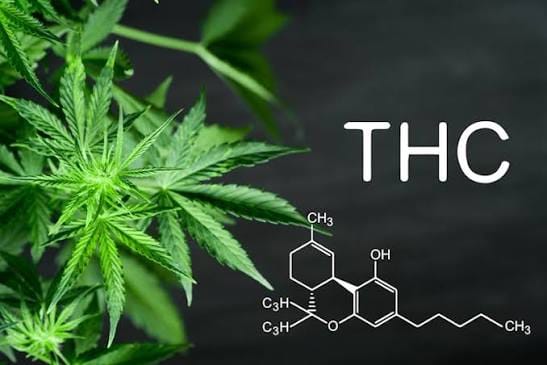
Synthetic cannabinoids are not simply identical versions of THC.
Some compounds can bind strongly to cannabinoid receptors and produce powerful effects. The strength of an individual compound can also differ considerably from other synthetic cannabinoids.
A person who expects an effect similar to cannabis may therefore experience something much stronger or qualitatively different.
High potency can increase the risk of adverse reactions, particularly when the person does not know the chemical concentration.
This is one reason why simply describing synthetic cannabinoids as “synthetic marijuana” can be misleading.
7. Difficulty Establishing a Reliable Dose
With a regulated medication, the active ingredient and dose are normally clearly defined.
Synthetic cannabinoid products can present a very different situation.
The amount of active chemical may be difficult for consumers to determine. Different batches may contain different concentrations, and multiple chemicals may potentially be present.
This creates an important problem:
A person may not know how much of a particular synthetic cannabinoid they are actually consuming.
An unpredictable dose can increase the likelihood of accidental overexposure.
State Laws Can Differ Significantly
It is important to understand that there is no single nationwide rule that perfectly describes every state.
Some states have specifically banned named synthetic cannabinoid compounds. Others have adopted broader definitions covering groups of chemically related substances.
State laws can also distinguish between possession, manufacture, distribution, sale, and possession with intent to distribute.
Penalties may vary depending on the substance, amount, circumstances, and applicable state law.
Because legislation changes, anyone researching the legal status of a specific synthetic cannabinoid should check the current law in the relevant state rather than relying on an old article or product label.
Why Banning One Chemical May Not Be Enough
One of the most difficult regulatory issues is that synthetic cannabinoids can be chemically modified.
Suppose a particular compound is identified as dangerous and prohibited.
A supplier may attempt to introduce a structurally modified compound that is not covered by the original wording of the law.
This can result in a continuous cycle of:
- New compound appears.
- Health problems are reported.
- Authorities identify the compound.
- Legislators or regulators prohibit it.
- Another compound enters the market.
This is one reason some jurisdictions have moved toward broader definitions that cover chemical classes or analogues.
However, broader laws can also create their own legal and scientific challenges.
Are Synthetic Cannabinoids the Same as Cannabis?
No.
Although synthetic cannabinoids can interact with some of the same cannabinoid receptors as THC, they are not simply another form of cannabis.
Cannabis is a plant containing naturally occurring cannabinoids and many other compounds.
Synthetic cannabinoids are laboratory-created chemicals.
The effects can differ substantially between individual synthetic cannabinoids, and some may produce much stronger or less predictable effects than people expect from cannabis.
This distinction is important when discussing why synthetic cannabinoids have faced different legal treatment.
Why Are They Sometimes Called K2 or Spice?
K2 and Spice are common names historically associated with synthetic cannabinoid products.
These names became widely recognized because early synthetic cannabinoid products were marketed using colorful branding and misleading descriptions.
Over time, however, the chemical composition of products sold under these names could change.
This means that the name alone cannot reliably tell you what chemical is present.
A product marketed as K2 in one place or period may not necessarily contain the same substances as another product using the same name.
Are Synthetic Cannabinoids Always Illegal?
Not necessarily in exactly the same way everywhere.
The legal status of synthetic cannabinoids depends on the specific chemical, jurisdiction, applicable legislation, and intended use.
Some compounds may be explicitly controlled, while other newly emerging substances may fall into legal gray areas until laws are updated.
Additionally, possession, manufacture, sale, and distribution may be treated differently under particular laws.
For this reason, saying that “all synthetic cannabinoids are illegal everywhere” would be inaccurate.
The better approach is to examine the current laws applicable to the specific compound and location.
Why New Synthetic Cannabinoids Keep Appearing
The market for synthetic cannabinoids has historically been driven partly by attempts to create compounds that produce cannabinoid-like effects while avoiding existing drug-control laws.
When a particular compound becomes prohibited, a chemically modified version may be introduced.
This creates regulatory difficulties because scientific terminology and legal terminology do not always move at the same speed.
A new compound can appear before lawmakers have had an opportunity to specifically address it.
Public-health agencies must therefore monitor emerging substances while regulators determine how existing laws apply.
The Role of Public Health
Synthetic cannabinoid restrictions are not only about criminal enforcement.
Public-health agencies also use education, poison-control data, emergency-room reports, laboratory testing, and outbreak investigations to identify emerging risks.
When a cluster of severe illnesses appears, investigators may attempt to determine:
- What substance was involved
- Where the product came from
- Whether multiple products contain the same chemical
- Whether contamination occurred
- How severe the symptoms were
- Whether additional cases are occurring
This information can help authorities respond to emerging threats.
Why Packaging Can Be Misleading
Some synthetic cannabinoid products have historically used packaging designed to make them appear like ordinary consumer products.
Names, colorful graphics, and phrases such as “not for human consumption” can create confusion about the actual intended use.
A disclaimer does not necessarily mean that a product is safe.
The chemical inside the package determines its pharmacological effects, not the wording on the label.
Consumers should therefore avoid assuming that a product is harmless because it is presented as incense, potpourri, or another non-consumable item.
Synthetic Cannabinoids and Young People
Young people may be particularly vulnerable to misleading product marketing and the perception that synthetic cannabinoids are safer than other drugs.
The combination of unpredictable chemistry, potentially high potency, and limited knowledge about individual products can create serious risks.
Education is therefore an important component of prevention.
Understanding what synthetic cannabinoids are and why they are regulated can help people make more informed decisions about exposure.
Common Misconceptions About Synthetic Cannabinoids
Myth 1: Synthetic cannabinoids are safe because they are laboratory-made.
Being laboratory-made does not mean a substance is safe.
Synthetic chemicals can have powerful effects and may cause serious toxicity.
Myth 2: Synthetic cannabinoids are simply legal marijuana.
This is incorrect.
Synthetic cannabinoids are different chemicals and can produce different effects.
Myth 3: If a product says “herbal,” it must be natural.
Marketing language does not establish the chemical contents of a product.
Some products marketed using herbal terminology have historically contained synthetic psychoactive chemicals.
Myth 4: Banning one synthetic cannabinoid eliminates the entire problem.
New compounds can emerge after a particular chemical is prohibited.
This is why regulators often need broader strategies.
Myth 5: Synthetic cannabinoids only affect the brain.
Synthetic cannabinoids can affect multiple body systems, including the cardiovascular and nervous systems.
Serious reactions can involve the heart, blood vessels, lungs, kidneys, and other organs.
What Makes Synthetic Cannabinoid Regulation Difficult?
Regulating synthetic cannabinoids requires a combination of scientific, legal, and public-health approaches.
Scientists must identify emerging chemicals and understand their effects.
Lawmakers must determine how those substances should be classified under existing legislation.
Healthcare professionals need to recognize possible toxicity even when the exact chemical is unknown.
Law-enforcement and regulatory agencies may also need laboratory capabilities to identify new compounds.
The constantly changing nature of the synthetic cannabinoid market makes each of these tasks more difficult.
Frequently Asked Questions
Why are synthetic cannabinoids banned in many states?
Synthetic cannabinoids are restricted or prohibited in many states because of concerns about unpredictable effects, serious poisonings, cardiovascular complications, high potency, uncertain product composition, and the appearance of new chemical variants.
Are synthetic cannabinoids illegal in every state?
No. Laws differ between jurisdictions and can change over time. The legal status may depend on the specific compound and how it is regulated under state law.
Why are K2 and Spice banned?
K2 and Spice are names historically associated with synthetic cannabinoid products. Restrictions have been driven by concerns about unpredictable chemical composition, severe adverse reactions, poisonings, and other public-health risks.
Are synthetic cannabinoids more dangerous than marijuana?
The risks are not identical because synthetic cannabinoids are a diverse group of chemicals. Some can produce much stronger or more unpredictable effects than traditional cannabis.
Can synthetic cannabinoids cause heart problems?
Yes. Synthetic cannabinoid exposure has been associated with rapid heartbeat, elevated blood pressure, abnormal heart rhythms, heart attacks, and other cardiovascular complications.
Why do manufacturers create new synthetic cannabinoids?
New compounds may be introduced to produce cannabinoid-like effects or attempt to avoid existing restrictions. This creates challenges for regulators because laws may initially identify specific compounds.
Can synthetic cannabinoids be detected?
Some synthetic cannabinoids can be identified through specialized laboratory testing, but routine drug screens may not detect every compound.
Are synthetic cannabinoids addictive?
Some synthetic cannabinoids can lead to repeated use and withdrawal symptoms. The risk can vary depending on the specific chemical and pattern of exposure.
Final Thoughts
Understanding why synthetic cannabinoids are banned in many states requires looking beyond the simple idea that they are “synthetic marijuana.”
These substances represent a large and changing group of laboratory-created chemicals. Their effects can vary considerably, and products may contain unexpected compounds or concentrations.
Concerns about severe poisoning, cardiovascular complications, seizures, abnormal heart rhythms, unpredictable potency, and changing chemical formulas have contributed to restrictions across many jurisdictions.
At the same time, synthetic cannabinoid laws are not identical everywhere. Regulations can differ by state and can change as new compounds appear.
The most important point is that legal status, product labeling, and marketing claims should not be confused with safety. A product’s name or packaging cannot reliably predict how a synthetic cannabinoid will affect the body.