
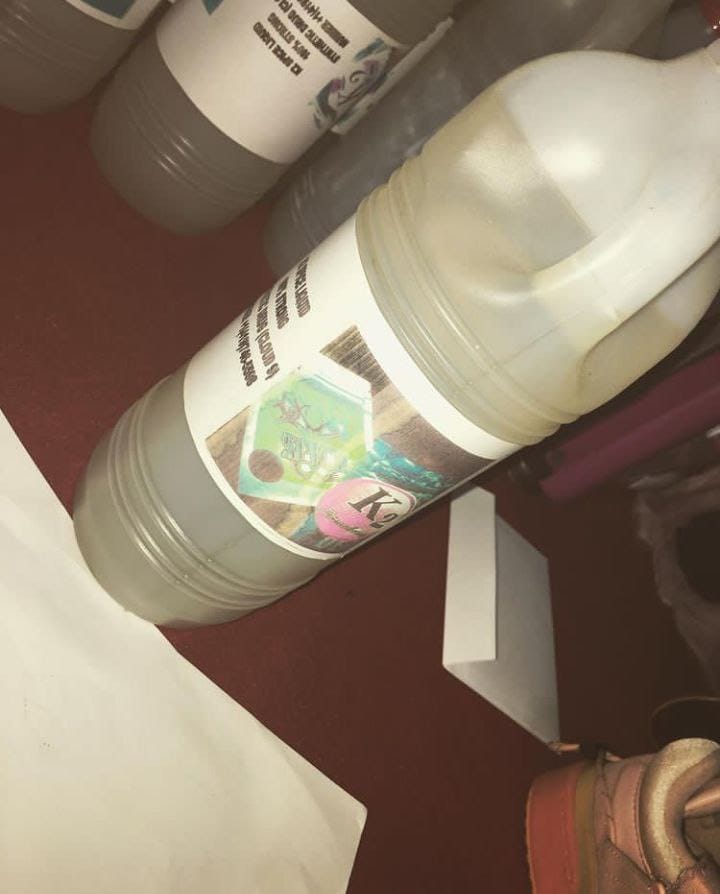
WHAT IS K2 SPICE DIABLO
K2 Spice Diablo is a name associated with products marketed as synthetic cannabinoid or “herbal incense” products. Despite names that may suggest a conventional herbal product, K2 and Spice products can contain laboratory-made chemicals that interact with cannabinoid receptors in the brain and body. Their chemical composition can vary considerably between products, batches, and locations.
Understanding what K2 Spice Diablo refers to is important because synthetic cannabinoids can produce unpredictable effects. A product sold under one name may contain a completely different chemical from another product carrying the same or similar branding.
What Is K2 Spice Diablo?
K2 Spice Diablo is a name that may be used to describe a synthetic cannabinoid product. Synthetic cannabinoids are manufactured chemicals designed to interact with some of the same cannabinoid receptors affected by compounds found in cannabis.
K2 and Spice are common terms associated with this broader category of products. They have also been sold historically under descriptions such as:
- Herbal incense
- Herbal smoking blends
- Potpourri
- Aromatic products
- Synthetic cannabis
- Synthetic cannabinoid products
- “Not for human consumption” products
The terminology used on packaging does not necessarily reveal what chemicals are actually present.
Why Is K2 Sometimes Called Synthetic Cannabis?
K2 is often described as “synthetic cannabis” because some of its chemicals interact with cannabinoid receptors.
However, synthetic cannabinoids are not simply laboratory-made versions of natural cannabis.
The effects can be substantially different because individual synthetic cannabinoids can have different chemical structures, receptor activity, potency, and duration of action.
Some synthetic cannabinoids can activate cannabinoid receptors very strongly. This may contribute to severe or unexpected reactions.
For this reason, assuming that a K2 product will produce the same experience as cannabis can be dangerous.
What Does “Spice” Mean?
“Spice” is another name historically associated with synthetic cannabinoid products.
The term does not identify one specific chemical.
Instead, it can refer to a broad and changing group of products containing synthetic cannabinoid compounds. Manufacturers and distributors have used different names, packaging, flavors, and product descriptions over time.
Is K2 Spice Diablo a Single Chemical?
Not necessarily.
A product name such as K2 Spice Diablo should not automatically be interpreted as the name of a single chemical compound.
Synthetic cannabinoid formulations may contain different active ingredients. Some products may also contain multiple chemicals or unexpected contaminants.
Because formulas can change, information printed on packaging may not always provide a reliable picture of the actual contents.
Laboratory testing is often required to identify specific compounds.
How Do Synthetic Cannabinoids Affect the Body?
Synthetic cannabinoids primarily interact with cannabinoid receptors in the body’s endocannabinoid system.
These receptors are involved in several physiological processes, including:
- Mood
- Memory
- Coordination
- Appetite
- Perception
- Heart rate
- Stress responses
- Sleep
- Temperature regulation
The exact effects depend on the particular chemical involved, its concentration, individual physiology, and other substances that may be present.
Some synthetic cannabinoids can produce intense central nervous system effects.
Possible Effects of K2 and Synthetic Cannabinoids
Reported effects can vary widely.
Some people may experience relatively mild symptoms, while others can develop severe toxicity.
Possible effects include:
- Confusion
- Anxiety
- Agitation
- Drowsiness
- Dizziness
- Altered perception
- Poor coordination
- Rapid heartbeat
- Nausea
- Vomiting
- Tremors
- Panic
- Paranoia
- Hallucinations
- Disorientation
More serious reactions can occur in some cases.
These may include:
- Severe agitation
- Loss of consciousness
- Seizures
- Dangerous changes in heart rate
- Breathing problems
- Severe confusion
- Psychotic symptoms
- Kidney injury
- Other organ complications
Because formulations vary, it is difficult to predict exactly how an individual product will affect someone.
Why Can K2 Spice Be Unpredictable?
One of the biggest problems associated with synthetic cannabinoids is variability.
A product’s effects can depend on:
Chemical composition
Different synthetic cannabinoids can have dramatically different pharmacological properties.
Concentration
The amount of active chemical can vary between products and potentially between batches.
Contamination
Products may contain substances that are not clearly identified on packaging.
Individual factors
Age, body size, health status, medications, tolerance, and previous substance exposure can influence reactions.
Multiple substances
Combining synthetic cannabinoids with other drugs, medications, or intoxicants may increase risks.
Because of these variables, appearance, branding, flavor, or product name cannot reliably predict safety.
K2 Spice Diablo and Mental Health Effects
Possible reactions include anxiety, panic, paranoia, confusion, hallucinations, and severe agitation.
In some cases, symptoms can become intense enough to require emergency medical treatment.
A person experiencing sudden severe confusion, extreme agitation, hallucinations, or loss of contact with reality after consuming an unknown substance should receive prompt medical attention.
Can Synthetic Cannabinoids Cause Seizures?
Seizures have been reported in connection with synthetic cannabinoid exposure.
A seizure is a medical emergency when it is prolonged, repeated, associated with injury, or accompanied by difficulty breathing or failure to regain consciousness.
If someone experiences a seizure:
- Move dangerous objects away from the person.
- Protect the person’s head if possible.
- Do not restrain them.
- Do not put anything in their mouth.
- Turn them onto their side after the seizure if practical.
- Contact emergency medical services when appropriate.
Never attempt to manage a serious poisoning solely through online advice.
Can K2 Affect the Heart?
Synthetic cannabinoids can affect cardiovascular function.
Possible symptoms may include:
- Rapid heartbeat
- Palpitations
- Changes in blood pressure
- Chest discomfort
- Fainting
- Abnormal heart rhythms
Chest pain, severe shortness of breath, fainting, or a markedly abnormal heartbeat should be treated as an emergency.
K2 Spice and Kidney Problems
Certain outbreaks involving synthetic cannabinoids have been associated with acute kidney injury.
Symptoms of a serious kidney problem can include:
- Severe nausea
- Vomiting
- Abdominal or back discomfort
- Reduced urination
- Unusual weakness
- Confusion
Kidney injury may not always be obvious immediately. Medical evaluation is important when significant symptoms develop after exposure to an unknown synthetic cannabinoid.
Why Packaging Can Be Misleading
Synthetic cannabinoid products have historically been sold using labels that may describe them as incense, potpourri, or other non-consumable products.
Some packaging may also include warnings such as “not for human consumption.”
These labels do not necessarily make the contents safe.
The important issue is the actual chemical composition of the product.
A package’s color, branding, scent, or marketing name cannot establish what substances are present.
K2 Spice Diablo vs. Natural Cannabis
K2 and natural cannabis should not be treated as interchangeable products.
Natural cannabis contains naturally occurring cannabinoids, including THC.
Synthetic cannabinoid products contain manufactured chemicals that can interact with cannabinoid receptors.
Some synthetic cannabinoids may produce stronger or less predictable receptor activity than THC.
Additionally, synthetic cannabinoid products may contain chemicals that have not been adequately studied in humans.
Therefore, comparing a particular K2 product directly with a known cannabis product based only on the expected “high” is unreliable.
How Long Do K2 Effects Last?
There is no universal duration for synthetic cannabinoid effects.
Duration can depend on:
- The specific chemical
- Amount of exposure
- Route of exposure
- Individual metabolism
- Other substances involved
- Product contamination
- Overall health
Some effects may resolve relatively quickly, while serious symptoms can require medical treatment.
It is unsafe to assume that someone is out of danger simply because the initial effects appear to be improving.
Signs of Possible Synthetic Cannabinoid Poisoning
Recognizing warning signs can help someone obtain appropriate medical care quickly.
Potential signs include:
- Severe confusion
- Extreme agitation
- Hallucinations
- Loss of consciousness
- Seizures
- Difficulty breathing
- Severe vomiting
- Chest pain
- Very rapid or irregular heartbeat
- Collapse
- Unusual behavior
- Severe drowsiness or inability to wake
When serious symptoms appear after exposure to an unknown substance, emergency medical services should be contacted.
What Should You Do During a Suspected Overdose?
If you suspect poisoning or overdose, prioritize immediate safety.
Stay with the person
Do not leave someone who is unconscious, severely confused, or experiencing serious symptoms alone.
Contact emergency services
Provide information
If possible, tell medical professionals what substance was involved and approximately when exposure occurred.
Keep the packaging available if doing so is safe. It may help healthcare professionals identify potential chemicals.
Do not induce vomiting
Unless specifically instructed by a medical professional or poison-control service, do not attempt to make someone vomit.
Do not give additional substances
Avoid attempting to counteract the effects with alcohol, medications, cannabis, or other drugs.
Why Product Testing Matters
Laboratory analysis can sometimes identify synthetic cannabinoids or other chemicals present in a sample.
However, the absence of a known chemical does not automatically prove that a product is safe.
New synthetic cannabinoids can appear over time, and some compounds may be difficult to detect using routine screening methods.
This is one reason healthcare professionals may need detailed information about exposure when treating suspected poisoning.
Are Synthetic Cannabinoids Legal?
The legal status of synthetic cannabinoids varies by country and can change over time.
A product being sold or labeled as “herbal incense” does not necessarily mean that its active ingredients are legal.
Anyone dealing with a specific legal question should consult the laws applicable to their jurisdiction.
Why Do Synthetic Cannabinoid Names Change?
Synthetic cannabinoid markets have historically used many different names and branding strategies.
When particular chemicals become controlled or restricted, products may appear containing different compounds.
This creates a constantly changing landscape.
Consequently, a familiar product name does not necessarily guarantee that a newer product has the same chemical composition as an older one.
Frequently Asked Questions About K2 Spice Diablo
What is K2 Spice Diablo?
K2 Spice Diablo is a name associated with synthetic cannabinoid or “herbal incense” products. The name itself does not establish a specific chemical composition.
Is K2 Spice Diablo the same as cannabis?
No. Synthetic cannabinoids are manufactured chemicals and are not equivalent to naturally occurring cannabis products.
Can K2 cause hallucinations?
Yes. Hallucinations and other significant changes in perception have been reported with synthetic cannabinoid exposure.
Can K2 cause seizures?
Seizures are among the serious adverse reactions reported with synthetic cannabinoids and require appropriate medical attention.
Can K2 affect the heart?
Yes. Synthetic cannabinoids can be associated with rapid heartbeat, abnormal rhythms, blood-pressure changes, and other cardiovascular symptoms.
Why is K2 considered unpredictable?
The chemical composition and concentration of synthetic cannabinoid products can vary, making their effects difficult to predict.
Is “herbal incense” necessarily natural?
No. A product marketed as herbal incense may contain manufactured chemicals or other ingredients. The marketing description does not establish the product’s actual contents.
What should I do if someone becomes unconscious after taking K2?
Treat unconsciousness as a medical emergency. Contact emergency medical services and follow their instructions. Do not leave the person alone.
Final Thoughts on K2 Spice Diablo
K2 Spice Diablo is a name associated with a broader category of synthetic cannabinoid products rather than a reliable indication of one standardized chemical formulation.
Potential effects range from confusion, dizziness, anxiety, and rapid heartbeat to severe reactions such as seizures, loss of consciousness, hallucinations, cardiovascular complications, and other forms of poisoning.
Anyone experiencing serious symptoms following exposure should seek emergency medical assistance rather than attempting to manage the situation independently.
For consumers, healthcare professionals, and families, understanding the risks associated with synthetic cannabinoids is more useful than relying on product branding or marketing terminology.