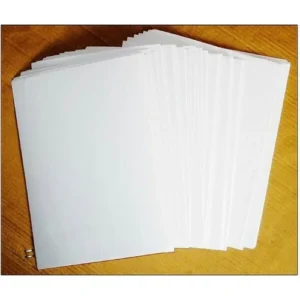
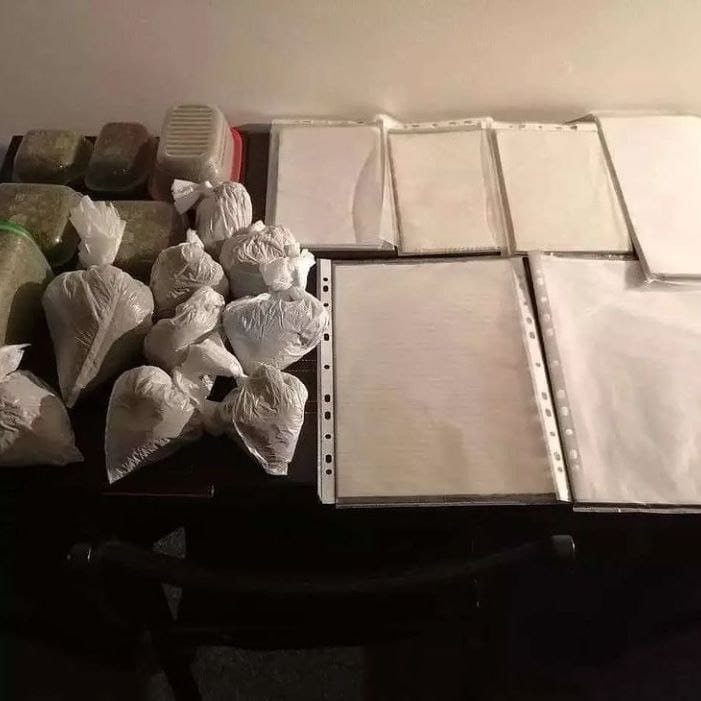
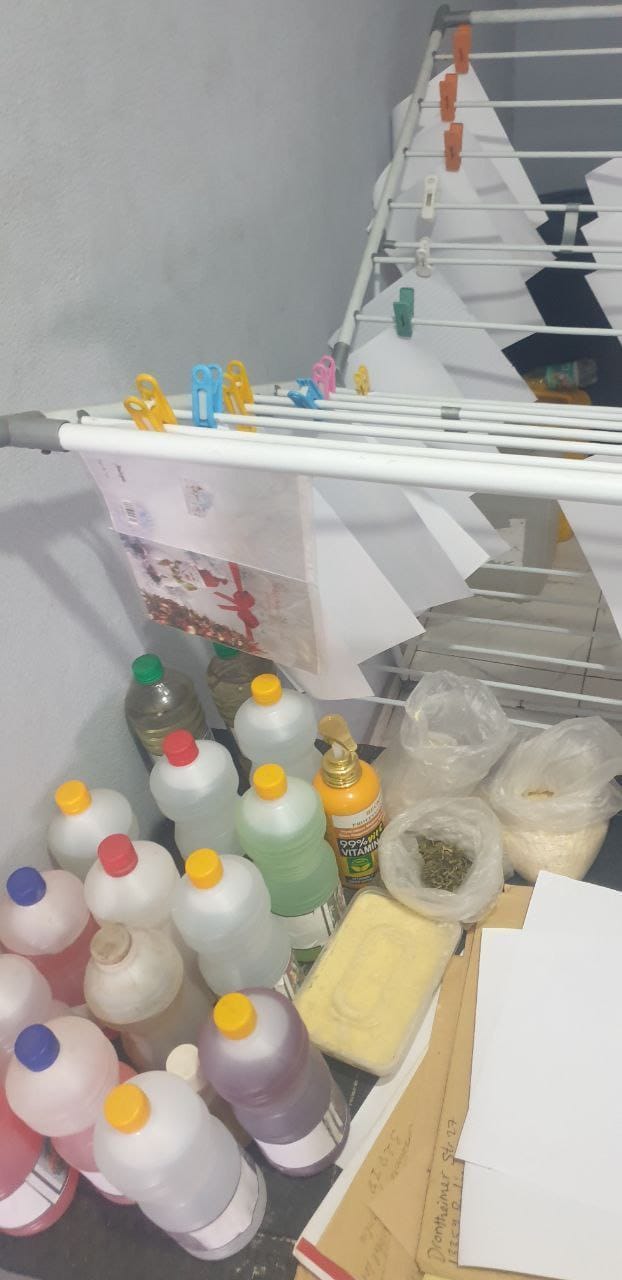
4-CN-BINACA-ADB on Paper
$250.00
Description
4-CN-BINACA-ADB on Paper: What You Should Know
4-CN-BINACA-ADB on paper refers to paper or blotter material associated with a synthetic cannabinoid compound. The terminology can be confusing because similar names are sometimes used for different substances. Reliable identification should therefore rely on laboratory analysis and verified documentation rather than packaging or product names.
CUMYL-4CN-BINACA, commonly abbreviated as CUMYL-4CN-BINACA, is a synthetic cannabinoid receptor agonist. European drug-monitoring authorities have documented the compound in powder, solutions, herbal material, and blotter forms.
What Is CUMYL-4CN-BINACA?
CUMYL-4CN-BINACA is a synthetic cannabinoid belonging to the broader group of new psychoactive substances. It acts on cannabinoid receptors and has pharmacological similarities to THC, but its effects and toxicity should not be assumed to be equivalent to cannabis.
European authorities identified significant health risks associated with the substance. Their assessment reported serious acute intoxications and deaths associated with exposure.
For that reason, a product described as containing this compound should not be treated as an ordinary herbal product or harmless paper item.
4-CN-BINACA-ADB on Paper and Product Identification
Paper or blotter material can make identification particularly difficult because appearance does not establish the chemical deposited on the material.
A responsible product-information page should distinguish between:
- The name printed on packaging
- The substance claimed by a seller
- The substance actually identified through testing
- The concentration or amount present
- The legal status in the relevant jurisdiction
Without laboratory testing, it may be impossible to determine what a particular piece of paper contains.
Health and Safety Concerns
The risk can be especially difficult to assess when the amount or distribution of a substance across paper is unknown. A product’s appearance, branding, or stated name cannot reliably establish its contents.
If someone has been exposed to an unidentified synthetic cannabinoid and develops severe symptoms such as loss of consciousness, seizures, difficulty breathing, severe agitation, or chest pain, seek emergency medical assistance immediately.
Legal Status
CUMYL-4CN-BINACA has been subject to international and regional control measures. The EU adopted control measures for the substance in 2018 following a formal risk assessment.
Laws can differ between countries and jurisdictions, so information about legal status should always be checked against current local regulations.
Why Laboratory Verification Matters
Laboratory techniques such as mass spectrometry can provide substantially more reliable identification than appearance, packaging, or an online product description.
For products marketed as 4-CN-BINACA-ADB on paper, verified analytical information is therefore more meaningful than claims based solely on branding.
Frequently Asked Questions
What is 4-CN-BINACA-ADB?
The terminology may refer to CUMYL-4CN-BINACA or another similarly named synthetic cannabinoid. Chemical identity should be confirmed through reliable analytical testing.
Is CUMYL-4CN-BINACA a natural cannabinoid?
No. CUMYL-4CN-BINACA is a synthetic cannabinoid receptor agonist rather than a naturally occurring cannabis constituent.
Can paper packaging confirm what substance is present?
No. Paper appearance, printing, color, or branding cannot establish chemical composition. Laboratory analysis is needed for reliable identification.
Is CUMYL-4CN-BINACA dangerous?
Is 4-CN-BINACA-ADB legal?
Legal status depends on the jurisdiction and can change over time. CUMYL-4CN-BINACA has been placed under control measures in various jurisdictions, including the European Union.
Related products
- Sale!
- k2 paper sheet
BIZARRO LIQUID K2 ON PAPER
- Original price was: $230.00.$190.00Current price is: $190.00.
- Add to cart
- Sale!
- k2 paper sheet
White Tiger K2 Paper
- Original price was: $245.00.$200.00Current price is: $200.00.
- Add to cart
- Sale!
- k2 paper sheet
Black Label k2 Paper
- Original price was: $160.00.$125.00Current price is: $125.00.
- Add to cart