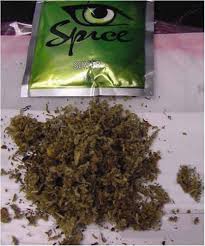
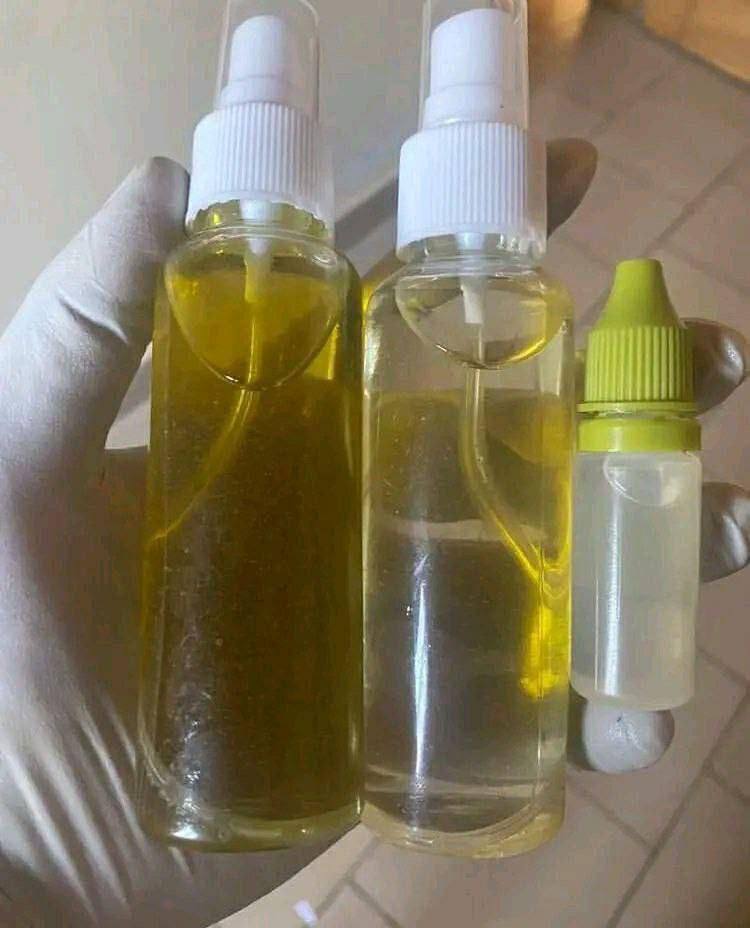
Synthetic cannabinoids—commonly referred to as K2, Spice, or K2 spray—are laboratory-engineered chemicals sprayed onto plant matter or vaporized. While often mistakenly grouped with natural cannabis, synthetic cannabinoids interact with the brain and body in fundamentally different, far more intense ways.
If you or someone you care about has used K2 spray and wants to clear it from their body, it is essential to understand how your body metabolizes these chemicals, what actually works (and what doesn’t), and how to manage detox safely.
1. What Happens When K2 Spray Enters Your Body?
Unlike natural THC (Δ9-tetrahydrocannabinol), which acts as a partial agonist at CB1 receptors in the central nervous system, synthetic cannabinoids are full agonists. They bind with up to 100 times greater potency to the brain’s cannabinoid receptors.
┌─────────────────────────────┐        ┌──────────────────────────────┐
│        Natural THC          │        │    Synthetic Cannabinoid     │
│   (Partial CB1 Agonist)     │        │      (Full CB1 Agonist)      │
└──────────────┬──────────────┘        └──────────────┬───────────────┘
               │                                      │
       Moderate Activation                   Hyper-Activation
               │                                      │
   Standard Metabolism Window             Rapid, Unpredictable
                                            Metabolic Strain
Metabolism & Elimination Routes
Once inhaled or ingested, K2 compounds undergo a specific metabolic journey:
- Liver Metabolism: Hepatic enzymes (primarily cytochrome P450 enzymes) rapidly break down the parent chemicals into secondary metabolites.
- Lipid Distribution: Because these synthetic compounds are lipophilic (fat-soluble), excess metabolites temporarily store in adipose (fat) tissue, similar to natural cannabinoids.
- Renal & Gastrointestinal Excretion: Metabolic byproducts are excreted through urine and feces over the following hours and days.
2. Detection Windows and Clearance Timelines
Because “K2 spray” isn’t a single chemical, but rather thousands of shifting chemical structures (e.g., JWH, AM, or PB series compounds), clearance rates vary significantly.
| Detection Method | Typical Window (Single Use) | Typical Window (Heavy/Chronic Use) |
|---|---|---|
| Saliva / Oral Fluid | 6 – 24 hours | 24 – 48 hours |
| Blood / Plasma | 12 – 24 hours | Up to 48 hours |
| Urine Testing | 1 – 3 days | 5 – 7+ days |
| Standard Workplace Panels | Not Detected (Requires specialized panel) | Not Detected |
Note on Testing: Standard SAMHSA-5 or routine workplace drug tests screen for natural THC metabolites (THC-COOH). They do not detect most synthetic cannabinoids unless a specialized, high-cost liquid chromatography-mass spectrometry (LC-MS) panel is ordered specifically for synthetic compounds.
3. Myth-Busting: What Doesn’t Work (And Can Be Dangerous)
Commercial “detox kits,” “flush drinks,” and extreme home remedies promise fast results, but they carry significant health risks and lack scientific backing:
- Over-Hydrating (Water Intoxication): Chugging gallons of water within a short window does not speed up liver metabolism. It risks hyponatremia (dangerously low blood sodium levels), which causes brain swelling and cardiac distress.
- Detox Tea / Commercial Flush Kits: Most over-the-counter detox kits contain harsh diuretics or massive doses of vitamins (like Niacin/B3) that strain the kidneys and liver—the very organs trying to process the synthetic compounds.
- Extreme Sauna or Sweating Sessions: While sweating removes minimal trace water-soluble toxins, extreme heat causes rapid dehydration and electrolyte imbalances, elevating cardiovascular strain.
4. Evidence-Based Ways to Support Natural Elimination
The only organ system capable of clearing synthetic cannabinoids is your liver and kidneys operating at peak health. The real goal of detox is supporting your body’s innate clearance pathways safely.
A. Strategic Hydration & Electrolytes
- Fluid Intake: Drink 2.5 to 3.5 liters of fluids daily (water, clear broths, herbal teas).
- Electrolyte Balance: Include potassium and sodium (coconut water or electrolyte solutions) to maintain fluid balance and prevent renal overwork.
B. Hepatic & Renal Support (Nutrition)
- Cruciferous Vegetables: Broccoli, Brussels sprouts, and cabbage contain sulforaphane, which supports Phase II liver detoxification pathways.
- Antioxidant-Rich Foods: Berries, dark leafy greens, and citrus fruit help mitigate oxidative stress caused by synthetic chemical exposure.
- Lean Protein: Amino acids (such as cysteine and glycine) are required for glutathione synthesis—the body’s primary antioxidant in the liver.
C. Gentle Exercise & Fat Clearance
- Cardiovascular Movement: Moderate activity (30–45 minutes of daily walking or light jogging) promotes circulation and mobilizes fat-stored metabolites once acute symptoms subside.
- Avoid High-Intensity Workouts Initially: Avoid extreme physical stress during the first 48 hours to minimize stress on the heart and cardiovascular system.
D. Sleep & Brain Clearance
During deep sleep, the brain’s glymphatic system flushes out metabolic waste products. Aim for 7−9 hours of restful sleep per night to assist neurological recovery.
5. Managing Synthetic Cannabinoid Withdrawal
Because synthetic cannabinoids are high-potency CB1 agonists, abrupt cessation often causes noticeable physical and psychological withdrawal symptoms starting within 24 to 48 hours:
Timeline of K2 Withdrawal Symptoms
┌─────────────────────────────────────────────────────────────┐
│ 0 - 24 Hours  : Anxiety, sweating, nausea, elevated pulse   │
│ 24 - 72 Hours : Peak agitation, insomnia, severe cravings  │
│ Days 4 - 7    : Gradual resolution of physical symptoms     │
└─────────────────────────────────────────────────────────────┘
- Nausea & Appetite Suppression: Eat small, bland meals (crackers, rice, bananas, broth) and remain sip-hydrated.
- Sleep Disturbances: Practice strict sleep hygiene—avoid screens 1 hour before bed, maintain a cool, dark room, and consider herbal calming teas (chamomile or valerian).
- Agitation & Mood Swings: Deep breathing exercises, light stretching, and reduced sensory stimulation help calm an overactive nervous system.
6. Critical Medical Warning: When to Seek Immediate Emergency Care
Synthetic cannabinoids carry a risk of unpredictable organ toxicity, psychiatric episodes, and cardiac complications. Seek immediate medical evaluation if you or anyone else experiences:
- Chest pain, pressure, or a heart rate exceeding 120 bpm at rest
- Seizures, tremors, or loss of consciousness
- Severe confusion, extreme paranoia, hallucinations, or psychotic thoughts
- Persistent severe vomiting, flank/back pain, or inability to keep fluids down (signs of acute kidney injury)
- Thoughts of self-harm or harming others
Medical detox centers and emergency rooms provide supportive care—such as IV fluids, anti-emetics, and temporary calming medications—to safely stabilize your vital signs and protect kidney function during acute withdrawal.