Table of Contents
Introduction: A Substance Hiding Behind Misleading Labels
Despite the innocent-sounding names and the “natural” marketing language, K2 spray and synthetic cannabinoids as a category represent one of the most unpredictable and documented dangerous drug classes to emerge in the past two decades. Marketed persistently as a “safe legal alternative to marijuana,” K2 is, in the words of medical professionals and public health authorities, anything but.
Between January and August 2025 alone, New York City’s Health Department recorded at least nine unintentional drug overdose deaths where synthetic cannabinoids were the only substance identified — a stark increase from two such deaths in all of 2024. Emergency departments across the country continue to see patients presenting with seizures, psychosis, cardiac arrhythmias, kidney failure, and strokes following K2 use.
This guide is a public health resource. Its goal is to clearly explain what K2 spray actually is, where it came from, why it is so much more dangerous than natural cannabis, what it does to the body, who is most at risk, and where people can find help if they or someone they love is struggling with K2 use.
Understanding this substance accurately — without either sensationalism or minimization — is the first step toward making safer choices and protecting vulnerable people in our communities.
1. What Is K2 Spray? Cutting Through the Confusion
To be precise: K2 is not marijuana, does not contain marijuana, and is not derived from the cannabis plant. The plant material it’s sprayed onto is typically inert — dried herbs, shredded plant matter, or sometimes even artificial material. The plant itself contributes nothing meaningful to the drug’s effects. The psychoactive chemicals are entirely synthetic, created in laboratories, and then applied to a plant base to create the appearance of a natural herbal product.
Synthetic cannabinoids are designer drugs in which incense or other leafy materials are sprayed with lab-synthesized liquid chemicals to mimic the effect of tetrahydrocannabinol (THC), the psychoactive ingredient in the naturally grown cannabis sativa plant. There is no actual marijuana plant in synthetic cannabinoids; however, the action of the chemicals still takes effect on the cannabinoid receptors in the brain.
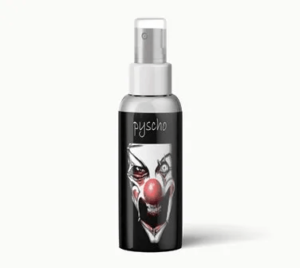
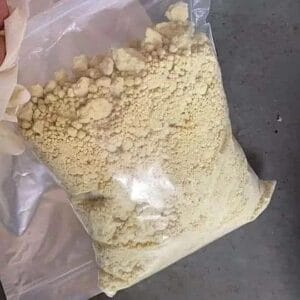
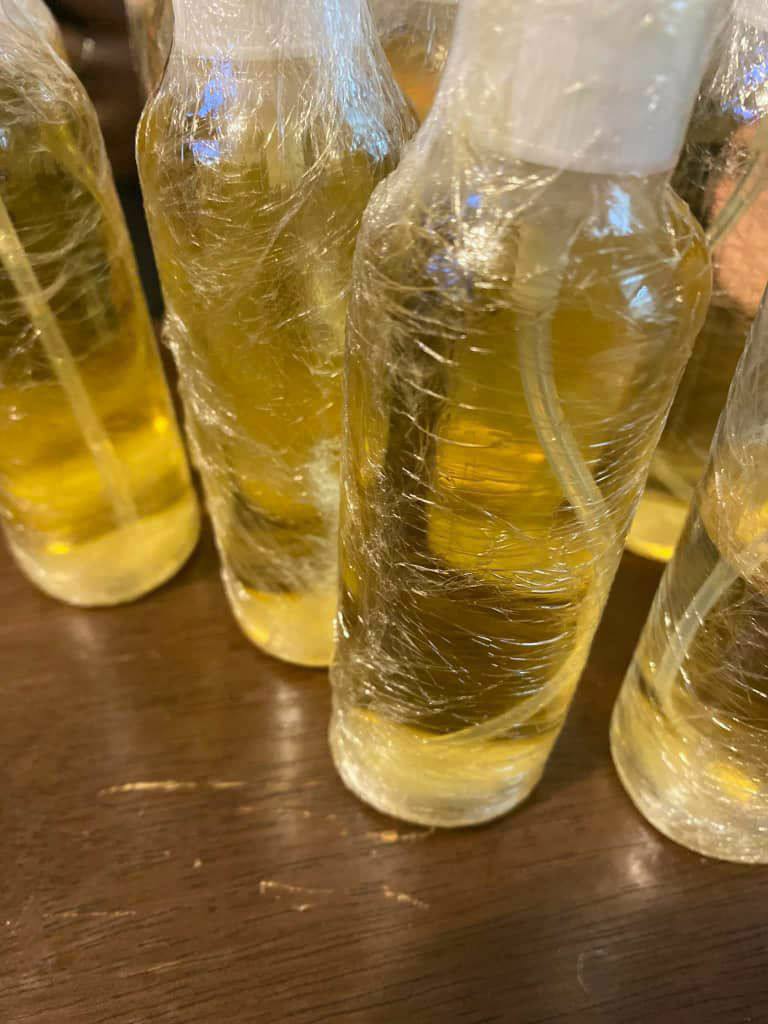
The term “K2 spray” typically refers either to the liquid chemical solution used in the manufacturing process, or to the finished product — dried herb that has been sprayed with synthetic cannabinoid chemicals and packaged for sale. Some formulations are also sold in pure liquid form for use in electronic cigarettes or vaporizers.
The labeling “not for human consumption” is not a safety warning — it is a legal strategy. These products are labeled “not for human consumption” to mask their intended purpose and avoid Food and Drug Administration (FDA) regulatory oversight of the manufacturing process. Manufacturers know exactly how their products are used.
2. The Surprising Origin Story: How K2 Escaped the Lab
The story of K2 begins not with drug dealers but with a university chemistry professor trying to advance cancer research.
John W. Huffman is a retired organic chemistry professor from Clemson University. His role in the synthetic drug market began in the early 1990s. Biochemists had recently discovered the cannabinoid receptor — which, in addition to getting pot smokers high, seemed to be involved with sleep, appetite, and pain, meaning a whole new horizon of potential medicines. Huffman’s job was to synthesize brand new chemical compounds to trigger the receptor, which would then be tested on rodent brains to measure their effects. Huffman and his colleagues eventually created more than 300 new compounds.
One of those compounds was JWH-018 — JWH being Huffman’s initials. Published in a research paper in the mid-1990s and described again in 2005, the compound was intended purely as a research tool, a way to study how the endocannabinoid system functions. It was never intended for human consumption. It was never tested for safety in humans. It was never approved by any regulatory body as safe for any use.
That simplicity is part of what makes synthetic cannabinoids so persistent as a public health problem. Once the chemical blueprints are published in scientific literature, underground chemists can reproduce and modify them with relative ease — creating hundreds of new variants faster than regulators can respond.
Recreational use of synthetic cannabinoids first spiked in Europe during the mid-2000s, then made its way to the United States by the early 2010s. What began as a chemistry professor’s research tool had, within a decade, become a global public health crisis.
3. How K2 Spray Is Made: What’s Actually in It
Understanding the manufacturing process explains much of why K2 is so dangerous.
This manufacturing process creates several critical safety problems:
Uneven chemical distribution: The spraying process does not coat plant material evenly. This means one part of a packet may have very little active chemical, while another part may have a highly concentrated “hot spot.” A user who encounters a hot spot in their dose can experience toxicity symptoms that another user drawing from a less concentrated portion would not.
Unknown and changing chemical composition: Chemical components of each packet of synthetic cannabinoids are highly variable, which makes them very difficult to track, monitor, and continue to render illegal. Users never really know what they’re consuming when they opt to smoke products containing K2. This includes the kinds of chemicals they’re ingesting as well as the strength of such chemicals.
Contamination: K2 products have been found to contain substances never intended to be in them, including heavy metals, fentanyl analogues in some cases, and other toxic compounds introduced through contaminated chemical supplies or deliberate adulteration.
Constant reformulation: Every time a specific synthetic cannabinoid is scheduled by the DEA or banned by a state, manufacturers simply alter the molecular structure slightly to create a technically new, temporarily legal compound — and the cycle continues. In 2014, there were over 150 synthetic cannabinoids known to scientists, and the list was continually growing. In 2015 alone, the National Forensic Laboratory Information System identified 84 new synthetic cannabinoids.
4. Why K2 Is Nothing Like Natural Cannabis
The single most dangerous misconception about K2 is that it is essentially equivalent to marijuana — just in a different form. This comparison is deeply misleading and has contributed to countless emergency room visits and deaths.
Potency difference: Despite being marketed as a safe alternative to marijuana, synthetic cannabinoids like Spice and K2 can be up to 100 times more potent than natural cannabis and cause severe, life-threatening reactions that emergency rooms struggle to treat.
No modulating compounds: Natural cannabis contains hundreds of compounds — CBD, terpenes, and other cannabinoids — that interact with and modulate the effects of THC, creating what researchers call the “entourage effect.” This complex chemical ecology helps limit the ceiling of THC’s effects in natural cannabis. K2 contains no such moderating compounds — just the synthetic chemical, at full, unmodulated potency.
No established safe dose: Cannabis has millennia of human use, substantial clinical research, and a well-understood dose-response curve. K2 compounds are so new, so varied, and so poorly studied that no safe human dose has ever been established for most of them.
No antidote exists: Perhaps most critically for medical professionals: unlike opioid overdoses, naloxone (Narcan) does not reverse synthetic cannabinoid toxicity, underscoring that such cases can be more complex than opioid-related crises. Emergency physicians facing a K2 overdose have limited treatment options beyond supportive care.
5. Short-Term Effects and Medical Emergencies
The short-term health consequences of K2 use range from unpleasant to life-threatening, and critically, they are largely unpredictable. A dose that produces mild effects one time may cause a medical emergency the next — from the same product, or from a different packet with different chemical content.
Short-term effects reported by users and documented medically:
In more detail, documented acute medical complications include:
- Cardiovascular: Rapid, irregular heartbeat (tachycardia and arrhythmia); dangerously elevated blood pressure; chest pain; in serious cases, heart attack in otherwise healthy young people
- Neurological: Seizures; stroke; severe tremors; loss of consciousness; confusion and disorientation
- Respiratory: Difficulty breathing; respiratory depression in severe cases
- Gastrointestinal: Repeated, uncontrollable vomiting
- Psychiatric: Intense paranoia and anxiety; hallucinations (visual and auditory); acute psychosis including delusions; suicidal ideation; violent or self-harming behavior with no memory afterward
- Renal: Acute kidney injury has been documented, particularly in cluster outbreak events where multiple users of the same product batch were affected simultaneously
- Behavioral: Extremely violent or erratic behavior that the user may not be able to control or remember
Serious medical complications can occur even after a single use, including chest pain, difficulty breathing, kidney failure, seizures, and stroke. These effects may happen suddenly and require emergency medical attention.
This last point deserves emphasis: a first-time user is not protected from serious medical consequences. Severe complications have occurred in people who had no prior history of K2 use and used the drug only once.
6. Long-Term Health Consequences
Persistent psychiatric symptoms: Multiple case reports document individuals who developed prolonged psychotic symptoms — lasting weeks to months — following K2 use. In some cases, these symptoms required inpatient psychiatric treatment and did not fully resolve. The question of whether K2 can trigger permanent psychiatric conditions in vulnerable individuals remains an active area of medical concern.
Neurological damage: Repeated exposure to compounds that bind so aggressively to cannabinoid receptors in the brain is believed by researchers to carry the risk of lasting neurological changes, including effects on memory, executive function, and emotional regulation.
Cardiovascular damage: Repeated cardiac stress from tachycardia and hypertension episodes carries cumulative risk, particularly for people with pre-existing cardiovascular vulnerabilities.
Unknown risks from novel compounds: According to the Drug Enforcement Administration (DEA), K2 stays in a person’s system for a long time, and the long-term effects of the drug are still not fully known. This is not reassuring language — it is an admission that we genuinely do not yet understand the full scope of what chronic K2 use does to the human body, because the compounds are too new and too varied for comprehensive long-term study.
7. Psychological and Mental Health Risks
The psychiatric risks of K2 warrant separate, focused attention because they are among the most severe and least understood consequences of synthetic cannabinoid use.
Synthetic cannabinoids appear to carry a substantially higher risk of psychosis than natural cannabis — itself a substance associated with increased psychosis risk in vulnerable individuals. Full agonist activity at CB1 receptors in the brain regions associated with dopamine regulation is believed to be responsible for the particularly severe psychiatric presentations seen in K2 users.
Documented psychiatric consequences include:
- Acute psychosis: Users can experience breaks from reality — believing things that are not true, seeing and hearing things that aren’t there, behaving in bizarre or dangerous ways — with no awareness that their perceptions are abnormal.
- Suicidal ideation and attempts: Multiple documented cases exist of K2-associated suicide attempts and completions, both during acute intoxication and in the days following use.
- Violent behavior: K2-associated violence, both self-directed and toward others, is well-documented. Users in acute psychotic states have committed acts of violence with no recollection afterward.
- Prolonged anxiety and depression: Even after the acute effects wear off, many users experience extended periods of anxiety, depression, and emotional dysregulation.
- Potential triggering of latent conditions: There is concern that K2 use may trigger or accelerate the onset of schizophrenia and other psychotic disorders in individuals with genetic predispositions.
K2 may be used to cope with emotional pain, trauma, or the effects of other mental or physical health conditions, similar to alcohol and other substances. This creates a cruel cycle: people with pre-existing mental health vulnerabilities may be drawn to K2 as a coping mechanism, yet K2 is precisely the substance most likely to worsen those vulnerabilities.
8. Who Is Most at Risk? Demographics and Vulnerability
Young people: 78% of K2/Spice-related emergency room visits were adolescents and young adults ages 12–29. Young people are disproportionately affected for several reasons: accessibility (K2 was historically sold legally in stores), peer influence, the developing brain’s particular vulnerability to psychoactive substances, and the misconception that “legal” means “safe.”
Males: According to a report from the Centers for Disease Control and Prevention (CDC), among all 456 synthetic cannabinoid intoxication cases studied, 83.1% of patients were male.
People experiencing homelessness: K2 outbreaks have repeatedly been associated with homeless populations in urban areas, where the substance is accessible and inexpensive. New York City’s sustained K2-related emergency surge in 2024–2025 has been concentrated in specific neighborhoods with higher rates of homelessness and economic hardship.
People in low-income communities: K2 is cheap and found in many corner stores, making the substance extremely accessible to individuals in areas with more socioeconomic challenges. The low cost of K2 relative to cannabis or other substances makes it particularly accessible in economically marginalized communities.
People subject to drug testing: The popularity underlying synthetic cannabinoid use has been attributed to their potent effects and the fact that they are less detectable than cannabis by routine drug tests. People on probation, in certain employment situations, or in other contexts requiring drug testing may use K2 specifically because standard panels don’t detect it — without realizing the severe health risks they’re accepting.
9. K2 and Addiction: What You Need to Know
The question of whether K2 is addictive is answered clearly in the medical literature: yes.
Synthetic cannabinoids like Spice and K2 can be addictive. People who use them regularly may develop dependence and experience withdrawal symptoms if they suddenly stop. Common withdrawal effects include anxiety, depression, headache, and irritability.
More severe withdrawal symptoms documented in clinical settings include intense cravings, severe insomnia, profuse sweating, muscle pain, palpitations, tremors, and in serious cases, seizures. Some people who sought treatment reported that synthetic cannabinoids “took over their lives both interpersonally and intrapersonally. It hijacked their personalities and made them addicted.”
Withdrawal from K2 is complicated by the same factor that makes the drug itself so dangerous: chemical variability. Since the formula for K2/Spice is constantly being tweaked and production is not monitored, there is still a chance for more severe and dangerous withdrawal side effects that are unknown.
This unpredictability makes medically supervised detoxification strongly advisable. Trying to withdraw from K2 without medical support carries risks that are genuinely difficult to predict.
10. The Legal Landscape: Is K2 Actually Legal?
The legal status of K2 in the United States is complex, constantly changing, and widely misunderstood — misunderstanding that has cost lives.
Since 2010, synthetic cannabinoids have been classified by the United States Drug Enforcement Agency (DEA) as Schedule I drugs, meaning they have no accepted medical use and a high potential for abuse.
However, the DEA’s ability to schedule these substances is perpetually challenged by the speed of molecular modification. When a specific compound is scheduled, manufacturers alter one or two atoms of the molecular structure to create a technically different compound — which may not yet be covered by the scheduling order. This cat-and-mouse dynamic has played out for over a decade.
The critical consumer understanding here is this: “legal” does not mean “safe.” A synthetic cannabinoid compound may be technically legal at a given moment simply because regulators have not yet scheduled it — not because it has been tested, reviewed, or found safe. The marketing language “legal high” has been one of the most dangerous and misleading phrases in the history of recreational drug use.
11. Why K2 Is So Hard to Regulate and Track
Public health officials and law enforcement face a particularly difficult challenge with synthetic cannabinoids — one worth understanding to appreciate why this problem persists despite years of regulatory effort.
Molecular modification outruns regulation: Each time a compound is banned, a chemist can modify it slightly and have a new, technically legal substance on the market within weeks. Regulators attempting to ban individual compounds are essentially playing whack-a-mole against an enemy that can evolve faster than the legislative process.
Detection difficulty: The unpredictability of synthetic cannabinoid strains’ chemical composition means that drug tests and toxicology screenings can’t detect them. Standard urine drug screens test for THC metabolites — which K2 does not produce. Specialized testing exists but requires knowing which specific synthetic cannabinoid to test for, and new compounds appear faster than testing panels can be updated.
Varied points of origin: According to CBP, many synthetic cannabinoid and cathinone products originate overseas. The chemical precursors and finished synthetic cannabinoids often travel through complex international supply chains that are difficult to interdict.
Inconsistent state law: While the federal government has scheduled many synthetic cannabinoids, state laws vary, creating a patchwork of regulations that leaves gaps exploited by manufacturers and distributors.
12. The Current Crisis: 2024–2026 Emergency Data
The K2 problem has not diminished with awareness — it has evolved and, in some areas, intensified.
Data shows an alarming 50% increase in K2 use across the United States, rising from 0.17% in 2021 to 0.26% in 2023. According to a May 2025 scientific market report and analysis, synthetic cannabinoids represent one of the fastest-growing classes of new psychoactive substances.
New York City has been particularly hard-hit in the most recent period. The NYC Health Department has seen an increased number of emergency department visits and deaths related to synthetic cannabinoids. Synthetic cannabinoid-related emergency department visits increased citywide from October 2024 through May 2025, and remain elevated among residents of Highbridge-Morrisania, Central Harlem-Morningside Heights, and Southeast Queens. Between January and August 2025, there were at least nine unintentional drug overdose deaths that involved synthetic cannabinoids and no other substances.
The NYC Health Department issued a formal Health Alert to medical providers in October 2025, noting that these deaths represented a significant increase from just two synthetic cannabinoid-only deaths in all of 2024 — a more than fourfold increase in the death rate within a single year, in a single city.
These numbers reflect documented, confirmed deaths — the full scale of K2-related harm, including non-fatal hospitalizations, chronic health consequences, and deaths where K2 was present alongside other substances, is substantially larger.
13. What to Do in a K2 Emergency
If someone around you is experiencing what appears to be a K2 overdose or severe reaction, knowing how to respond can save their life.
Call 911 Immediately If the Person:
- Is unconscious or unresponsive
- Is having a seizure
- Is experiencing severe chest pain or difficulty breathing
- Is behaving violently in a way that is dangerous to themselves or others
- Has lips or fingernails turning blue
- Cannot be roused or woken
While Waiting for Emergency Services:
- Keep the person as calm as possible and minimize stimulation — loud noise and bright lights can worsen agitation
- If unconscious and breathing, place them in the recovery position (on their side) to prevent choking
- Do not leave them alone
- Do not give them food, water, or any other substance
- Be honest with emergency responders about what substance was used — this information can be life-saving and will not result in legal consequences for the person in crisis in most jurisdictions with Good Samaritan laws
Important Medical Note:
Unlike opioid overdoses, naloxone (Narcan) does not reverse synthetic cannabinoid toxicity. However, if it is unclear whether opioids are also involved, Narcan should still be administered when suspected — it will not cause harm if opioids aren’t present, and could save a life if they are.
NYC Poison Control Center: 212-POISONS (212-764-7667) National Poison Control: 1-800-222-1222 Emergency: 911
14. Finding Help: Treatment and Recovery Options
If you or someone you care about is struggling with K2 use, the most important message is straightforward: recovery is possible, and professional help makes it significantly safer and more achievable.
Why Professional Help Matters for K2 Specifically
Because K2 withdrawal can be physically severe and psychologically intense — and because the chemical composition of what was used is often unknown — attempting to stop without medical support carries genuine risks. A study found that many people in recovery responded well to medication. Benzodiazepines, such as diazepam and lorazepam, are now considered to be a first-line treatment for K2 or spice withdrawal. These medications can only be safely administered in a medical setting.
Treatment Options
Medical detoxification: The first stage of formal treatment, supervised detox allows medical professionals to manage withdrawal symptoms, monitor for complications, and intervene quickly if problems arise. Detox is the first step in treating synthetic marijuana addiction. Medical professionals provide support to ease withdrawal symptoms and address complications. Detoxing in a treatment facility offers a safe place to stabilize and begin recovery.
Inpatient rehabilitation: Residential treatment programs provide 24/7 support, structured programming, and a safe environment away from the triggers and access points associated with use. These are particularly appropriate for people with severe dependence, co-occurring mental health conditions, or unstable living situations.
Outpatient programs: For those with less severe dependence or strong support systems, outpatient programs including Partial Hospitalization Programs (PHPs) and Intensive Outpatient Programs (IOPs) provide structured treatment while allowing people to maintain some daily routines.
Behavioral therapy: After detox, individuals participate in counseling and behavioral therapies, such as Cognitive Behavioral Therapy (CBT), to address the underlying issues contributing to their addiction. CBT helps people identify the thought patterns and emotional triggers associated with use, and develop healthier coping strategies.
Peer support: Support groups, both in-person and online, provide community and accountability. While no K2-specific peer support network equivalent to Narcotics Anonymous exists, NA meetings address synthetic cannabinoid use as part of their broader scope.
Key Resources
- SAMHSA National Helpline: 1-800-662-4357 (free, confidential, 24/7, in English and Spanish)
- SAMHSA Treatment Locator: findtreatment.gov
- Crisis Text Line: Text HOME to 741741
- National Alliance on Mental Illness (NAMI): 1-800-950-6264
- 988 Suicide and Crisis Lifeline: Call or text 988
15. Final Thoughts: The Danger Behind the Packaging
K2 spray is one of the most consequential examples of a product that was made to look safe and legal while being neither. From the cheerful packaging with cartoon characters and bright colors, to the “herbal incense” labeling, to the “natural ingredients” marketing language, every design decision around K2 products has been engineered to create false reassurance.
The reality that sits behind that packaging is a chemical cocktail of compounds that have never been tested in humans, produced without quality control, distributed without accountability, and capable of causing seizures, psychosis, kidney failure, stroke, and death — sometimes on first use, sometimes in people who believed they were using a harmless legal substance.
Behind the brightly colored packaging and misleading labels lies a potent mix of chemicals that can trigger severe addiction, life-threatening side effects, and unpredictable behaviors.
The most protective thing any person can do — for themselves or someone they care about — is understand this reality clearly. K2 is not a milder marijuana. It is not a safe legal high. It is not a sensible choice for recreation or self-medication. It is an uncontrolled chemical experiment being conducted on human beings who often have no idea what they’re actually consuming.
Public awareness, honest education, and accessible treatment resources are the tools we have to reduce the harm this substance causes. We hope this guide contributes to all three.
Frequently Asked Questions
Q: Can K2 kill you the first time you use it? Yes. Documented cases exist of fatal and near-fatal outcomes following a single use of K2. Because potency and chemical composition vary unpredictably between products and even within the same packet, no use can be considered “safe.”
Q: Why don’t drug tests detect K2? Standard drug tests look for THC metabolites — which K2 does not produce. Specialized testing panels for synthetic cannabinoids exist but must be specifically ordered and require knowing which compound to test for. The constantly changing chemical composition of K2 products makes comprehensive testing practically difficult.
Q: Is K2 the same as CBD or hemp products? No. K2/synthetic cannabinoids are entirely unrelated to CBD (cannabidiol) or hemp. CBD and hemp are natural cannabis-derived compounds. K2 contains no natural cannabis and no CBD.
Q: Can someone overdose on K2? Yes. K2 toxicity sufficient to cause life-threatening medical emergencies is well-documented, including seizures, cardiac arrhythmias, respiratory depression, and stroke. Whether these events are called “overdoses” or “toxic reactions,” their severity and lethality are real.
Q: What should I tell emergency responders if someone has used K2? Tell them honestly what you know — that the person used K2 or synthetic cannabinoids, what it looked like, how it was used, and approximately when. This information helps medical staff provide appropriate care. In most U.S. states, Good Samaritan laws protect people who call for help for a drug overdose from prosecution for their own drug use.
This article is a public health information resource intended to support awareness, harm reduction, and access to treatment. It does not constitute medical advice. If you are experiencing a medical emergency, call 911 immediately. For substance use support, contact SAMHSA’s National Helpline at 1-800-662-4357.