When individuals search for answers to questions like How Much K2 Spray Should I Use?, they are typically looking for a standard dosing guide or a safe usage metric. However, when dealing with unregulated synthetic cannabinoids—commonly distributed in a k2 spice spray bottle or a generic k2 spray bottle—the clinical and scientific reality is that there is no safe dose or predictable amount.
Unlike natural cannabis, which interacts predictably with the human body, products marketed as k2 spice spray, k2sprays, or code red k2 spray consist of volatile, ever-changing research chemicals. Trying to figure out an appropriate amount to handle or consume is an inherently dangerous gamble.
The Scientific Reason Why K2 Spray Cannot Be Dosed Safely
The fundamental problem with calculating a safe answer to how much K2 spray should I use? lies in how these substances are manufactured.
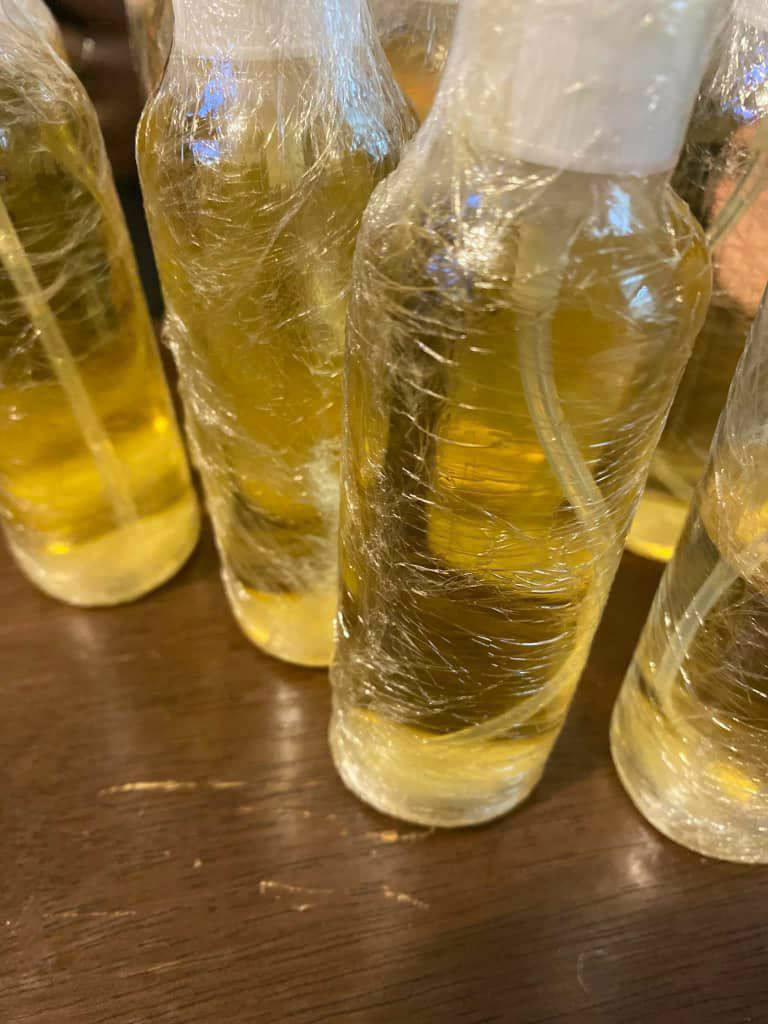
K2 is not a natural plant; it is a mixture of industrial chemical compounds synthesized in unregulated underground laboratories. These raw chemicals are dissolved in solvents like acetone or industrial-grade alcohol and poured into a k2 spray bottle. This liquid is then applied to dried plant leaves or paper materials, such as k2 spice spray on letter sheets, to be dried and sold.
Because this process lacks any pharmaceutical quality control, it creates two major hazards:
1. The Lethal “Hot Spot” Phenomemon
When a liquid chemical is hand-sprayed onto plant matter or paper, it does not distribute evenly. One section of the material might absorb a minuscule amount of the chemical, while an adjacent section might absorb a highly concentrated, lethal dose. This uneven distribution makes consistent dosing impossible.
2. Unknown Chemical Structures
How Synthetic Cannabinoids Impact the Brain and Body
To truly understand the risks of searching out ways to buy k2 spray or looking for a k2 spice spray bottle nearby, it helps to look at the pharmacology of these compounds compared to natural $THC$.
Natural cannabis contains partial agonists, meaning they bind to the brain’s cannabinoid ($CB_1$ and $CB_2$) receptors but only activate them up to a specific limit. Synthetic cannabinoids are full agonists. They bind with absolute affinity, completely overwhelming the brain’s receptors and triggering profound, chaotic systemic reactions throughout the central nervous system and cardiovascular system.
Documented Medical Emergencies from K2 Use:
- Cardiovascular Collapse: Severe tachycardia (heart rates exceeding 150 beats per minute), extreme hypertension, acute chest pains, and myocardial infarction (heart attacks) in otherwise healthy individuals.
- Severe Neurological Distress: Sudden, uncontrollable grand mal seizures, severe tremors, altered states of consciousness, and prolonged comas.
- Acute Psychosis: Intense, violent paranoia, vivid visual and auditory hallucinations, profound panic attacks, and severe cognitive disorganization.
- Acute Kidney Injury (AKI): Direct cellular toxicity that causes sudden renal failure, often requiring immediate emergency dialysis to clean toxins from the blood.
Banned Substances and Legal Consequences
Many online searches focus on transactional intent, such as trying to buy k2 spice spray or looking for online distribution channels. It is a critical legal reality that these compounds are heavily prosecuted under federal and state statutes.
In the United States, the Drug Enforcement Administration (DEA) classifies the vast majority of synthetic cannabinoids as Schedule I Controlled Substances. This classification means they are entirely illegal to manufacture, sell, import, or possess.
Frequently Asked Questions (FAQs)
What is the standard dose of K2 spray?
There is no standard or safe dose for K2 spray. Because synthetic cannabinoids are produced in unregulated environments without quality control, concentrations vary completely from batch to batch. A single drop can contain highly concentrated chemical variants capable of causing immediate organ failure or severe cardiac events.
Why is K2 spray called a “full agonist”?
Can K2 spray be washed off or diluted?
No. Once synthetic cannabinoid chemicals are sprayed onto botanical materials or infused into paper (such as letters), they bond tightly to the fibers. They cannot be reliably washed off, diluted, or made safe to handle, and the chemical residue remains highly toxic and hazardous.