Introduction
If you have seen the phrase “K2 paper sheet” in a news story, a prison policy document, a school safety bulletin, or a worried parent’s forum post, you are probably wondering what it means. The name sounds almost harmless, like a stationery product or a craft supply. In reality, K2 paper is one of the most dangerous and least understood forms of synthetic drug in circulation today.
This guide explains what K2 paper sheets are, where the term comes from, why the drug is delivered this way, what it does to the human body, and why it has become a serious problem in correctional facilities and beyond. It also covers the legal picture, how institutions try to detect it, how to recognize an emergency, and where to find help.
This article is informational and focused on awareness and harm prevention. It does not cover how the product is made, and it never will. The goal is to help parents, educators, correctional staff, healthcare workers, and curious readers understand a real public health issue.
What Is K2 Paper Sheet?
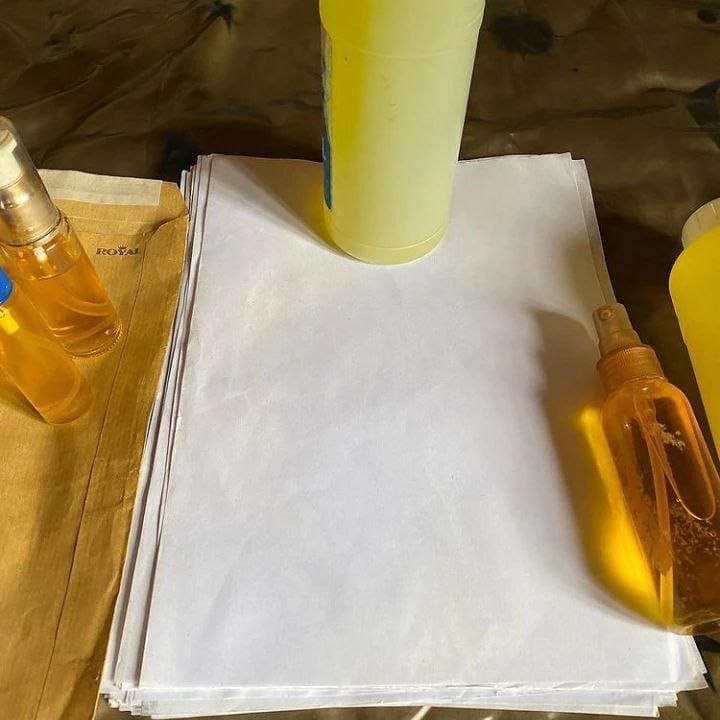
K2 paper, also called “spice paper,” “synthetic cannabinoid paper,” or simply “K2 sheets,” is ordinary paper that has been saturated with a synthetic cannabinoid drug. The paper itself is not special. It might be a sheet from a notebook, a page torn from a magazine or book, a greeting card, or a piece of artwork. What makes it dangerous is the chemical it has been soaked in and then dried.
Once dry, the paper looks and feels normal. It may carry a faint chemical smell or a slightly stiff texture, but often it is indistinguishable from untreated paper. A drawing sent in a letter, a page of a paperback, or a children’s coloring sheet can all be carriers.
The drug is then used in one of a few ways, depending on the person: the paper may be smoked, torn into small pieces and burned, or in some cases chewed or eaten. All of these are dangerous, and none can be done safely, because the amount of drug in any given piece of paper is unknown.
The term “K2” has become a catch-all label for a family of drugs rather than a single substance. Two sheets of K2 paper from the same source can contain very different amounts of different chemicals.
Where the Name “K2” Comes From
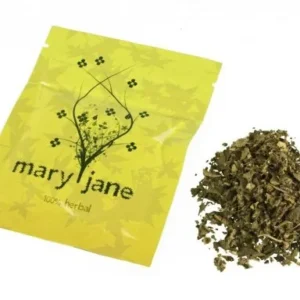
The name’s origin is a bit of marketing history. K2 is the second-highest mountain in the world, notoriously difficult and deadly to climb. In the late 2000s, “K2” and “Spice” became brand names for herbal smoking blends sold in head shops, gas stations, and online. These products were packaged in colorful foil bags with labels like “incense” or “potpourri” and the disclaimer “not for human consumption.”
The herbs in the bags were mostly harmless plant material. The active ingredient was a lab-made chemical sprayed onto the leaves. Marketers sold the products as a “legal high,” a substitute for cannabis that would not show up on standard drug tests. The brand name K2 stuck, and it is now used generically for nearly any synthetic cannabinoid product, whether it comes as herbal mix, liquid, or paper. The Drug Enforcement Administration’s explanation of K2 and Spice provides additional background.
Calling these products “synthetic marijuana” is a significant part of the problem. The name suggests they are a milder, lab-made version of cannabis. They are not. While they act on some of the same receptors in the brain, their effects can be far stronger, far less predictable, and far more dangerous.
A Short History of Synthetic Cannabinoids
Synthetic cannabinoids were not originally invented as street drugs. In the 1980s and 1990s, academic researchers developed compounds to study the body’s endocannabinoid system, the network of receptors involved in mood, appetite, pain, and memory. Some of these compounds were meant to help scientists understand how cannabis works and whether new medicines could be developed.
By the mid-2000s, some of these research chemicals had found their way into recreational products in Europe, then in the United States. Early blends were sold openly, and for a time they were legal because the specific chemicals were not yet listed in drug laws.
That created a cat-and-mouse game that continues today. Authorities ban a specific compound, and producers modify its molecular structure slightly to create a new compound that is not yet covered. Hundreds of different synthetic cannabinoids have been identified over the years. Many have never been tested in humans, so no one knows their effects until people are harmed.
Why Paper? The Smuggling Problem
The rise of K2 paper is closely tied to correctional facilities. Prisons and jails are tightly controlled environments, and contraband is a persistent concern. Traditional drugs are bulky, have a distinctive smell, and can be found by searches or dogs. Synthetic cannabinoids have several properties that make them attractive to smugglers:
- They are potent in small amounts. A tiny quantity of the chemical can affect many users.
- They are lightweight and flat. Paper can be mailed inside envelopes, folded into books, or disguised as legal correspondence, children’s drawings, or greeting cards.
- They are hard to detect. Standard drug tests used in many facilities do not screen for most synthetic cannabinoids, and dogs are not always trained to alert on them.
- They are profitable. Within a prison economy, a small piece of paper can be worth far more than its street value.
Because of this, many correctional systems have changed their mail policies. Several states and counties now photocopy incoming letters instead of delivering originals, ban greeting cards and handmade drawings, or route books only through approved vendors. These policies can frustrate families trying to stay in touch with incarcerated loved ones, but they exist because the problem has been so serious.
K2 paper is not limited to prisons. It has also been reported in schools, shelters, and among people experiencing homelessness, largely because synthetic cannabinoids are cheap and can be obtained without much scrutiny.
What Is Actually in K2 Paper?
The honest answer is that no one can say for sure by looking at a sheet. K2 paper contains one or more synthetic cannabinoid compounds, but the specific chemicals, their concentrations, and any additional substances vary from batch to batch and even from sheet to sheet.
Several factors make the contents unpredictable:
- Different compounds. Producers use whatever chemicals are available and not yet scheduled, so the active ingredient may be one that has barely been studied.
- Uneven distribution. When a liquid is applied to a sheet of paper, it rarely spreads evenly. One corner may hold a trivial amount while another holds a dangerous dose.
- Contamination and additives. Products made in uncontrolled settings may contain other drugs, solvents, or unknown contaminants.
- No quality control. There is no labeling, testing, or regulation. Nothing about the product can be trusted.
This unpredictability is the central danger. Even an experienced user cannot know how strong a given piece of paper is.
How Synthetic Cannabinoids Affect the Body
THC, the main psychoactive compound in cannabis, is a partial agonist at the brain’s cannabinoid receptors, meaning it activates them only to a limited degree. Many synthetic cannabinoids are full agonists, which can activate those receptors much more strongly. Some bind far more tightly than THC does. This is a major reason the effects can be so much more intense and unpredictable than those of cannabis. The CDC’s information on synthetic cannabinoids explains their potential health effects.
Short-term effects
People who use synthetic cannabinoids may experience:
- Intense euphoria or relaxation, sometimes followed by sudden distress
- Anxiety, paranoia, and panic
- Confusion and disorientation
- Hallucinations and delusions
- Agitation, aggression, or violent behavior
- Rapid heart rate and elevated blood pressure
- Nausea and vomiting
- Dizziness, loss of coordination, and slurred speech
- Extreme drowsiness, or in severe cases, unresponsiveness
Serious medical complications
Emergency rooms have documented a wide range of severe outcomes linked to synthetic cannabinoids, including:
- Seizures, which can occur even in people with no prior history
- Acute kidney injury, which has caused clusters of hospitalizations
- Heart problems, including irregular rhythms and, in some cases, heart attacks in young people
- Severe psychosis, sometimes lasting well beyond the intoxication
- Breathing problems and loss of consciousness
- Excited delirium-like states, with extreme agitation, overheating, and dangerous behavior
- Death, from overdose, cardiac events, or accidents while impaired
There have also been outbreaks in which batches of synthetic cannabinoid products were contaminated with substances that caused serious bleeding. These events show how little control exists over what is in these products.
Dependence and withdrawal
Regular use can lead to dependence. People who stop may experience headaches, anxiety, irritability, sweating, tremors, nausea, insomnia, and intense cravings. In some cases, withdrawal can be severe enough to require medical care. In a correctional setting, where medical resources may be limited, this is especially concerning.
Why It Is More Dangerous Than Cannabis
A common and dangerous misconception is that K2 is “just fake weed.” There are several reasons this is wrong.
Potency. Many synthetic cannabinoids are far more potent than THC. Small differences in quantity can mean the difference between feeling unwell and a medical emergency.
Unknown composition. Cannabis, whatever one thinks of it, is a plant with well-characterized chemistry. K2 paper is the opposite: a mystery chemical applied by an unknown person under unknown conditions.
Different effects. Cannabis rarely causes the life-threatening reactions regularly associated with synthetic cannabinoids, such as seizures, kidney failure, and severe cardiac events.
No safety margin. With a known substance, people can at least estimate risk. With K2 paper, no such estimate is possible.
For additional background, the National Institute on Drug Abuse (NIDA) provides research-based information about cannabis and related substances.
Why Detection Is So Difficult
Even people who want to stop its spread struggle to catch it, for several reasons.
First, the paper looks normal. Visual inspection alone usually fails, and the sheets may be cut into small pieces, hidden in clothing, or folded into other items.
Second, standard urine drug screens commonly used in workplaces, schools, and many correctional facilities do not detect most synthetic cannabinoids. Specialized tests exist, but they are more expensive, and because new compounds keep appearing, tests need constant updating.
Third, the chemistry changes. Every time a compound is identified and prohibited, producers may switch to another. Laboratories must keep up with a moving target.
Despite these obstacles, institutions have developed several approaches:
- Mail screening policies, including copying documents instead of delivering originals and restricting certain kinds of items
- Trained detection tools, including newer chemical scanners and, in some places, specially trained dogs
- Staff training, so that officers and healthcare workers recognize signs of intoxication and medical distress
- Updated drug testing panels that include newer compounds
- Health monitoring and education for incarcerated people about the risks
No single measure is perfect, and most experts agree that a combination of approaches, including treatment and education, is more effective than detection alone.
The Legal Landscape
The legal status of synthetic cannabinoids is complicated and varies by country, state, and region. In many places, lawmakers have tried to address the “cat-and-mouse” problem by banning whole chemical classes rather than individual compounds, or by using analog laws that treat chemically similar substances as controlled.
In many jurisdictions, possessing, selling, or smuggling synthetic cannabinoids is a criminal offense, and bringing them into a correctional facility often carries enhanced penalties. People who send drug-laced paper to someone who is incarcerated can face serious charges, as can those who receive it. Even someone who is unaware that a letter was tampered with can face complications, which is one reason mail restrictions have grown.
Because laws change frequently and differ widely, anyone who needs accurate legal information should consult current local statutes or a qualified legal professional rather than relying on a general article. This post is not legal advice.
Who Is Most at Risk?
Several groups are particularly vulnerable:
- Incarcerated people, who may have access to few other substances and little medical oversight
- Teenagers and young adults, who may be misled by “legal” or “natural” marketing
- People experiencing homelessness, for whom cost and availability make synthetic cannabinoids appealing
- People with mental health conditions, who may be more susceptible to psychosis and severe anxiety
- People who are unaware of what they are using, such as someone given paper or a “joint” without knowing its contents
It is also worth noting that exposure is not always intentional. Staff handling contaminated paper, and children in households where a sheet is left lying around, may face risk. Unknown chemical residue can be harmful if touched or inhaled in some circumstances, which is why correctional staff are often trained in safe handling procedures.
Recognizing the Signs of Use
Because K2 paper has so many different effects, there is no single telltale sign. Possible indicators include:
- Sudden changes in behavior, mood, or personality
- Unusual agitation, paranoia, or confusion
- Unexplained sleepiness or “zoning out”
- Red eyes, rapid pulse, or sweating
- Stiff, curled, or oddly textured paper in someone’s belongings
- A chemical or sweet-burnt smell
- Small torn pieces of paper, or burned scraps
None of these proves anything on its own. Many have other explanations, so it is best to approach a situation with care and concern rather than accusation.
What to Do in an Emergency
Synthetic cannabinoid overdoses and reactions can escalate quickly. Seek emergency medical help immediately if someone shows any of the following:
- Seizures or convulsions
- Loss of consciousness or inability to be woken
- Difficulty breathing
- Chest pain or a racing, irregular heartbeat
- Extreme agitation, violence, or overheating
- Severe confusion, hallucinations, or psychosis
- Repeated vomiting
Call your local emergency number right away. While waiting for help, stay with the person, keep them calm in a safe space, and, if they are unconscious but breathing, place them on their side. Tell medical professionals what you know about what the person used, even if it is only “paper that may have been soaked in a synthetic drug,” because it can help them treat the person. Do not try to induce vomiting or give other substances.
In many places, poison control services can provide guidance, and healthcare workers are more interested in helping than in punishing. If you are worried about legal consequences, remember that a life-threatening emergency should come first.
Getting Help for Dependence
Anyone struggling with synthetic cannabinoid use deserves support, not shame. Treatment options typically include:
- Medical detox and supervised withdrawal, which can be important when symptoms are severe
- Behavioral therapies, such as cognitive behavioral therapy and motivational interviewing
- Support groups and peer recovery programs
- Treatment for co-occurring mental health conditions, since anxiety, depression, and trauma often accompany substance use
- Family support and counseling
In many countries, national helplines can connect people to local treatment. If you are in the United States, SAMHSA’s National Helpline offers free, confidential support around the clock. Elsewhere, a doctor, local health authority, or community health center can point you to services. For people in correctional settings, medical staff, counselors, and chaplains may be able to arrange help.
Common Myths About K2 Paper
Myth: “It’s just synthetic weed.”
Reality: It acts on some of the same receptors, but its effects can be far more severe and unpredictable.
Myth: “It’s legal, so it must be safe.”
Reality: “Legal” has never meant “tested.” Legality is also often temporary and varies by place, and some forms are explicitly illegal.
Myth: “It won’t show up on a drug test, so there’s no risk.”
Reality: The health risks exist regardless of whether a test can detect the drug. Evading detection does not make a drug safer.
Myth: “A small piece is a small dose.”
Reality: Because the drug is unevenly spread, a small piece can contain a very large amount.
Myth: “People only use it because they don’t care about their health.”
Reality: People use it for many reasons, including boredom, stress, untreated mental health problems, social pressure, cost, and lack of alternatives. Blaming individuals rarely helps.
The Bigger Picture: A Public Health Issue
K2 paper is often discussed as a prison security problem, but it is better understood as a public health issue. It thrives where people are desperate, isolated, or under-served. It spreads through gaps in testing, regulation, and healthcare. And it is cheap and potent enough to be profitable, which keeps supply flowing.
Some of the most promising responses go beyond enforcement. Education helps people understand the real risks. Better access to mental health and addiction treatment, including inside correctional facilities, reduces demand. Improved forensic testing and early-warning systems help hospitals and public health agencies spot new compounds and outbreaks quickly. And policies that balance security with the human need for contact, like allowing digital mail or secure photo sharing, can protect families while still blocking contraband.
Readers can also explore related educational articles on K2 and Spice and the risks associated with K2 paper.
Conclusion
So, what is a K2 paper sheet? It is a piece of ordinary-looking paper that has been treated with a synthetic cannabinoid, an unpredictable lab-made chemical that can cause psychosis, seizures, organ damage, and death. It is called “K2” after a marketing label that disguised dangerous products as harmless incense, and it is used in correctional facilities and elsewhere precisely because it is easy to hide and hard to detect.
The most important thing to remember is that nothing about K2 paper is predictable. No one can tell what is on a sheet by looking at it, how strong it is, or how a person will react. For families, educators, officers, and healthcare workers, awareness is the first line of defense. For those who use it or are tempted to, support is available, and recovery is possible.
If you or someone you know is in crisis, contact emergency services. If you are looking for help with substance use, reach out to a doctor, a local health service, or a national helpline. Asking for help is a sign of strength, and it can save a life.