Table of Contents
“Herbal incense” sounds straightforward: plant material blended for burning. In practice, the phrase carries two very different meanings in the United States, and mixing them up can lead to legal trouble or health risks. This guide explains both, clarifies terms like “K2” and “spice,” and covers what to know before you buy herbal incense online.
What Herbal Incense Actually Means
In its traditional sense, herbal incense is a blend of dried botanicals— resins, woods, leaves, and sometimes essential oils—designed to release fragrance when burned. Common ingredients include frankincense, myrrh, sandalwood, lavender, sage, and cedar. These products are sold for aroma, meditation, and ceremonial use.
That traditional category is legal and widely available. You will find it in New Age shops, import stores, and mainstream online retailers.
The Other Meaning: “Herbal Incense” as a Street Term
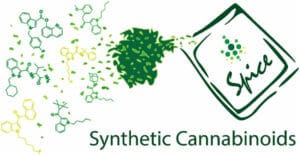
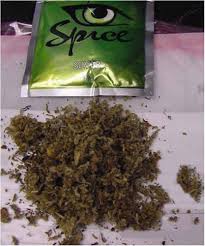
Since roughly the late 2000s, the same phrase has been used as a euphemism for products marketed as incense but intended for smoking. These products are often labeled “herbal incense,” “spice,” or “K2,” and are typically plant material sprayed with synthetic cannabinoids.
This is the meaning behind search terms like K2 herbal incense, incense spice, and spice incense. The labeling is a workaround, not a description. The product is not really incense in the aromatic sense.
Why the Distinction Matters
- Legal status: Synthetic cannabinoid products have been banned at the federal level and in most states. Regulations change, so verify current law with a qualified source before relying on any summary. (Editorial note: state and federal rules on specific compounds should be verified against current statutes.)
- Health risk: Synthetic cannabinoids have been linked to severe adverse events, including seizures, kidney injury, and cardiac problems. Potency varies batch to batch, so users cannot reliably judge dose.
- Product honesty: A vendor selling genuine aromatic incense is not selling a smokeable drug. A vendor using the term as a cover is doing something else entirely.
How to Tell Which Product You Are Looking At
If a listing describes scent notes, burn time, or ritual use, it is likely conventional incense. If it uses coded language about “effects,” “research,” “not for human consumption,” or ships in unmarked packaging, that is a signal it belongs to the synthetic category.
Other red flags:
- Claims about relaxation or mood that read like drug marketing
- No ingredient list
- Pricing that resembles a consumable drug rather than a fragrance product
- Brand names that change frequently, a common tactic to evade bans
Buying Herbal Incense Online
For genuine aromatic incense, normal retail considerations apply:
- Check the ingredient list. Reputable sellers name the botanicals and any added fragrance oils.
- Look for a physical business address. This is a basic legitimacy signal.
- Read the scent description, not just the name. “Nag Champa” or “Frankincense” tells you more than a vague “herbal blend.”
- Compare shipping terms. Searches for herbal incense overnight or herbal incense for sale often surface sellers with unclear fulfillment policies. If shipping details are vague, treat that as a warning.
- Avoid sellers who market smokeable use. Legitimate incense vendors do not.
What About “Herbal Spice Incense for Sale”?
The term “spice” is where confusion peaks. In cooking, spice means a food seasoning. In this context, “spice” is a brand-adjacent nickname for synthetic cannabinoid blends. A search for herbal spice incense for sale can return either legitimate aromatic products or products using the term as camouflage.
The safest approach: if the product description emphasizes effects, avoids naming ingredients, or uses disclaimer language common to gray-market drugs, do not buy it.
Legitimate Alternatives
If you want incense for its intended purpose, the traditional market is deep and well established. Options include:
- Resins: frankincense, myrrh, benzoin
- Woods: sandalwood, cedar, palo santo
- Herbal bundles: sage, lavender, rosemary
- Loose blends: often sold by weight for use on charcoal discs
These are sold openly, priced as fragrance products, and described by scent. That transparency is the clearest dividing line.
Frequently Asked Questions
Is herbal incense legal in the United States?
Aromatic herbal incense sold for burning is generally legal. Products marketed under the same name but intended for smoking and containing synthetic cannabinoids are restricted or banned federally and in most states. Because laws change, verify current status with a qualified legal source.
What is K2 herbal incense?
Can I buy herbal incense online safely?
Yes, if you are buying genuine aromatic incense from a seller who lists ingredients and operates as a normal retailer. Be cautious with any listing that emphasizes effects, uses drug-adjacent slang, or avoids naming what is in the product.
Is “spice incense” the same as regular incense?
No. “Spice” in this context is a street term for synthetic cannabinoids. Regular incense is a fragrance product. The shared wording is the source of most confusion.
What should I look for on an incense label?
Ingredient names, scent description, and the seller’s business information. A legitimate product tells you what it is made of and what it smells like. That is enough to distinguish it from gray-market products.
The Bottom Line
Herbal incense has a real, legal, traditional meaning: botanical blends burned for fragrance. It also has a second, misleading use as a label for synthetic cannabinoid products. Knowing which one a seller means—by reading ingredients, checking marketing language, and treating vague listings with suspicion—is the most reliable way to buy herbal incense online without ending up with something entirely different.