
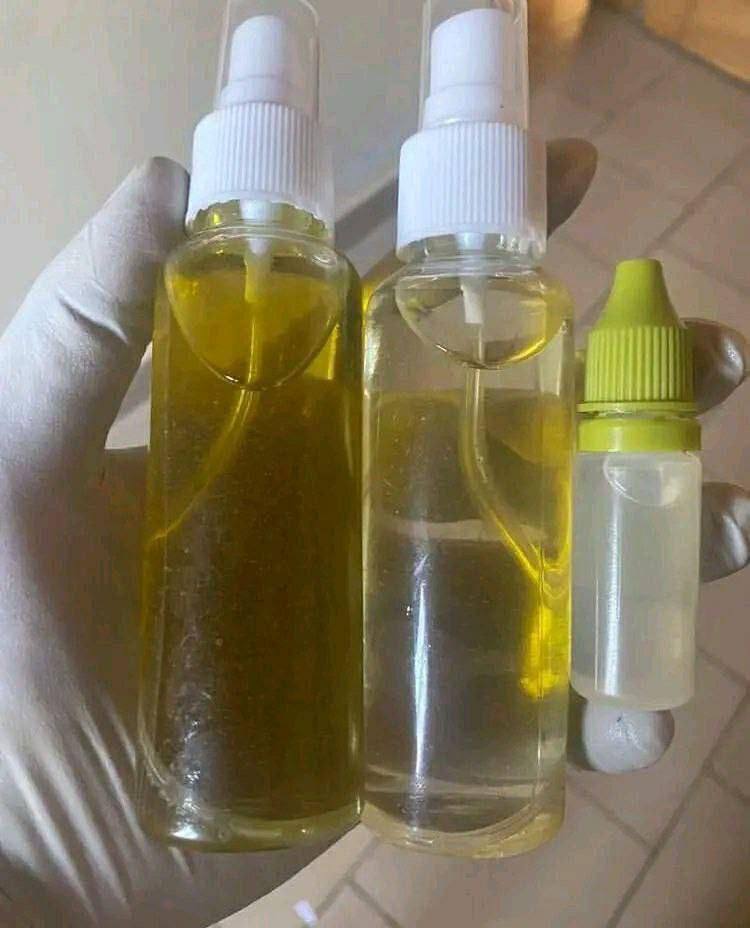
One of the things that makes K2 spray so genuinely dangerous isn’t just what it does, it’s how quickly it does it. Unlike edibles, which can take an hour or more to kick in and lull people into taking more before the first dose even hits, K2 spray works almost immediately. That speed might sound appealing if you’re looking for a fast high, but it’s actually one of the biggest reasons this drug leads to so many emergency room visits. There’s essentially no buffer between using it and finding out whether that particular dose was going to be manageable or genuinely dangerous.
Here’s a real, detailed look at how fast K2 spray actually works, what’s happening in the body during that window, why the speed itself adds risk on top of everything else already true about synthetic cannabinoids, and what that means if you or someone you know is using it.
What “K2 Spray” Actually Refers To
Both versions rely on the same underlying chemistry. The liquid gets vaporized and inhaled directly into the lungs, which is actually a big part of why it acts so fast.
The Short Answer: Minutes, Not Hours
Across essentially every source that tracks this, the onset time for synthetic cannabinoids lands in the same tight window: effects begin within about three to five minutes of use. That’s an almost universally cited figure across drug education and treatment resources, and it applies specifically to inhaled forms, whether that’s smoked plant material or vaporized liquid.
Once effects start, they don’t fade quickly either. The high itself typically lasts anywhere from one to eight hours, a genuinely wide range that reflects just how unpredictable this drug class is from batch to batch and person to person.
Compare that to something like a cannabis edible, where effects can take 30 minutes to two hours to show up, or even smoked natural cannabis, where the high builds a bit more gradually and tends to plateau in a more predictable way. K2 spray doesn’t ease you in. It hits, and it hits within minutes.
Why the Vaporized Liquid Form Acts Even Faster
When a synthetic cannabinoid is vaporized and inhaled, it reaches the lungs’ enormous surface area almost instantly, and from there it crosses into the bloodstream and travels to the brain within seconds to a couple of minutes. That’s part of why the commonly cited three-to-five-minute onset window holds up whether someone is smoking sprayed plant material or vaping the liquid form directly. Both routes bypass the slower absorption process involved in eating or drinking something, and both put the chemical into systemic circulation almost immediately.
Why That Speed Is a Genuine Problem, Not Just a Feature
A fast-acting drug isn’t automatically a dangerous one on its own. Plenty of substances act quickly and are still relatively well understood and manageable. The issue with K2 spray isn’t the speed by itself, it’s the combination of that speed with everything else that makes this particular drug class so unpredictable.
You don’t get a warning shot. With a slower-acting substance, there’s often a window to notice something’s off before things escalate too far, giving a person or the people around them time to react. With K2 spray’s three-to-five-minute onset, that buffer basically doesn’t exist. Whatever reaction the chemical is going to cause, mild or severe, tends to announce itself almost immediately, without much time to course-correct.
The formula itself keeps changing. On top of dose inconsistency, the actual chemical compound used can shift from batch to batch, since manufacturers frequently change chemical formulas to evade drug laws. That means one batch may have entirely different effects than the previous one, even if it looks and smells identical. Combine that chemical unpredictability with an onset window measured in minutes, and you get a genuinely risky situation: fast effects from a chemical whose potency and identity are both essentially unknown at the moment of use.
Full receptor agonism means the ceiling is higher, and it arrives faster. Natural THC is what’s known as a partial agonist at cannabinoid receptors, meaning it activates them only up to a certain point no matter the dose. Most synthetic cannabinoids found in K2 products, by contrast, act as full agonists, some binding even more strongly to those receptors than THC and producing much stronger effects. When a fast onset time is paired with a chemical that can drive receptor activation harder and further than THC ever does, the resulting reaction can escalate from “feeling something” to a genuine medical emergency in a very short span.
What the First Few Minutes Can Actually Look Like
Because the onset is so quick, the symptoms that show up in those first several minutes are often the clearest signal that something serious is happening, rather than a typical high building gradually.
Short-term effects reported with synthetic cannabinoid use include increased agitation, pale skin, seizures, vomiting, profuse sweating, uncontrolled or spastic body movements, elevated blood pressure, rapid heart rate, and heart palpitations. On top of the physical symptoms, users can also experience difficulty speaking, severe paranoia, delusions, and hallucinations, sometimes within that same short window after use.
Other documented reactions reported to poison control centers and public health departments include tachycardia, elevated blood pressure, unconsciousness, tremors, seizures, vomiting, hallucinations, agitation, anxiety, pale skin, numbness, and tingling. These aren’t effects that build slowly over an hour the way, say, alcohol intoxication might. Given the three-to-five-minute onset, many of these reactions can appear within the first few minutes of use, sometimes catching both the user and anyone nearby off guard.
Why This Matters More With the Spray Form Specifically
Dosing is harder to gauge visually. With sprayed plant material, there’s at least some rough physical reference for how much you’re consuming, the visible amount of plant matter in a joint or a pipe bowl. With a vape liquid, there’s no equivalent visual cue. A puff is a puff regardless of how concentrated that particular liquid happens to be, which removes one of the few intuitive ways someone might otherwise try to pace their use.
It looks and behaves like something much more familiar and less alarming. Vaping in general has become extremely normalized, especially among younger users, and a vape pen doesn’t carry the same visual or social red flags that smoking a joint or pipe might. That normalization, paired with how quickly the drug acts once inhaled, means people may use it more casually or in more settings than they would a substance they perceived as riskier, right up until the effects hit within minutes and something goes wrong.
How This Compares to Natural Cannabis
If you’re used to how quickly a cannabis high sets in and assuming K2 spray behaves similarly, it’s worth understanding where the comparison holds and where it breaks down.
Smoked or vaped natural cannabis also acts quickly, generally within a few minutes, so the raw onset speed isn’t wildly different on paper. Where things diverge is in what happens next. A cannabis high from an inhaled product tends to plateau in a fairly predictable range and rarely escalates into a true medical emergency for most users. K2 spray’s onset might feel similar in the first minute or two, but because the underlying chemical is a full receptor agonist with unknown potency, that same fast start can just as easily tip into agitation, hallucinations, a racing heart, or worse, in a way regular cannabis essentially never does.
What to Do If Someone’s Reacting Badly, Fast
Given how quickly K2 spray acts, and how quickly things can escalate, it’s worth knowing what a serious reaction looks like and how fast you may need to respond.
If someone shows signs like seizures, chest pain, a racing or irregular heartbeat, severe confusion, hallucinations, agitation that seems to be escalating, or loss of consciousness within minutes of using K2 spray, treat it as a medical emergency immediately. Because the onset is so fast, there generally isn’t a long “wait and see” period where it makes sense to assume things will settle down on their own. Call 911, stay with the person, and let responders know synthetic cannabinoid use is suspected, since these symptoms can escalate quickly, and standard drug tests often won’t catch what’s actually in someone’s system, which matters for how medical staff approach treatment.
Factors That Can Affect How Fast K2 Spray Hits
How the liquid is inhaled. A long, deep pull on a vape delivers more of the chemical to the lungs at once than a short, shallow puff, which can mean a faster and more intense onset. Because there’s no reliable way to judge concentration by sight or smell, the depth and length of an inhale ends up being one of the only variables a user actually controls, and even that only affects how much of an unknown-strength chemical gets absorbed, not the underlying unpredictability of the product itself.
Tolerance from previous use. People who’ve used synthetic cannabinoids regularly may build up a tolerance to some of the milder effects over time, which can shift how a given dose feels, though it’s worth noting that tolerance doesn’t necessarily make the drug any safer. If anything, tolerance often pushes people toward using larger amounts to get the same effect, which reintroduces the exact same overdose risk that made the drug dangerous in the first place.
Whether it’s combined with anything else. Some users mix K2 spray or sprayed plant material with tobacco or cannabis. Combining substances can change how quickly effects are felt and how the body processes everything together, generally in ways that are even harder to predict than using either substance on its own.
Which specific synthetic compound is actually in the liquid. This is really the biggest wildcard of all. Because there isn’t one single “K2” formula but rather hundreds of different synthetic cannabinoid compounds circulating under similar branding, and because manufacturers frequently swap out which compound they’re using, the exact onset speed and intensity of any given bottle of K2 spray depends heavily on a chemical identity that the user typically has no way of knowing in advance.
A Bit of Context: Why K2 Spray Exists in the First Place
The liquid, vapeable version of these products emerged partly as an evolution of that same accessibility problem. As vaping devices became more common and more socially normalized, sellers adapted the same underlying synthetic cannabinoid chemistry into a liquid form that could be used with equipment people already had lying around or could easily buy. That shift is part of why K2 spray in particular deserves its own conversation separate from the more commonly discussed sprayed-plant-material version: it rides on an entirely different, and in some ways more discreet, delivery method, one that happens to also be extremely fast-acting.
A Common Misconception Worth Correcting
Researchers studying newer synthetic cannabinoid compounds have noted that these substances can produce effects comparable to established drugs of abuse like cannabis, heroin, cocaine, and amphetamines, but often with more severe consequences, whether from a single use or from repeated exposure over time. A fast-acting drug with that kind of risk profile is not something to treat casually just because the effects arrive quickly and the packaging looks unthreatening.
It’s also worth flagging that despite being sold under names suggesting it’s simply an alternative version of marijuana, these products are chemically nothing like cannabis, and they have no accepted medical use. The “safe alternative” framing that so much of this marketing leans on is exactly backwards from what the actual pharmacology and clinical evidence show.
Frequently Asked Questions
How long does the high from K2 spray actually last? Most sources put the total duration somewhere between one and eight hours, though this varies quite a bit depending on the specific chemical compound involved, the dose, and individual factors like tolerance and body chemistry.
Is there a way to use K2 spray more safely given how fast it acts? No reliable method exists. Because potency is inconsistent even within the same product, and because the specific chemical compound can change from batch to batch, there’s no dosing strategy that reliably reduces the risk. Complete avoidance is the only way to eliminate the danger entirely.
Why do people say K2 spray reactions can turn dangerous so quickly? It comes down to the combination of two things happening at once: the drug reaches the brain within minutes, and the chemicals involved often bind to cannabinoid receptors far more aggressively than natural THC does. That combination means a reaction can go from “feeling normal” to “in genuine medical distress” in a very short amount of time, without the more gradual buildup people are used to from other substances.