The name “synthetic cannabinoids” is, in many ways, misleading. It implies a relationship with cannabis — a pharmacological cousin, perhaps a more concentrated version of something familiar. The reality is far more dangerous. These compounds share almost nothing with natural cannabis beyond the receptor they target, and even that comparison breaks down quickly when you understand the mechanism. This guide explains the science plainly, describes the real harms in clinical detail, and provides the information that could help save a life — yours or someone you care about.
1. What Are Synthetic Cannabinoids?
Synthetic cannabinoids are a large and chemically diverse class of human-made compounds designed to activate the same cannabinoid receptors in the brain that THC — the primary psychoactive compound in cannabis — targets. That is where the similarity ends.
Unlike THC, which occurs naturally in the Cannabis sativa plant and has been studied for decades, synthetic cannabinoids are laboratory-created molecules. Many were originally developed by academic researchers in the 1970s through 1990s studying the endocannabinoid system — the network of receptors throughout the body that regulates mood, pain, memory, appetite, and numerous other functions. These research compounds were never intended for human recreational use. They existed in published scientific papers and, critically, in those papers’ chemical structures — which illicit manufacturers used as blueprints.
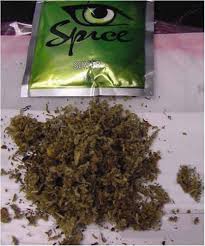
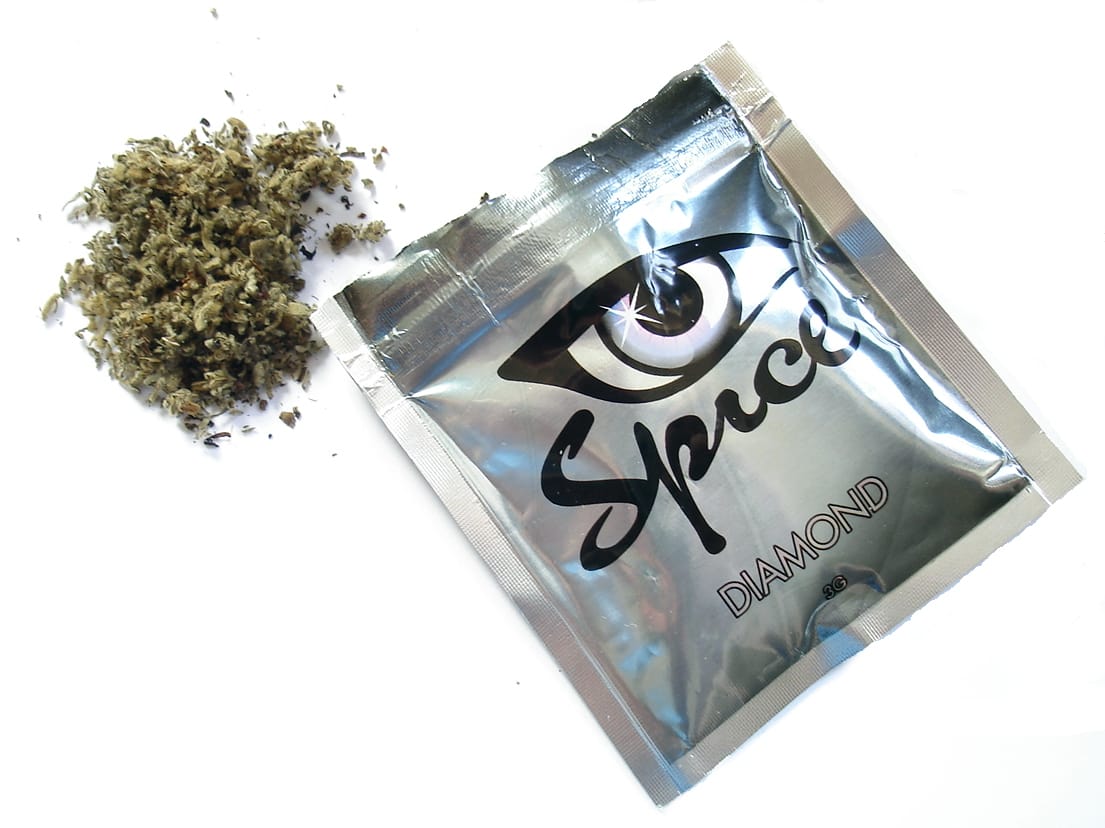
Beginning in the early 2000s, primarily in Europe and then rapidly expanding globally, clandestine chemists began synthesizing these research compounds, spraying them onto dried plant material, and selling the result as “herbal incense” or “potpourri.” The packaging explicitly stated the product was not for human consumption — a legal fiction that fooled nobody but provided nominal cover from prosecution.
What made synthetic cannabinoids attractive to manufacturers was not any particular pharmacological advantage. It was the law. Because drug laws in most countries are written around specific chemical compounds, manufacturers could stay one step ahead of law enforcement by slightly modifying the molecule. Every time a specific compound was scheduled or banned, a new variant appeared — close enough in structure to produce similar effects, different enough to not yet be illegal. This cat-and-mouse game produced an explosion of chemical diversity that has resulted in more than 700 distinct synthetic cannabinoid compounds being identified by forensic laboratories worldwide.
Historical Origin
Many early synthetic cannabinoids used in illicit products bear the initials of the researchers who created them for legitimate science. JWH compounds were created by Dr. John W. Huffman at Clemson University. AM compounds were developed by Dr. Alexandros Makriyannis. Both have publicly stated their profound dismay at how their research was weaponized for the drug market.
2. Street Names, Forms & How They’re Sold
Understanding how synthetic cannabinoids reach consumers is important for parents, educators, healthcare workers, and anyone trying to identify use or protect someone vulnerable.
Common Street and Brand Names
The branding is intentionally appealing, colorful, and constantly changing to avoid detection. Common names include: K2, Spice, Black Mamba, Mojo, Scooby Snax, Kush, Joker, Kronic, Green Giant, Smacked, Wicked X, AK-47, Bliss, Cloud 9, and hundreds of regional or locally specific variants. New brand names appear constantly, especially after law enforcement crackdowns on specific products.
Forms of Availability
Herbal smoking blends: The most common form. Dried plant material — often damiana, marshmallow leaf, or other innocuous herbs — is sprayed with a dissolved synthetic cannabinoid solution and packaged in foil envelopes. The plant material itself is pharmacologically inert; it is merely the delivery vehicle.
Liquid solutions for vaping: Increasingly common, synthetic cannabinoids are dissolved in propylene glycol or similar solvents and sold for use in e-cigarettes or vape pens. This form is particularly concerning because it is invisible, odorless, and can be used discreetly almost anywhere. It is also associated with higher rates of severe adverse events, likely because the dose delivered per inhalation is less predictable.
Powder and capsule forms: Less common but documented. Sometimes sold as “research chemicals” online to buyers who are aware of what they are purchasing.
Laced products: One of the most dangerous distribution methods. Synthetic cannabinoids have been found mixed into products sold as natural cannabis, CBD flower, tobacco, and even food items — sometimes without the knowledge of the seller and almost always without the knowledge of the consumer.
Recognition Warning
Products are specifically designed to look benign. Foil packaging, cartoon graphics, and “herbal incense” labeling are intentional disguises. The smell may be sweet, floral, or chemical. There is no reliable way to identify synthetic cannabinoids by appearance, smell, or taste — only laboratory testing can confirm their presence.
3. K2/Spice vs. Cannabis: A Critical Difference
The most dangerous misconception about synthetic cannabinoids is that they are simply a more potent or convenient form of cannabis. This belief has contributed to countless emergency room visits from people who thought they were making an informed, if risky, choice — and discovered too late that they were not.
| Property | Natural Cannabis (THC) | Synthetic Cannabinoids (K2/Spice) |
|---|---|---|
| Receptor activity | Partial agonist — activates CB1/CB2 partially and then stops | Full agonist — activates CB1/CB2 with maximum possible force, no natural ceiling |
| Relative potency | Baseline reference | 10 to 800 times more potent depending on compound |
| Chemical consistency | Known, studied composition with centuries of human use data | Unknown — varies by batch, brand, and synthesis quality |
| Antidote available | No antidote needed for most cases | No antidote exists; treatment is supportive only |
| Lethal overdose | No confirmed human deaths from THC alone | Numerous confirmed deaths directly attributed |
| Cardiovascular effects | Mild, transient heart rate increase | Severe: cardiac arrest, heart attack, arrhythmia reported |
| Psychosis risk | Low to moderate in high-risk individuals | High — even in first-time users with no psychiatric history |
| Kidney effects | Minimal | Acute kidney injury documented; some cases irreversible |
| Dependence potential | Moderate — approximately 9% of users develop dependence | High — withdrawal syndrome documented, often severe |
The key pharmacological difference — partial agonist versus full agonist — deserves special emphasis because it explains almost everything else on this table. THC activates the brain’s CB1 receptors partially. Think of it like pressing an accelerator to 40% of its maximum. Synthetic cannabinoids press that same accelerator to 100% — and they hold it there. The brain and body simply were not designed to handle that level of cannabinoid receptor stimulation, and the consequences cascade across multiple organ systems simultaneously.
4. How Synthetic Cannabinoids Work in the Brain
To understand why synthetic cannabinoids are so damaging, it helps to understand the system they disrupt. The endocannabinoid system (ECS) is one of the most widespread and important neuromodulatory systems in the body. It regulates pain perception, mood, memory consolidation, appetite, immune response, sleep, motor control, and stress response — among many other functions.
The ECS operates through two primary receptors. CB1 receptors are concentrated in the brain — particularly in the hippocampus (memory), prefrontal cortex (executive function and decision-making), amygdala (fear and emotional processing), cerebellum (motor coordination), and brainstem (autonomic functions including heart rate, breathing, and blood pressure regulation). CB2 receptors are found primarily in immune tissue and peripheral organs.
The body produces its own cannabinoid-like molecules — endocannabinoids such as anandamide — that bind to these receptors as needed and are then quickly broken down. This system is self-regulating by design. Natural cannabis introduces plant-derived THC, which partially activates CB1 receptors and produces intoxication, but the partial nature of this activation means the system retains some regulatory capacity.
Synthetic cannabinoids override this regulation entirely. As full agonists, they bind to CB1 receptors with greater affinity and produce maximum stimulation. The brain cannot modulate or buffer this signal the way it can with THC. The result is a neurological storm that affects every function regulated by CB1 — simultaneously, and with no internal mechanism to slow it down.
Additionally, many synthetic cannabinoid compounds affect receptors beyond the ECS. Some bind to serotonin receptors, dopamine receptors, opioid receptors, and voltage-gated ion channels. This polypharmacology — the tendency of a single compound to affect multiple receptor systems — is poorly understood and contributes to the unpredictable, severe symptom profiles seen in overdose cases.
85%of emergency physicians surveyed in a 2018 study reported treating synthetic cannabinoid cases they considered life-threatening — compared to just 17% for natural cannabis cases.
5. What K2/Spice Does to Every System in Your Body
The harm from synthetic cannabinoids is not confined to the brain. Because the endocannabinoid system is distributed throughout the body, and because many synthetic cannabinoid compounds interact with additional receptor systems, the physiological damage can be widespread and simultaneous. Here is what happens organ system by organ system:
Brain & Nervous System
Seizures, severe agitation, acute psychosis, altered consciousness, and coma have all been documented. Long-term structural changes including white matter abnormalities and hippocampal atrophy have been observed in heavy users via neuroimaging.
Cardiovascular System
Tachycardia (racing heart), dangerously elevated blood pressure, heart attack in otherwise young and healthy individuals, ventricular fibrillation, and cardiac arrest. The cardiovascular effects are among the most acutely life-threatening.
Kidneys
Acute kidney injury (AKI) has been documented in clusters of users — sometimes affecting dozens simultaneously from the same batch. Some cases require dialysis. Mechanism is not fully understood but may involve direct nephrotoxicity from adulterant chemicals.
Lungs & Respiratory System
Hyperventilation during acute intoxication, respiratory depression in severe overdose. Smoking the product adds direct pulmonary damage from combustion products. Vaping forms have been linked to acute lung injury similar to EVALI.
Gastrointestinal System
Severe nausea, vomiting, and abdominal pain are extremely common. In some cases, vomiting during impaired consciousness has caused aspiration pneumonia — a dangerous secondary complication.
Blood & Coagulation
In one of the most alarming documented outbreaks (2018, multiple U.S. states), synthetic cannabinoid products were found laced with a brodifacoum — a super-potent rat poison that prevents blood clotting. Users developed life-threatening internal bleeding. At least eight deaths were confirmed.
Musculoskeletal System
Severe muscle rigidity, rhabdomyolysis (the breakdown of muscle tissue into the bloodstream), and associated acute kidney injury from myoglobin overload have been reported in overdose cases.
Endocrine System
The endocannabinoid system plays roles in glucose regulation, stress hormone release, and reproductive hormones. Disruption from chronic synthetic cannabinoid use has been associated with metabolic dysregulation, though long-term data remain limited due to the rapid evolution of compounds.
6. Symptoms: From Mild Intoxication to Life-Threatening Crisis
Synthetic cannabinoid intoxication presents across a wide spectrum. At lower doses — and the challenge is that “lower” is impossible to define without knowing the exact compound and concentration — users may experience effects they intended: relaxation, mild euphoria, altered perception. But the dose-response curve is steep and unpredictable, and what separates a mild intoxication from a medical emergency can be a single additional inhalation.
Mild to Moderate Effects
- Elevated mood, euphoria
- Relaxation and sedation
- Altered sense of time
- Increased appetite
- Mild perceptual changes
- Red eyes, dry mouth
- Mild increase in heart rate
- Impaired coordination
- Difficulty concentrating
- Mild anxiety or paranoia
Severe & Life-Threatening Effects
- Acute psychosis, hallucinations
- Extreme agitation or violent behavior
- Seizures and convulsions
- Unresponsiveness or coma
- Chest pain, heart attack
- Dangerously high blood pressure
- Severe vomiting, aspiration risk
- Kidney failure
- Stroke
- Cardiac arrest, death
A critical point for bystanders: the transition from mild to severe symptoms can occur extremely rapidly — sometimes within minutes of the same dose that appeared manageable initially. There is no reliable plateau. Someone who appears mildly intoxicated may deteriorate into seizure or cardiac event without warning, and the compounds’ full agonist activity means there is no ceiling to limit how severe the neurological storm becomes.
Emergency Signs — Call 911 Immediately
Seek emergency medical help immediately if someone using synthetic cannabinoids loses consciousness, has a seizure, becomes unresponsive or difficult to rouse, complains of chest pain or pressure, vomits uncontrollably, shows signs of stroke (face drooping, arm weakness, slurred speech), or demonstrates behavior that suggests they are a danger to themselves or others. Do not wait to see if it passes. Time matters.
7. What Overdose Looks Like & What to Do
Synthetic cannabinoid overdose is a medical emergency. Unlike opioid overdose, which has a specific antidote (naloxone), there is no drug that reverses synthetic cannabinoid toxicity. Emergency treatment is supportive — meaning doctors manage the symptoms (seizures, cardiac arrhythmia, blood pressure spikes, kidney injury) while the body attempts to metabolize and eliminate the compound.
The Toxidrome Pattern
Clinicians use the term “toxidrome” to describe the characteristic cluster of symptoms that a particular class of toxin produces. The synthetic cannabinoid toxidrome — while variable due to the diversity of compounds — typically involves the following constellation: agitation or sedation (which pole depends on the specific compound), tachycardia, elevated blood pressure, dilated pupils, profound nausea, and altered mental status. In severe cases, this is overlaid with seizures, hyperthermia (dangerously elevated body temperature), and cardiovascular collapse.
How Emergency Physicians Treat It
In the emergency department, management typically includes: securing and monitoring the airway (the most immediate priority), establishing IV access, administering benzodiazepines for seizures and extreme agitation, treating cardiac arrhythmias with appropriate agents, managing hyperthermia with cooling measures, providing IV fluids and monitoring kidney function, and in cases of extreme psychosis or aggression, careful sedation to prevent injury to the patient or others.
The challenge for emergency physicians is that standard urine drug screens do not detect synthetic cannabinoids. The tests used in most hospitals screen for natural cannabis (THC), not for the hundreds of synthetic variants — which have different structures and require specialized laboratory analysis. This means physicians often treat these patients without knowing precisely what compound is involved, relying on clinical presentation rather than confirmed chemical identification.
0 – 10 Minutes
Onset of Effects
Effects begin almost immediately after inhalation — typically within 1–5 minutes. Oral routes of exposure have slower onset (20–60 minutes). Initial effects may seem manageable — euphoria, relaxation, mild perceptual change.
10 – 30 Minutes
Peak Intoxication
Effects reach maximum intensity. In severe cases, this is when psychosis, seizures, and cardiovascular complications emerge. The window between intoxication and overdose can be extremely narrow.
30 Minutes – 4 Hours
Prolonged Effects / Medical Crisis
Unlike natural cannabis, some synthetic cannabinoid compounds have longer half-lives and produce effects lasting many hours. Medical complications that emerge in this window (kidney injury, cardiac events) may persist well after the acute intoxication appears to resolve.
Hours to Days
Delayed Complications
Some organ damage — particularly kidney injury and psychiatric effects — may not become clinically apparent until hours or days after acute intoxication. Apparent recovery does not always mean absence of ongoing harm.
8. The Psychiatric Dangers: Psychosis, Paranoia & Lasting Damage
Among the most alarming documented effects of synthetic cannabinoids is their capacity to induce acute psychiatric crises — including full psychotic episodes — even in individuals with no prior mental health history and even after a single use. This distinguishes them sharply from natural cannabis, where psychosis risk, while real, is generally associated with heavy long-term use or specific genetic vulnerabilities.
Acute Psychosis
Psychosis induced by synthetic cannabinoids can be indistinguishable in the acute phase from schizophrenia. Users may experience command hallucinations (voices telling them to perform actions), paranoid delusions, disorganized thinking, and behaviors that appear completely disconnected from reality. Emergency rooms across the U.S. and Europe have documented cases of first-time users arriving in full psychotic states — terrified, violent, or entirely uncommunicative — following a single session with synthetic cannabinoids.
In most cases, this psychosis resolves as the compound is metabolized, typically over hours to a few days. However, a significant minority of cases involve psychotic symptoms that persist weeks or months beyond the acute intoxication, raising serious questions about lasting neurological impact. Whether chronic synthetic cannabinoid use can trigger a persistent psychotic disorder in vulnerable individuals — rather than merely temporarily producing psychosis-like symptoms — remains an active area of clinical concern.
Anxiety and Panic
Acute severe anxiety and panic attacks are among the most commonly reported adverse effects. These can be so extreme as to be paralyzing — users describe feeling absolute terror, certainty of death, and inability to distinguish reality from hallucination. For some individuals, these panic experiences leave lasting psychological marks, including post-traumatic symptoms and ongoing anxiety disorders.
Depression and Cognitive Effects
Regular users frequently report significant depressive symptoms, emotional blunting, and cognitive deficits including memory impairment, difficulty concentrating, and reduced executive function. While it is difficult to fully separate pre-existing vulnerabilities from drug-induced changes in many cases, neuroimaging studies have documented structural changes in the brains of heavy synthetic cannabinoid users consistent with the reported cognitive deficits.
These changes appear to disproportionately affect the prefrontal cortex — the brain region responsible for planning, impulse control, and decision-making — and the hippocampus, which is central to memory formation. Both are regions densely populated with CB1 receptors and therefore maximally exposed to the toxic overstimulation synthetic cannabinoids produce.
Special Risk: Adolescent Brain
The adolescent brain undergoes critical development through approximately age 25, with the prefrontal cortex among the last regions to fully mature. CB1 receptor density is particularly high during this developmental window. Evidence from both human studies and animal models strongly suggests that cannabinoid receptor disruption during adolescence produces more severe and more lasting cognitive and psychiatric damage than equivalent exposure in adulthood. Synthetic cannabinoids pose an especially severe threat to young users.
9. Dependence, Withdrawal & Addiction
One of the most underappreciated aspects of synthetic cannabinoids is their capacity to produce physical dependence — a condition where the body adapts to the constant presence of the drug and requires it to function normally. When the drug is stopped, a withdrawal syndrome emerges that can be genuinely distressing and, in some cases, medically complicated.
The Withdrawal Syndrome
Natural cannabis withdrawal, while real and uncomfortable for dependent users, is not considered medically dangerous. Synthetic cannabinoid withdrawal is meaningfully different. Users who have developed physical dependence report severe anxiety and panic, profuse sweating, nausea and vomiting, tremors and muscle cramps, heart palpitations and elevated blood pressure, insomnia that can persist for weeks, and intense, persistent cravings that drive compulsive return to use even when the person clearly understands the harm they are causing themselves.
The severity of this withdrawal syndrome has been documented in clinical settings and compared by some researchers to opioid withdrawal in terms of distress — a comparison that underscores how far these compounds are from being a “harmless herbal product.”
The Cycle of Addiction
Several features of synthetic cannabinoids make the addiction cycle particularly vicious. The rapid onset of effects after inhalation creates a strong conditioned association between the behavior and the reward. The severe withdrawal symptoms punish attempts at abstinence. The availability and relatively low cost of the product reduces barriers to continued use. And the cognitive damage produced by chronic use impairs the very brain functions — impulse control, future planning, evaluation of consequences — that are needed to make and sustain the decision to stop.
Many users describe continuing to use synthetic cannabinoids not because they enjoy it — the pleasurable effects often diminish significantly over time — but because stopping feels medically unbearable and because the drug has become necessary just to feel functional. This transition from use for pleasure to use for relief from withdrawal is the hallmark of physical dependence.
Treatment Approaches
There is currently no approved pharmacological treatment specifically for synthetic cannabinoid dependence. Management draws on approaches used for other substance use disorders: medically supervised detoxification for severe withdrawal, behavioral therapies including cognitive behavioral therapy (CBT) and motivational interviewing, support groups, and treatment of co-occurring psychiatric conditions. Given the high prevalence of depression, anxiety, and psychosis in this population, integrated dual-diagnosis care is often essential.
10. Who Is Most Vulnerable — and Why
Synthetic cannabinoids do not affect all populations equally. Understanding who is most at risk helps direct prevention and harm reduction efforts where they are most needed.
Young People
Adolescents and young adults are disproportionately represented in both use surveys and emergency room data. The reasons are multiple: synthetic cannabinoids are often marketed in appealing packaging with cartoon imagery; they are promoted as a “legal” and “natural” alternative to cannabis; they are inexpensive; they are sometimes marketed directly to young people through social media. The developing brain’s heightened sensitivity to cannabinoid disruption means that the harm to this age group is not just statistically greater but neurobiologically more severe.
Homeless and Incarcerated Populations
Synthetic cannabinoids are disproportionately prevalent among homeless individuals and people in jails and prisons. For homeless populations, cost and availability are primary drivers — these products are often cheaper than cannabis and easier to obtain. For incarcerated individuals, synthetic cannabinoids are appealing because they are not detected by standard drug tests, making them less risky from a disciplinary standpoint. Mass overdose events affecting dozens of incarcerated individuals simultaneously have been documented in multiple countries.
People Using Them to Avoid Drug Testing
A significant subset of users turn to synthetic cannabinoids specifically because they do not trigger standard urine drug screens. This includes people on probation or parole, employees in industries with workplace drug testing, and military personnel. The tragic irony is that avoiding a drug test by substituting synthetic cannabinoids exposes the user to substances that are far more dangerous than the natural cannabis being avoided.
People With Pre-existing Mental Health Conditions
Individuals with anxiety disorders, depression, PTSD, or psychotic disorders are more likely to experience severe adverse psychiatric effects from synthetic cannabinoids. Many in this population use substances as a form of self-medication — seeking relief from symptoms that are inadequately treated. The result is often significant worsening of the underlying condition.
11. The Contamination Problem: You Never Know What You’re Getting
Even setting aside the inherent dangers of synthetic cannabinoids themselves, the contamination and adulteration problem adds another layer of lethal unpredictability. Because these products are manufactured without any quality control, regulation, or accountability, what ends up in a foil packet or vape cartridge is entirely at the discretion of whoever made it — and their primary motivation is profit, not safety.
Uneven Spraying
When synthetic cannabinoid solutions are sprayed onto plant material, the distribution is inherently uneven. Some portions of the plant material absorb more of the solution; others absorb less. This creates what are called “hot spots” — pieces of the product that contain dramatically higher concentrations of the active compound than the rest of the batch. A user who happens to inhale from a hot spot may receive many times the dose they intended or expected, with no warning and no way to predict it from prior experiences with the same product.
Rotating Chemical Formulations
Because manufacturers continuously change the synthetic cannabinoid compound used in their products to stay ahead of drug scheduling legislation, users cannot assume that a product they have used before contains the same active compound as the current version. A batch of “Spice” purchased today may contain a compound with completely different potency and toxicological properties than the “Spice” purchased a month ago under the same brand name.
Intentional and Unintentional Adulterants
The 2018 outbreak of brodifacoum — the super-potent anticoagulant rat poison — contamination across multiple U.S. states was the most dramatic documented example of dangerous adulterant contamination, but it is far from unique. Synthetic cannabinoid products have tested positive for opioids, benzodiazepines, heavy metals, pesticides, and other toxic compounds. Whether introduced intentionally (to increase perceived potency or volume) or as a byproduct of clandestine synthesis, these adulterants can dramatically worsen the toxicological profile of an already dangerous product.
The 2018 Brodifacoum Outbreak
Between March and May 2018, health authorities in Illinois, Wisconsin, Missouri, and several other states identified more than 300 individuals who developed life-threatening bleeding disorders after using synthetic cannabinoid products. The products were found to contain brodifacoum, a vitamin K antagonist used in rodenticides that inhibits blood clotting for weeks after a single exposure. At least eight people died. Hundreds required prolonged treatment with vitamin K. Many patients initially had no idea what had caused their symptoms.
12. Getting Help: Resources & Recovery
Synthetic cannabinoid use disorder is treatable. Recovery is possible. The path is often difficult and rarely linear, but the evidence base for substance use disorder treatment is substantial, and people do recover — sometimes dramatically.
Recognizing That Help Is Needed
For those in active use, the cognitive and psychological effects of synthetic cannabinoids can make it difficult to accurately assess the extent of the problem. Common signs that use has become harmful and that professional help may be needed include: using more than intended, failed attempts to cut back, continuing to use despite awareness of harm, spending significant time obtaining or using the substance, withdrawal from friends, family, or responsibilities, and experiencing withdrawal symptoms when not using.
Immediate Steps
If you or someone you know has used synthetic cannabinoids and is experiencing concerning symptoms, call emergency services immediately. Do not wait for symptoms to worsen. There is no reliable way to predict how severe an episode will become. In non-emergency situations, Poison Control Centers (in the U.S., call 1-800-222-1222) can provide immediate guidance on managing exposure.
Help & Support Resources
SAMHSA National Helpline (U.S.): 1-800-662-4357 — Free, confidential, 24/7 treatment referral and information service for individuals and family members facing mental health or substance use disorders.
Crisis Text Line: Text HOME to 741741 — Free, 24/7 crisis support via text message.
Find Treatment (U.S.): findtreatment.gov — SAMHSA’s online treatment locator for substance use and mental health disorders.
Narcotics Anonymous: na.org — Peer support meetings available internationally, including online.
SMART Recovery: smartrecovery.org — Evidence-based, non-12-step alternative to traditional peer support programs.
What Treatment Looks Like
Effective treatment for synthetic cannabinoid use disorder typically involves multiple components. Medical detoxification under professional supervision manages withdrawal safely and comfortably. Inpatient or residential programs provide intensive support during early recovery, separating the individual from environments and triggers associated with use. Outpatient programs allow individuals to continue work, school, and family responsibilities while receiving structured counseling and support. Behavioral therapies — particularly cognitive behavioral therapy and motivational enhancement therapy — help individuals understand the function use was serving in their lives and develop healthier alternatives. Treatment for co-occurring psychiatric conditions is often essential, since untreated depression, anxiety, or PTSD frequently drives substance use as self-medication.
For Families and Support Networks
Watching someone you care about struggle with synthetic cannabinoid use is frightening and often bewildering, particularly given how rapidly the situation can escalate. SAMHSA’s helpline serves family members as well as individuals in active use, and can provide guidance on supporting someone toward treatment without enabling continued use. Al-Anon and Nar-Anon offer peer support specifically for the families of people with substance use disorders. Your own wellbeing matters too. Supporting someone through addiction is exhausting, and you cannot provide effective support if you are not caring for yourself.
Conclusion: What This Guide Asks of You
Synthetic cannabinoids represent one of the most dangerous and poorly understood categories of psychoactive substances in use today. Their appeal — the legal ambiguity, the low cost, the undetectability, the familiar-sounding name — is built entirely on deception. The reality is a class of compounds that can cause acute psychosis, cardiac arrest, kidney failure, and death, often on a first use, and that leave lasting neurological and psychiatric damage in survivors of heavy use.
This guide exists because understanding precedes prevention. If you have read this far, you now have an accurate picture of what these substances are, what they do, and why the risk is not comparable to natural cannabis or any other substance with which they are sometimes grouped. That knowledge is worth sharing — with young people before they encounter these products, with people who use them believing they are making a safer choice, and with families trying to understand what has happened to someone they love.
The harm from synthetic cannabinoids is not inevitable. It is reduced by accurate information, accessible treatment, compassionate communities, and policies grounded in public health rather than punishment. Start with the information. That part, at least, is within reach right now.