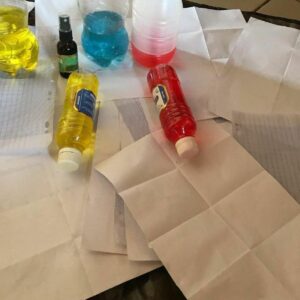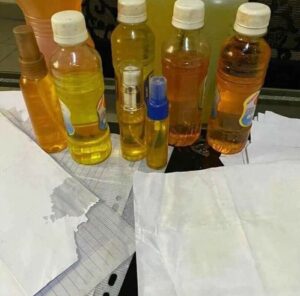

K2 spice spray on letter paper refers to paper that may have been treated with synthetic cannabinoids, laboratory-made substances that interact with cannabinoid receptors in the body. These substances are sometimes marketed under names such as K2 or Spice, but their chemical composition and strength can vary significantly. Paper suspected of containing synthetic cannabinoids can present serious health and safety risks.
Understanding what K2 spice spray on letter paper means, why it is dangerous, and what to do if exposure is suspected can help people make informed safety decisions. This guide explains the terminology, potential health effects, warning signs, legal considerations, and safer alternatives to consider.
What Is K2 Spice Spray on Letter Paper?
K2 spice spray on letter paper describes a situation in which paper may have been exposed to a liquid containing synthetic cannabinoids. The phrase is often associated with reports of treated paper in controlled environments, including correctional facilities. However, appearance alone cannot confirm whether a letter or another paper item contains these substances.
K2 and Spice are common names used for products associated with synthetic cannabinoids. Unlike naturally occurring cannabis compounds, synthetic cannabinoids are manufactured chemicals that may produce unpredictable effects. Different compounds can have substantially different potencies and risks.
The term “K2 spice spray” does not identify one specific chemical or a standardized formulation. A paper item described this way may contain an unknown substance, and laboratory testing may be needed to establish what is present.
1. What Does K2 Spice Spray Mean?
K2 spice spray is a general expression associated with liquid preparations containing synthetic cannabinoids. These chemicals may be applied to plant material or other surfaces, but the presence and identity of a substance cannot be determined from a product name alone.
The word “spray” describes a possible liquid form or application method. It does not establish the ingredients, concentration, safety, or legality of a particular material.
Synthetic cannabinoids can affect the brain and nervous system. Some may cause severe reactions, including agitation, confusion, seizures, rapid heart rate, or loss of consciousness. Their effects can be unpredictable because the chemicals and concentrations may differ between samples.
It is important not to assume that products sold under similar names contain the same ingredients or produce the same effects.
2. Why Is K2 Spice Spray on Letter Paper a Safety Concern?
K2 spice spray on letter paper raises safety concerns because the chemical composition of suspected treated paper may be unknown. A person cannot reliably assess the risk by looking at the paper, smelling it, or touching it briefly.
Potential concerns include:
- Unknown chemicals: The material may contain substances that are difficult to identify without testing.
- Unpredictable potency: Synthetic cannabinoids can differ significantly in strength and effects.
- Accidental exposure: Handling a contaminated item may create uncertainty about whether a person has come into contact with a harmful substance.
- Health emergencies: Serious reactions may require immediate medical attention.
- Uncertain contamination: An unusual smell, stain, or discoloration does not prove that synthetic cannabinoids are present.
Do not deliberately smell, taste, burn, or otherwise experiment with paper suspected of chemical contamination. Avoid unnecessary handling and follow the relevant workplace, facility, or public-health safety procedures.
3. What Are Synthetic Cannabinoids?
Synthetic cannabinoids are laboratory-made chemicals designed to interact with cannabinoid receptors in the body. Some compounds act differently from THC, the primary intoxicating compound in cannabis, and may cause more severe or unpredictable effects.
The term “synthetic cannabinoid” covers a broad group of substances rather than a single drug. New compounds may appear over time, and the risks can vary depending on the chemical, amount, route of exposure, and individual circumstances.
Products associated with names such as K2 and Spice may contain chemicals that are not listed on the packaging or that differ from one batch to another. For that reason, the label alone is not a reliable guide to composition or safety.
Synthetic cannabinoids are not the same as ordinary fragrance ingredients used in household incense. Fragrance products should also be used only as directed, with appropriate ventilation and attention to their labels.
4. What Are the Possible Health Effects of K2 Exposure?
The health effects associated with synthetic cannabinoids can range from unpleasant symptoms to life-threatening emergencies. The exact reaction depends on the substance and the circumstances of exposure.
Possible symptoms include:
- Anxiety, panic, or extreme agitation
- Confusion or unusual behavior
- Dizziness or impaired coordination
- Nausea and vomiting
- Rapid heartbeat or chest discomfort
- Tremors or muscle spasms
- Hallucinations or paranoia
- Seizures or loss of consciousness
Severe symptoms require urgent medical evaluation. If someone develops chest pain, difficulty breathing, a seizure, extreme confusion, or becomes unresponsive after suspected exposure, contact local emergency services immediately.
Do not assume that a person is safe simply because symptoms initially appear mild. If exposure is suspected, seek advice from a qualified medical professional or poison-information service where available.
5. Can You Identify K2 Spice Spray on Letter Paper by Sight?
There is no reliable visual test for confirming K2 spice spray on letter paper. Suspected paper may look ordinary, and unusual marks or odors can have many explanations unrelated to synthetic cannabinoids.
Do not rely on these characteristics as proof:
- Discoloration or staining
- An unusual smell
- A change in paper texture
- Residue or visible marks
- Reports or rumors about the item
Likewise, normal-looking paper cannot be assumed to be free from chemical contamination.
If a letter or document raises a credible safety concern, avoid unnecessary contact and follow established procedures for reporting and assessment. Trained professionals can determine the appropriate handling and testing measures.
6. What Should You Do if You Suspect Contaminated Paper?
If you suspect that a letter or paper item contains a hazardous chemical, focus on preventing further contact rather than trying to identify the substance yourself.
Consider these precautions:
- Stop unnecessary handling of the item.
- Avoid touching your face, eating, or drinking until you have followed appropriate hygiene guidance.
- Keep other people away from the suspected material.
- Do not burn, heat, wash, scrape, or conduct home tests on the paper.
- Follow your organization’s safety procedures or contact the relevant health and safety authority.
- If symptoms develop, seek medical assistance promptly and explain that a chemical exposure is suspected.
Do not attempt to collect samples or package the material unless trained personnel instruct you to do so. Appropriate handling procedures depend on the situation and the substance involved.
7. Are K2 and Spice Legal?
The legal status of synthetic cannabinoids varies by country and jurisdiction. Many places restrict or prohibit particular compounds, and laws may change as new substances are identified.
The names K2 and Spice do not refer to one fixed chemical. A substance may be regulated under a specific chemical name, a broader legal category, or other applicable legislation.
Possessing, distributing, or using a prohibited synthetic cannabinoid can carry legal consequences. The rules that apply to a particular paper item or suspected substance depend on local law and the verified facts of the situation.
For reliable guidance, consult official government resources or a qualified legal professional in the relevant jurisdiction. Do not treat online product descriptions or informal claims as definitive legal advice.
For additional information about website content and product-related notices, review the K2Spice.co Disclaimer.
8. How Is K2 Spice Spray Different From Traditional Incense?
Traditional incense is generally made to release fragrance when used according to its instructions. Synthetic cannabinoids are psychoactive chemicals that can affect the brain and nervous system. These are different categories of materials and should not be treated as interchangeable.
The phrase “herbal incense” can sometimes be used in product marketing, but the label does not prove that a product contains only herbs or fragrance ingredients. Likewise, a product name does not establish whether a substance is safe, legal, or suitable for a particular use.
When choosing a household fragrance product, read its ingredient information and warnings. Use it only for its intended purpose, maintain suitable ventilation, and keep it away from children and pets where required by the label.
Never assume that a product is harmless simply because it is described as incense, herbal material, or a fragrance spray.
9. What Are Safer Alternatives for Household Fragrance?
People looking for a pleasant scent in their home can consider conventional fragrance products designed for that purpose. Examples may include ordinary incense, scented sachets, or commercially manufactured air fresheners used according to their labels.
When selecting any fragrance product:
- Read the ingredients and safety instructions.
- Follow the recommended method of use.
- Provide ventilation where appropriate.
- Avoid inhaling concentrated sprays directly.
- Keep products away from heat sources when instructed.
- Store them safely and follow disposal directions.
No fragrance product is risk-free for everyone. People with sensitivities should review product information carefully and stop using an item if it causes irritation or other symptoms.
For general website and category information, you can visit the K2Spice.co Shop. Review the information provided for each item and do not assume that a product name establishes its ingredients or safety.
About K2Spice.co
Readers who want to understand the website and its purpose can visit the K2Spice.co About Us page. For details about the site’s notices and limitations, consult the disclaimer linked above.
When researching K2, Spice, or synthetic cannabinoids, prioritize credible health information and official safety guidance. Marketing language, online discussions, and product labels may not provide enough information to establish what a substance contains.
Frequently Asked Questions About K2 Spice Spray on Letter Paper
1. What is K2 spice spray on letter paper?
The term refers to paper suspected of having been treated with a liquid containing synthetic cannabinoids. Visual inspection cannot confirm the presence of these substances, and suspected material should be handled according to appropriate safety procedures.
2. Is K2 spice spray the same as natural cannabis?
No. K2 and Spice commonly refer to products associated with laboratory-made synthetic cannabinoids. These substances differ from cannabis and can have unpredictable or severe effects.
3. Can you tell whether a letter contains synthetic cannabinoids by its smell?
No. Odor is not a reliable way to identify synthetic cannabinoids. Many substances can produce unusual smells, and some hazardous materials may have no distinctive odor.
4. What are the symptoms of synthetic cannabinoid exposure?
Possible symptoms include anxiety, confusion, agitation, vomiting, rapid heartbeat, hallucinations, and seizures. Severe symptoms, including difficulty breathing or loss of consciousness, require emergency medical attention.
5. Is touching suspected K2-treated paper dangerous?
The risk depends on the substance and circumstances, and it cannot be determined by appearance alone. Avoid unnecessary contact, follow applicable safety procedures, and seek professional advice if exposure is suspected.
6. Can ordinary paper be tested for synthetic cannabinoids?
Specialized laboratory analysis may be able to identify particular compounds. Home inspection and visual checks cannot reliably confirm the presence or absence of synthetic cannabinoids.
7. Are K2 and Spice legal?
The laws vary by jurisdiction and may cover specific compounds or broader categories of synthetic cannabinoids. Check current official local guidance rather than relying on a product name or online claim.
8. Is synthetic cannabinoid exposure a medical emergency?
It can be. Seizures, chest pain, breathing difficulties, severe confusion, or unconsciousness warrant immediate emergency assistance. Tell medical personnel that exposure to an unknown chemical is suspected.
9. Where can I learn more about K2Spice.co?
Visit the About Us page to learn more about the website, review the Disclaimer for important notices, or browse the Shop for available website categories and product information.
Conclusion
K2 spice spray on letter paper is a phrase associated with suspected paper contamination involving synthetic cannabinoids. Because the substances, concentrations, and potential health effects may be unknown, neither appearance nor smell can establish whether an item is contaminated.
The safest response is to avoid unnecessary handling, follow appropriate safety procedures, and seek professional medical advice if exposure or symptoms are suspected. Use credible health and legal resources when researching synthetic cannabinoids, and do not rely on marketing terms to determine a product’s composition or safety.