
Introduction
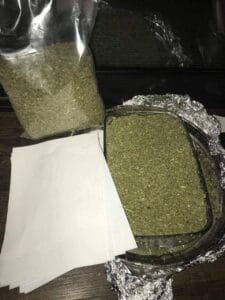
In recent years, a disturbing and increasingly common method of smuggling synthetic cannabinoids — the dangerous class of man-made chemicals commonly known as K2 or Spice — has emerged as a serious public health and safety concern. The method is as simple as it is insidious: synthetic cannabinoid compounds are dissolved in a liquid solution and applied to ordinary paper. The paper is then dried, leaving it looking entirely normal to the naked eye — white, blank, unassuming. It can be folded, mailed, handled, and passed through many types of security screening without detection.
When that paper is later torn into small pieces, rolled into a cigarette, or burned and the resulting smoke inhaled, the synthetic cannabinoid compounds vaporize and are absorbed through the lungs — delivering a powerful, unpredictable, and potentially fatal dose of a substance far more dangerous than any naturally occurring cannabis product.
K2-laced paper has become one of the most serious vectors for synthetic cannabinoid distribution in environments where traditional drug smuggling is difficult — particularly correctional facilities, schools, psychiatric units, and drug treatment programs. It has caused mass overdose events, deaths, and ongoing crises in communities around the world. It has devastated families who had no idea what their loved one had been exposed to. And it has tested the resources and capabilities of public health systems, emergency services, and security professionals to their limits.
This article is written for the people who need to understand this problem most: families with loved ones in situations where K2-laced paper might be encountered, educators and school staff working to protect young people, healthcare providers who may encounter patients harmed by this substance, correctional and facility staff working in environments where this method of smuggling is prevalent, and anyone in a community touched by the synthetic cannabinoid crisis.
Understanding what K2-laced paper is, why it is so dangerous, how it has spread, who is most at risk, and what can be done about it at individual, community, and institutional levels is essential knowledge for anyone in a position to protect vulnerable people from its harms.
Part One: What Is K2-Laced Paper and How Did It Emerge?
Understanding Synthetic Cannabinoids
To understand K2-laced paper, you first need to understand synthetic cannabinoids — the substances that make it dangerous.
Synthetic cannabinoids are man-made chemicals engineered to interact with the same receptors in the human brain that THC, the active compound in natural cannabis, interacts with. They were originally developed in legitimate academic research settings in the 1990s as tools for studying the endocannabinoid system — the complex network of receptors and signaling molecules that regulates mood, pain, appetite, memory, and many other bodily functions.
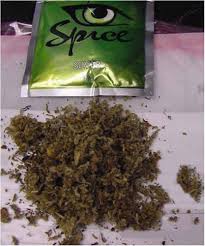
These research compounds were discovered by illicit manufacturers in the mid-2000s and began appearing in products marketed as “herbal incense” or “legal highs” — dried plant material sprayed with synthetic cannabinoid chemicals and sold under brand names like K2, Spice, Black Mamba, and dozens of others. The “herbal” and “legal” marketing was deliberate deception; these products contained potent synthetic chemicals with effects dramatically more dangerous and unpredictable than natural cannabis.
Synthetic cannabinoids differ from THC in a critical way that makes them so much more dangerous: while THC is a partial agonist of the brain’s CB1 receptors — activating them incompletely — most synthetic cannabinoids are full agonists, slamming these receptors to maximum activation. Combined with potencies that can be many times greater than THC, this produces effects that are intense, unpredictable, and capable of causing seizures, psychosis, cardiac arrest, kidney failure, and death. Standard drug tests do not detect synthetic cannabinoids, adding to their appeal among people subject to regular screening.
The Evolution to Paper-Based Delivery
As regulatory authorities began banning synthetic cannabinoid compounds and law enforcement developed better tools for detecting them in traditional herbal incense products, illicit manufacturers and distributors adapted. One of the most significant adaptations was the development of paper-based delivery.
The technique is straightforward: synthetic cannabinoid powder or crystals are dissolved in an acetone or alcohol-based solution. Ordinary paper — printer paper, notebook paper, even greeting cards — is soaked in or painted with this solution. Once the solvent evaporates, the paper appears completely normal but contains synthetic cannabinoid compounds distributed across its surface.
This paper-based format offered several advantages for illicit distribution:
Near-invisibility: K2-laced paper looks identical to ordinary paper. It has no distinctive smell in most cases. It feels normal to the touch. It passes through mail systems, school bag checks, and many types of security screening without triggering any visible alert.
Evasion of traditional drug detection: Drug-sniffing dogs are trained to detect specific volatile organic compounds associated with traditional drugs. Many synthetic cannabinoids, particularly newer generations, do not trigger standard canine detection. Visual inspection of paper reveals nothing. Standard field drug tests are designed for other substances and produce negative results.
Ease of use: Small pieces of K2-laced paper can be rolled into cigarettes, heated on foil, or burned in pipes. No preparation or special equipment is required.
Concealment as legitimate communication: Mail containing K2-laced paper enters correctional facilities as what appears to be personal correspondence — letters from family members, legal documents, religious materials, or creative writing. The humanitarian and legal protections surrounding mail in many correctional systems have been exploited by this method.
The Spread into Correctional Facilities
The correctional facility context deserves particular attention because it represents the environment most severely affected by K2-laced paper and the one that has generated the most documented evidence of its harms.
Traditional drug smuggling into jails and prisons — concealing substances in packages, on visitors’ bodies, or through corrupt staff — is increasingly difficult in modern correctional facilities equipped with body scanners, drug-detecting technology, and comprehensive visitor screening. K2-laced paper largely circumvented these measures for years, entering facilities through mail that was visually screened but not chemically analyzed.
The consequences were catastrophic. Mass overdose events — multiple incarcerated individuals simultaneously experiencing severe synthetic cannabinoid toxicity — became documented occurrences in correctional facilities across the United States, the United Kingdom, Australia, and other countries. A single piece of K2-laced paper, torn into strips and distributed, could cause multiple people to overdose simultaneously, overwhelming the medical resources of a correctional facility and requiring emergency response from outside services.
The closed environment of a correctional facility, where emergency medical response may be significantly delayed compared to community settings, made these events particularly deadly. People who might have survived with rapid medical intervention in a hospital setting died because help could not reach them quickly enough.
Part Two: Why K2-Laced Paper Is So Particularly Dangerous
The Dosing Problem: No Reliable Control
When synthetic cannabinoid solution is applied to paper, the distribution of the chemical is almost never uniform. Some areas of the paper may receive a high concentration of the compound; others may receive very little or none. This creates what toxicologists and emergency physicians have called “hot spots” — areas of paper with dramatically higher concentrations of synthetic cannabinoid than surrounding areas.
A person who tears off a small piece of paper and smokes it has no way of knowing whether they have a piece from a low-concentration area or a high-concentration hot spot. Two people who smoke equal-sized pieces of paper from the same sheet may have wildly different experiences — one experiencing mild intoxication, another experiencing a life-threatening overdose.
This dosing unpredictability is not a minor concern. In the context of compounds that can be 10, 50, or even 100 times more potent than THC, the difference between a survivable dose and a fatal one can be measured in quantities invisible to the naked eye. People who have used K2-laced paper on previous occasions without serious incident are not protected from overdose the next time — the hot spot problem means that each use is a fresh gamble with unknown odds.
Compound Variability: A Moving Target
Compounding the dosing problem is the fact that synthetic cannabinoid manufacturers continuously change their formulations. The compound infused into paper this month may be entirely different from the compound infused three months ago. Each new generation of synthetic cannabinoids tends to be more potent than its predecessors, as manufacturers optimize for compounds that are effective in smaller quantities and harder to detect.
A person who has used K2-laced paper before and survived cannot assume that the same behavior will produce the same outcome. The substance itself may have changed fundamentally between uses. This moving target of compound variability means that tolerance built to one compound provides no protection against a different, potentially more dangerous compound infused into ostensibly similar paper.
The Medical Response Challenge
Standard emergency toxicology panels do not detect synthetic cannabinoids. A person brought to an emergency department in a state of severe agitation, psychosis, or cardiac distress may have no identifiable substance on their drug screen, complicating the clinical picture and potentially delaying appropriate treatment. Clinicians may initially consider other diagnoses — acute psychiatric emergency, other toxic ingestion, metabolic crisis — while valuable treatment time passes.
There is no antidote for synthetic cannabinoid overdose. Treatment is supportive — managing the airway, stabilizing cardiac function, controlling seizures with benzodiazepines, managing agitation, and monitoring for organ damage — and requires clinicians to recognize the possibility of synthetic cannabinoid toxicity even in the absence of laboratory confirmation.
In mass overdose events, where multiple people present simultaneously with severe synthetic cannabinoid toxicity, the demands on emergency medical services and hospital resources can be overwhelming. Emergency departments have been documented as functioning in effectively mass-casualty mode during major synthetic cannabinoid outbreak events.
The Psychological Harm
The physical dangers of K2-laced paper are well-documented, but the psychological harm deserves equal attention. Synthetic cannabinoid toxicity frequently includes severe psychiatric effects — intense paranoia, panic, auditory and visual hallucinations, and full psychotic episodes that can persist for hours or days after the exposure.
For people who experience these psychiatric effects, particularly those already living with mental health conditions, a single exposure to K2-laced paper can trigger extended psychiatric crises requiring intensive inpatient treatment. Some individuals experience prolonged or recurrent psychotic symptoms that may not resolve even after the synthetic cannabinoid has been metabolized, particularly if the exposure has interacted with underlying psychiatric vulnerability.
The psychological trauma of the experience itself — the terror of an acute psychotic episode or the physical horror of a severe physiological reaction — can have lasting mental health consequences independent of any direct neurotoxic effects.
Part Three: Who Is Most at Risk and Where
People in Correctional Settings
As discussed in Part One, people in jails, prisons, and other correctional facilities represent the population most severely and directly affected by K2-laced paper. The convergence of factors that makes correctional settings so vulnerable — limited access to voluntary intoxicants, pervasive drug testing, mail as a relatively accessible entry point — has made this population a primary target of K2-laced paper distribution.
People in correctional facilities who use K2-laced paper are often doing so not as a first-choice recreational drug but because traditional drugs are unavailable and K2 evades standard testing. The coercive social dynamics of correctional environments — peer pressure, debts, power relationships — can also create situations where people use K2 not entirely voluntarily.
Correctional staff are also at risk. There have been documented cases of correctional officers experiencing adverse effects after handling K2-laced paper — through skin contact or inadvertent inhalation of residue — without knowing what they were touching. Some synthetic cannabinoids can be absorbed through skin contact at high concentrations, creating occupational health risks for staff whose duties require handling incoming mail and materials.
Young People in School Settings
Schools represent the second most significant risk environment for K2-laced paper. The factors driving its use among young people overlap with those in correctional settings: the desire to experience intoxication in a setting where drug use is monitored, the perception that synthetic cannabinoids are harder to detect than traditional drugs, and the appeal of what is perceived as a novel or exotic substance.
K2-laced paper has appeared in high schools and even middle schools in multiple countries. Its ordinary appearance makes it relatively easy to conceal from teachers, administrators, and parents who may not know what to look for. Young people, whose developing brains are particularly vulnerable to the neurotoxic and psychiatric effects of powerful psychoactive substances, face serious risks from exposure.
The social dynamics of school settings — where trends spread rapidly through peer networks — can cause K2-laced paper use to emerge suddenly and spread quickly through a student population before adults are aware of the problem.
People in Drug Treatment and Psychiatric Settings
Residential drug treatment programs, psychiatric hospitals, and other inpatient mental health settings have also been affected by K2-laced paper. The irony is particularly painful: people in treatment for substance use disorders, whose recovery depends on an environment free of intoxicants, may be exposed to synthetic cannabinoids through what appears to be ordinary mail.
For people with pre-existing psychiatric conditions — a large proportion of inpatient mental health populations — exposure to synthetic cannabinoids represents a particularly acute risk of severe and potentially prolonged psychiatric destabilization. A single exposure in this vulnerable population can derail months of treatment progress and require extended additional hospitalization.
Families of People in Monitored Settings
An often-overlooked dimension of the K2-laced paper problem is its impact on families. Family members of people in correctional facilities or treatment programs may be unknowingly used as conduits for K2-laced paper. Illicit operators within these settings sometimes pressure or manipulate people to request that family members send specific items — greeting cards, drawings, letters — that have been pre-treated with synthetic cannabinoid solution.
Families who participate in this, believing they are simply sending a loving gesture to someone they care about, may be entirely unaware of what the paper actually contains. The criminal and moral weight of this manipulation of family relationships is significant, and the families themselves can face serious legal consequences if authorities discover that mail they sent contained controlled substances.
Understanding this risk is essential for families with loved ones in correctional facilities or residential treatment programs. Requests for specific types of paper, cards, or mail from loved ones in these settings — particularly if accompanied by unusual urgency or specific instructions about the paper type or content — should be approached with caution and, if suspicious, discussed with facility staff.
Part Four: The Response — What Institutions Are Doing
Correctional Facility Responses
Correctional facilities around the world have been at the forefront of developing responses to K2-laced paper, driven by the severity of the crisis they have experienced. Approaches have varied by jurisdiction and facility type, but the most significant responses include:
Mail Photocopying Systems: A number of correctional facilities have implemented systems in which all incoming mail is photocopied or digitally scanned, and only the copy is delivered to the recipient. The original physical paper is retained or destroyed without entering the facility. Because synthetic cannabinoid compounds are on the paper itself rather than in the information it contains, this approach effectively eliminates the vector while preserving the communicative content of the mail.
This approach has been controversial in some jurisdictions, raising concerns about privacy, the confidentiality of legal correspondence, and the emotional importance of physical mail to incarcerated people and their families. Courts and correctional oversight bodies have reached different conclusions about its legality and appropriateness, and implementations vary considerably.
Chemical Detection Systems: Some facilities have invested in technologies capable of detecting synthetic cannabinoids in paper — including ion mobility spectrometry (IMS) devices and chemical colorimetric test kits specifically developed for synthetic cannabinoid detection. These technologies vary in their sensitivity and their ability to detect the full range of synthetic cannabinoid compounds in circulation, but they represent a meaningful improvement over visual inspection alone.
Canine Programs: Drug-detection dog programs have been adapted to include training for synthetic cannabinoid odors, though this presents ongoing challenges as new compounds emerge. Specialized canine training for synthetic cannabinoids requires regular updating as the compound landscape changes.
Enhanced Medical Response: Facilities that have experienced synthetic cannabinoid mass overdose events have typically responded by enhancing their medical capacity and emergency response protocols. This includes staff training in recognizing and responding to synthetic cannabinoid toxicity, ensuring adequate emergency medication supplies including benzodiazepines for seizure and agitation management, and establishing clear protocols for calling external emergency services when events exceed the facility’s medical capacity.
Education and Awareness Programs: Some facilities have implemented education programs for incarcerated people and their families about the dangers of K2-laced paper and the legal consequences of its possession and distribution. The effectiveness of these programs is difficult to measure precisely, but awareness among the population about the specific dangers of hot spots and compound variability may provide some protective effect.
School-Based Responses
Schools facing synthetic cannabinoid challenges — including K2-laced paper — have implemented a range of responses:
Staff Training: Training teachers, counselors, administrators, and security staff to recognize the behavioral signs of synthetic cannabinoid intoxication is a foundational response measure. The signs — extreme agitation, severe confusion, hallucinations, loss of consciousness, seizures — are often more dramatic and distinctive than other forms of intoxication, and recognition can accelerate appropriate emergency response.
Updated Drug Policies: Many schools have updated their drug policies to specifically address synthetic cannabinoids, closing loopholes that previously applied only to traditional illegal drugs. This includes updating disciplinary policies, communicating changes clearly to students and families, and ensuring that school-based police or security officers are aware of the legal status of synthetic cannabinoids.
Expanded Drug Testing: Some schools with student drug testing programs have added synthetic cannabinoid-specific panels, though this remains relatively uncommon due to cost and the limitations of available testing.
Community Education: School-based prevention programs that accurately address the dangers of K2-laced paper — without sensationalism and with age-appropriate specificity — provide young people with the information they need to make better decisions and recognize dangerous situations.
Healthcare System Responses
Healthcare providers and public health systems have developed responses to the K2-laced paper crisis that focus on clinical preparedness, surveillance, and community education:
Clinical Education: Medical schools, nursing programs, emergency medicine training, and continuing medical education have increasingly incorporated synthetic cannabinoid recognition and management into curricula. Clinicians who understand that standard tox screens will not detect synthetic cannabinoids and who recognize the characteristic clinical presentation of synthetic cannabinoid toxicity can provide better, faster care.
Poison Control Collaboration: Regional poison control centers — in the United States reachable at 1-800-222-1222 — have developed expertise in synthetic cannabinoid toxicity guidance and serve as real-time resources for clinicians managing acute cases. Facilities and clinicians dealing with suspected synthetic cannabinoid exposures should contact their regional poison control center for current compound-specific guidance.
Public Health Surveillance: Public health agencies have worked to improve surveillance of synthetic cannabinoid-related emergency department visits, hospitalizations, and deaths. Better data enables faster identification of emerging compounds and outbreak events, and supports evidence-based resource allocation.
Part Five: What Families Can Do — Practical Guidance
If Your Loved One Is in a Correctional Facility
Be aware of manipulation attempts: If your loved one asks you to send specific types of paper, cards, or materials with unusual urgency or specificity, or asks you to send mail to different addresses than the facility’s standard mail address, be cautious. These requests may indicate that they are under pressure from others within the facility to facilitate K2 smuggling. If you are concerned, contact the facility directly.
Discuss the dangers directly: If you have the opportunity to communicate with your loved one, be willing to discuss the specific dangers of K2-laced paper — the hot spot problem, the compound variability, the unpredictability of outcomes, and the severe medical emergencies it has caused. People in correctional settings may use synthetic cannabinoids because they underestimate the risks or because they feel social or coercive pressure. Clear information about the specific dangers can be protective.
Know the emergency procedures: Understand how to reach the facility’s medical staff in an emergency. If you have reason to believe your loved one has been exposed to K2-laced paper and is experiencing a medical emergency, call the facility immediately and, if needed, call emergency services.
If You Are a Parent or Educator
Have honest conversations with young people: Talk about K2-laced paper specifically — what it is, why it looks ordinary, and why it is so dangerous. Young people who understand that a piece of paper can contain a substance capable of causing seizures, heart attacks, and death are better equipped to refuse offers and make good decisions than those who have only heard generic “drugs are bad” messaging.
Create a safe environment for disclosure: Young people are more likely to come to adults for help — or to report concerning behavior from peers — if they trust that the adult response will prioritize their safety over punishment. Environments where young people can disclose substance use concerns without fear of exclusively punitive consequences save lives.
For Everyone
The National Poison Control Center in the United States (1-800-222-1222) is available 24 hours a day and can provide guidance for both emergency situations and non-emergency questions about synthetic cannabinoid exposure.
Part Six: The Legal Landscape
Criminal Consequences
In the correctional facility context, introducing synthetic cannabinoids through mail — even if the person sending the mail did not know what the paper contained — can result in serious criminal charges. People who knowingly send K2-laced paper into correctional facilities face potential prosecution for introducing contraband, possession with intent to distribute, and potentially additional charges depending on jurisdiction and circumstances.
The legal consequences are severe, and families should understand that being manipulated into sending K2-laced paper, however unintentionally, does not necessarily protect them from legal liability if authorities determine that they had reason to know or should have known what they were sending.
Regulatory Responses
The challenge remains significant: the pace of chemical modification by manufacturers continues to outstrip the speed of regulatory scheduling processes in many jurisdictions. Approaches that ban classes of compounds rather than specific molecules — as implemented in the United Kingdom’s Psychoactive Substances Act 2016 — show some promise for addressing this problem more systemically, though enforcement challenges remain.
Part Seven: The Path Forward — Prevention, Education, and Support
The Role of Education
Scare tactics that exaggerate or distort risks often backfire, particularly with young people who are good at detecting inauthenticity and who will discount messages they perceive as manipulative. But the honest facts about K2-laced paper — the hot spot problem, the compound variability, the severe and unpredictable medical emergencies it causes, the lives it has ended — are alarming enough without embellishment. Accurate information, delivered by credible messengers in appropriate contexts, is a powerful tool.
Education should be specific. “Drugs are dangerous” is a message young people have heard so many times it has lost meaning. “This piece of paper looks completely normal, but it could contain a chemical so potent that a fraction of the amount on your fingertip could cause a seizure or cardiac arrest, and there is no way to know if the piece you have is one of those” is specific, concrete, and genuinely alarming in the right way.
Supporting People Affected
Addiction to synthetic cannabinoids is real and treatable. People who have developed dependence on synthetic cannabinoids need access to the same quality of substance use treatment as people with any other addiction: medically supervised detoxification, behavioral therapies, peer support, and comprehensive treatment of co-occurring mental health conditions.
Families navigating the intersection of a loved one’s synthetic cannabinoid use and incarceration face particular challenges, and peer support from others who have been through similar experiences can be invaluable. Organizations serving families of incarcerated people can provide guidance, community, and practical support.
Systemic Change
Addressing the K2-laced paper crisis systemically requires action at multiple levels simultaneously:
Harm reduction investment: Harm reduction approaches — which accept that some level of synthetic cannabinoid use will occur and focus on keeping people alive and connected to services — have demonstrated value across substance use challenges. Making naloxone (which reverses opioid overdose but has no specific effect on synthetic cannabinoid toxicity) available alongside better emergency response resources, and providing accurate information about risks without demanding abstinence as a precondition for engagement, can save lives.
Research investment: The synthetic cannabinoid landscape changes faster than research can track it. Investment in real-time surveillance systems, faster analytical capabilities, and clinical research on synthetic cannabinoid toxicity and treatment would significantly improve the public health response.
Conclusion: Knowledge as Protection
K2-laced paper represents one of the most insidious forms of drug distribution to emerge in the past decade. Its invisibility — its perfect mimicry of ordinary paper — is what makes it so difficult to address through conventional security and screening measures. Its victims are often among the most vulnerable people in society: those in correctional facilities, in treatment programs, in schools, in psychiatric care. And the harms it causes are severe, unpredictable, and in too many cases fatal.
Understanding this problem — really understanding it, with specificity and honesty — is one of the most protective things that families, educators, healthcare providers, and community members can do. Knowledge of what K2-laced paper is and what it does enables parents to have specific, meaningful conversations with their children. It enables educators to recognize warning signs and respond appropriately. It enables healthcare providers to consider synthetic cannabinoid toxicity in their differential diagnosis. It enables families of incarcerated people to recognize manipulation attempts and protect themselves and their loved ones from inadvertent participation in smuggling.
It enables communities to advocate for the resources, policies, and interventions that this crisis demands.
The paper looks ordinary. The danger is not. And the more people understand that gap — between appearance and reality — the better equipped we are to protect the people we care about.