Introduction: The World of Herbal Incense Is Bigger (and More Confusing) Than Ever
So is the confusion.
Choosing the right herbal incense product isn’t as simple as picking the one with the prettiest packaging or the most appealing label. The difference between a mediocre, chemical-laden product and a genuinely excellent herbal incense blend can mean the difference between a headache and a transcendent sensory experience. It can mean the difference between inhaling harmful synthetic compounds and breathing in the genuine aromatic chemistry of healing plants. It can mean spending $3 on something you’ll throw away or $30 on something you’ll treasure and reorder for years.
This guide exists to close that knowledge gap. In the next 5,000 words, we’ll walk you through every dimension of choosing herbal incense: understanding the major types and traditions, identifying quality ingredients, matching scent profiles to your specific purpose, evaluating form factors, reading labels, assessing brands, understanding price, and building a personal herbal incense practice that genuinely serves your wellbeing.
Whether you’re a complete newcomer curious about your first bundle of dried herbs, or an experienced practitioner looking to refine your collection, this guide will give you the framework to choose with confidence.
Table of Contents
- What Is Herbal Incense? Definitions and Distinctions
- The Five Major Herbal Incense Traditions You Should Know
- Matching Herbal Incense to Your Purpose and Intention
- Understanding Herbal Incense Ingredients: What to Look For
- Forms and Formats: Sticks, Cones, Loose Herbs, Smudges, Resins, and More
- How to Evaluate Quality Before You Buy
- Reading Labels and Understanding Ingredient Transparency
- Price Ranges and What They Tell You
- Choosing by Scent Profile: A Comprehensive Aromatic Guide
- Herbal Incense for Specific Needs: A Practical Reference
- Safety Considerations and How to Burn Responsibly
- Building Your Herbal Incense Collection Over Time
- Where to Buy Herbal Incense: Finding Trustworthy Sources
- Red Flags: What to Avoid When Shopping
- Final Thoughts: Developing Your Herbal Incense Practice
1. What Is Herbal Incense? Definitions and Distinctions
Before we dive into choosing, let’s establish clear definitions — because “herbal incense” is used loosely and can mean very different things depending on context.
This distinguishes herbal incense from:
- Synthetic fragrance incense: Products where the scent comes from artificial fragrance oils or perfume compounds rather than actual botanical materials. These are often sold as “herbal” but contain no meaningful plant content.
- Charcoal-base incense: Sticks made from a charcoal and sawdust base, saturated with fragrance (natural or synthetic). These are distinguished from true herbal incense by their combustion method and base material.
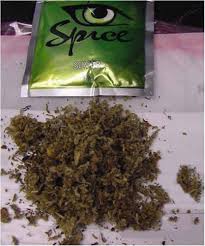
- “Herbal incense” as slang for synthetic cannabinoids: In certain contexts, particularly in drug harm-reduction literature, “herbal incense” or “synthetic herbal incense” refers to plant material sprayed with synthetic cannabinoids — a dangerous, often illegal product. This guide is entirely about the traditional, legitimate category of plant-based aromatic incense.
True herbal incense is made from dried, ground, or whole plant materials — the same herbs, resins, and botanicals that have been burned for ceremonial, spiritual, therapeutic, and sensory purposes across cultures for thousands of years.
Why the Distinction Matters
It matters because the term “herbal” is not regulated on product labels in most countries. A manufacturer can call their product “herbal incense” even if the only plant content is a pinch of dried herbs in an otherwise synthetic blend. Understanding what genuine herbal incense is gives you the critical lens to evaluate what you’re actually buying.
2. The Five Major Herbal Incense Traditions You Should Know
Herbal incense exists in virtually every culture that has had access to aromatic plants. But several major traditions have developed sophisticated, time-tested approaches to herbal incense that are particularly valuable to understand. These traditions represent different philosophical, aesthetic, and botanical approaches, and knowing them will dramatically expand your choices.
1. Ayurvedic Indian Tradition (Agarbatti)
India is the world’s largest producer of incense, and the Ayurvedic tradition provides its philosophical backbone. Ayurvedic incense uses herbs, resins, and aromatics not just for their pleasant scent but for their documented therapeutic properties — their effects on the doshas (Vata, Pitta, Kapha), on mental clarity, on digestion, and on spiritual wellbeing.
Key herbs in the Ayurvedic incense tradition include tulsi (holy basil), neem, brahmi, ashwagandha, vetiver, sandalwood, and camphor. Traditional Indian agarbatti (the word for stick incense) at its best is a complex herbal formulation informed by centuries of experimentation.
Best for: Those interested in wellness applications, Ayurvedic practice, or rich, complex Indian aromatic traditions.
2. Traditional Japanese (Kōdō)
Japanese incense culture, centered on the art of kōdō (the “way of incense”), is arguably the most refined herbal incense tradition in the world. Japanese incense makers use the highest-quality botanical ingredients — agarwood (aloeswood), sandalwood, clove, star anise, cinnamon, and other spices — in formulations developed over centuries.
Japanese incense is notable for its subtlety, precision, and absolute commitment to natural ingredients. It typically produces less smoke than Indian-style incense and is designed for quiet, attentive appreciation rather than background ambiance. Japanese houses like Shoyeido, Baieido, and Nippon Kodo have maintained these standards for hundreds of years.
Best for: Meditation, quiet contemplation, those who prefer subtle and nuanced aromas, purists seeking guaranteed natural content.
3. Tibetan Herbal Tradition
Tibetan incense is made from the abundant medicinal herbs of the Himalayan region — juniper, rhododendron flowers, rock rose, nagi root, spikenard, valerian, and dozens of other high-altitude botanicals. Tibetan incense is characterized by its deeply earthy, medicinal, and smoky scent profile — very different from the sweet or floral character of some other traditions.
Traditional Tibetan incense is produced by monasteries and small producers, often in forms like hand-rolled rope incense or irregular sticks. The formulations are frequently based on traditional Tibetan medicine (Sowa-Rigpa), where plants are selected as much for their healing properties as for their fragrance.
Best for: Those seeking grounding, deeply earthy aromas; practitioners of Tibetan Buddhism or yoga; anyone interested in the medicinal-aromatic overlap.
4. Indigenous North American Smudging Tradition
The practice of burning bundles of dried herbs — most commonly white sage (Salvia apiana), cedar, sweetgrass, and mugwort — comes from Indigenous North American traditions where smoke from sacred plants is used for purification, prayer, and ceremony.
This tradition has become widely adopted in mainstream wellness culture, which has created important ethical considerations around cultural appropriation and sustainability (white sage, in particular, is overharvested). When choosing smudge-style herbal incense, it’s important to consider the source, the sustainability of the harvest, and whether you’re purchasing from Indigenous-owned businesses or at minimum from companies that respect the tradition’s origins.
Best for: Space clearing and purification, spiritual cleansing practices, connection to plant medicine traditions.
5. Middle Eastern and North African Resin Tradition
The burning of aromatic resins — frankincense, myrrh, benzoin, copal, opoponax, and others — is one of the oldest incense traditions in the world, documented in ancient Egypt, the Arabian Peninsula, and across the Mediterranean. This tradition uses resins collected from trees and burned directly on hot charcoal discs, producing rich, sacred-smelling smoke with deep cultural and spiritual resonance.
Resin incense is in many ways the purest form of herbal incense — you are burning the raw exudate of a tree with no processing beyond drying, no binders, no additives. What you get is the direct aromatic chemistry of the plant.
3. Matching Herbal Incense to Your Purpose and Intention
One of the most important choices you’ll make when selecting herbal incense is matching your product to your actual intention. Herbal incense is not one-size-fits-all. Different herbs, different blends, and different traditions serve different purposes with different effects.
For Meditation and Mindfulness
The ideal herbal incense for meditation creates a calm, focused atmosphere without being distracting or overwhelming. You want something that anchors the senses without dominating them.
Best herbs and scents: Sandalwood (calming, centering), frankincense (deepens breath, elevates awareness), agarwood/oud (grounding, profound), cedarwood (steady, protective), vetiver (deeply grounding, quieting mental chatter), benzoin (warm, comforting).
Best formats: Japanese koh sticks (subtle, long-burning, minimal smoke), Tibetan stick incense (earthy, grounding), loose resin on charcoal (direct, customizable intensity).
For Sleep and Relaxation
When the goal is to transition into rest, you want herbs with genuinely relaxing and sedative properties — not just pleasant smells, but botanicals with documented effects on the nervous system.
Best formats: Herb bundles, loose herb blends burned briefly before sleep, low-smoke gentle sticks.
For Energy and Focus
Some aromatic herbs are stimulating rather than relaxing — useful for work, study, creative practice, or morning rituals.
Best herbs: Rosemary (cognitive performance support, one of the most studied herbs for mental clarity), peppermint (alertness, fresh mental energy), eucalyptus (opens airways, promotes alertness), citrus peel (lemon, orange — uplifting and energizing), ginger (warming and activating).
Best formats: Loose herbs burned briefly, herb sticks or bundles for short burns, herb-infused cones for quick aromatic impact.
For Spiritual Practice and Ceremony
Aromatic plants used in ritual and ceremony are chosen for their capacity to create a threshold experience — a sense of crossing into sacred space and time.
Best herbs and resins: Frankincense (universally used in religious traditions worldwide), myrrh (purification, ancestral connection), white sage (clearing, protection in the North American tradition), copal (Mesoamerican sacred resin), palo santo (sacred wood of South America — purifying and uplifting), benzoin (Benzoin Siam for sweetness, Benzoin Sumatra for depth), dragon’s blood resin (protection, power).
Best formats: Loose resin on charcoal (most authentic for ceremony), smudge bundles, hand-rolled Tibetan sticks.
For Mood Enhancement and Wellbeing
Best herbs: Rose (heart-opening, joyful), jasmine (euphoric, sensual), ylang-ylang (intoxicating floral), neroli/orange blossom (warm, hopeful), bergamot (uplifting, fresh), geranium (balancing, rosy).
Best formats: Any format you enjoy — the variety and pleasure of exploration is part of the practice.
4. Understanding Herbal Incense Ingredients: What to Look For
The quality of any herbal incense product ultimately comes down to the quality of its ingredients. Understanding what goes into excellent herbal incense helps you evaluate products with confidence.
The Core Aromatic Ingredients
Resins: Frankincense, myrrh, benzoin, copal, dragon’s blood, labdanum. Resins are the fragrant exudates of trees — essentially, concentrated aromatic chemistry in solid form. They are among the richest, most complex, and most long-burning aromatic materials available. High-quality resin content is a strong positive indicator in any herbal incense blend.
Woods: Sandalwood, cedarwood, agarwood, rosewood, pine. Aromatic woods contribute woody, warm base notes and slow, steady combustion. Genuine wood powders (as opposed to plain sawdust) are fundamental to good stick incense structure.
Herbs and flowers: Lavender, rose petals, jasmine flowers, chamomile, rosemary, sage, mint, mugwort, calendula, thyme, lemon balm. Dried herbs and flowers bring lighter, greener, more volatile aromatic top notes. They tend to burn faster than resins and woods, so they’re often combined with slower-burning base materials.
Roots: Vetiver root, valerian root, orris root, calamus root, elecampane. Roots tend to provide earthy, deep, sometimes intensely aromatic base notes. Vetiver in particular is one of the most complex aromatic roots available, with a smell often described as smoky, earthy, and woody with hints of leather.
Essential oils (in some products): Some high-quality herbal incense is additionally scented with pure essential oils. When these are genuine plant-distilled oils (not synthetic fragrance oils), they add aromatic richness and can extend the aromatic profile.
The Role of Binders
Every incense stick or cone needs something to hold the powdered ingredients together. The binder used says a lot about a product’s quality.
Natural binders (positive indicators):
- Makko powder (from Thunbergia laurifolia bark): The gold standard natural incense binder, traditional in Japanese incense-making. Makko is itself combustible and has its own subtle scent.
- Guar gum: A natural plant gum that binds well without affecting scent.
- Tragacanth gum: Traditional binder used in Middle Eastern and South Asian incense traditions.
- Honey: Used in some Ayurvedic formulations, adds sweetness and helps binding.
- Tamarind paste: Traditional binder in some Indian incense styles.
Synthetic or low-quality binders (warning signs):
- PVA (polyvinyl acetate) or other synthetic adhesives: These don’t burn cleanly.
- Unspecified “binders” on a label: Always ask what the binder is.
- Heavy charcoal as the primary base: While charcoal is natural, charcoal-base sticks rely heavily on the charcoal for combustion and readily absorb synthetic fragrance oils — charcoal-base format is a common vehicle for synthetic incense.
5. Forms and Formats: Sticks, Cones, Loose Herbs, Smudges, Resins, and More
Incense Sticks (Agarbatti)
The most familiar and widely used format. Sticks come in two main varieties:
Masala sticks: Made by rolling a paste of aromatic ingredients (resins, herbs, woods, binders) around a thin bamboo core. Masala sticks tend to have a richer, more complex aromatic profile because the paste can contain substantial amounts of actual botanical material.
Charcoal-base sticks: Made by coating a bamboo core with a mixture of charcoal powder, wood powder, and fragrance. These burn more readily than masala sticks and are often used for synthetic fragrance delivery.
Best for: Daily use, background ambiance, extended burn sessions. Standard sticks burn for 30–90 minutes depending on length and quality.
What to look for: Masala-style construction, natural binders listed, specific botanical ingredients named, consistent burn.
Incense Cones
Cones are compact and self-supporting — no holder needed beyond a heat-resistant surface. They burn faster than sticks (typically 20–40 minutes) and produce a concentrated aromatic burst.
Back-flow cones (also called waterfall cones) are specially designed with a hollow core that makes the smoke flow downward — a striking visual effect. These are mainly aesthetic and the smoke quality depends entirely on the ingredients.
Best for: When you want a shorter, more intense aromatic experience; good for smaller spaces or when you only have time for a brief burning session.
What to look for: Dense, firm texture; matte surface (not glossy or oily); earthy or complex scent unlit; specific ingredients listed.
Loose Herb Blends
Dried herbs, flowers, and botanical materials sold loose for burning on charcoal discs or in fire-safe vessels. This is one of the most authentic and customizable formats.
You control how much you burn, the combination of herbs, and the intensity of the experience. Loose herb blends can range from simple (a single herb like dried lavender) to complex ceremonial blends of a dozen or more botanical ingredients.
Best for: Experienced practitioners, those who want maximum control, ceremony and ritual use, those exploring specific herbs and their effects.
What to look for: Visible, identifiable botanical materials; pleasant cold scent; no suspicious uniformity (real dried herbs vary in appearance); clear labeling of what’s in the blend.
Smudge Sticks and Herb Bundles
Best for: Space clearing, purification rituals, outdoor ceremony, connecting with plant medicine traditions.
What to look for: Identifiable, quality plant material; tight, well-dried bundle; sustainable sourcing (especially important for white sage); Indigenous-owned sourcing where possible.
Resin Incense
Raw tree resins — frankincense, myrrh, copal, benzoin, dragon’s blood — burned on charcoal discs in a dedicated burner (often a thurible or simple heatproof vessel). Resin burning requires a bit more equipment than other formats but delivers the most direct, unadulterated plant aromatic experience.
Best for: Ceremony, deep meditation, maximum aromatic authenticity, blending and experimentation.
What to look for: Natural resin appearance (irregular chunks, natural color variation); pleasant cold scent; specific origin information (e.g., “Boswellia sacra from Oman” rather than just “frankincense”).
Rope Incense
Best for: Tibetan Buddhist practice, extended ceremonies, those who love deeply earthy, medicinal scent profiles.
What to look for: Hand-twisted irregular appearance (authentic rope incense is handmade and irregular); earthy, medicinal, or herbal cold scent; monastery or small-producer sourcing.
Incense Coils
Spiral coils made from the same material as sticks but shaped to burn for much longer — sometimes 8–24 hours. Used traditionally in Chinese temples and for overnight burning.
Best for: Extended ambiance, overnight burning (with appropriate fire safety), large spaces.
What to look for: Same quality indicators as sticks; note that very long burn times increase smoke accumulation in enclosed spaces.
6. How to Evaluate Quality Before You Buy
Whether you’re shopping in a physical store or online, these evaluation techniques will help you assess herbal incense quality before committing to a purchase.
The Cold Scent Test
If you can smell the product before buying, do so carefully. Smell the incense itself, not just the box.
What you don’t want: An overwhelming, one-dimensional, or perfumey scent; a chemical undertone; a smell that reminds you more of synthetic air freshener than of actual plants.
The Texture and Appearance Check
Examine the physical quality of the incense:
- Sticks: Look for consistent color that matches the stated botanical ingredients; slightly rough or matte texture; firm but not brittle consistency; bamboo core proportional to coating.
- Cones: Dense, firm, matte; holds its shape when gently pressed; no oily sheen.
- Loose herbs: Identifiable plant material; varied natural colors; no suspicious uniformity or artificial color.
- Resins: Irregular natural chunk shapes; characteristic color (frankincense: pale yellow to amber; myrrh: reddish-brown; copal: golden to pale).
The Ingredient Transparency Test
Can you identify specifically what’s in this product? The more specific the ingredients list, the more confident you can be:
- Good: “Boswellia sacra resin, Santalum album powder, clove bud, vetiver root, makko binder”
- Acceptable: “Frankincense resin, sandalwood, clove, natural binder”
- Suspicious: “Natural herbs and spices, fragrance”
- Red flag: “Fragrance, wood powder, binder” — no actual herbs named
Brand Research
Before purchasing from an unfamiliar brand, spend five minutes researching them:
- Do they have a detailed “About” page explaining their production methods?
- Do they list their ingredient sources?
- Are there genuine reviews from knowledgeable buyers (not just generic 5-star reviews)?
- Is there a community of engaged customers who discuss the products?
7. Reading Labels and Understanding Ingredient Transparency
What a Good Label Includes
- Specific botanical ingredients with quantities or percentages where possible: “Contains Boswellia serrata (15%), Santalum album (20%), Lavandula angustifolia (10%), Commiphora myrrha (5%), makko powder (50%)”
- Country of origin for key ingredients: “Frankincense sourced from Oman, sandalwood from Australian plantations”
- Production method: “Hand-rolled,” “stone-ground,” “traditionally formulated”
- Any relevant certifications: Organic, fair-trade, sustainably sourced
- Clear statement about synthetic fragrances: “Contains no synthetic fragrances” is a positive claim (verify by other means)
What Should Concern You on a Label
- “Fragrance” or “perfume” as an ingredient: This single term can legally cover hundreds of synthetic compounds.
- Unspecified “herbs” or “botanicals”: If they don’t name them, they may not be significant in the formulation.
- Very long lists of unpronounceable chemicals: Legitimate natural herbal incense should have mostly recognizable plant names.
- “Natural identical” or “nature-identical”: These are synthetic compounds designed to mimic natural molecules — they are not natural.
- Absence of any ingredient information: If a product provides no ingredient information at all, treat it with strong suspicion.
Certification Marks
Some certifications add meaningful assurance:
- USDA Organic / EU Organic: Certifies that plant materials were grown without synthetic pesticides or fertilizers.
- Fair Trade Certified: Certifies ethical supply chain practices — relevant for ingredients from developing countries.
- Rainforest Alliance: Relevant for forest-sourced ingredients (resins, agarwood).
- Non-GMO Verified: Less critical for incense than for food but shows attention to ingredient sourcing.
No single certification guarantees perfect quality, but their presence indicates a producer who takes ingredient sourcing seriously enough to pursue third-party verification.
8. Price Ranges and What They Tell You
Price is an imperfect but useful signal. Understanding what genuine herbal ingredients cost provides a reality check on what’s plausible at different price points.
Budget Range ($0.05–$0.25 per stick)
Typical examples: Mass-market Indian agarbatti, generic novelty incense, dollar-store and tourist-shop products.
Mid Range ($0.25–$1.00 per stick)
This is where genuinely natural herbal incense begins to become commercially viable. Reputable makers using real botanical ingredients, without exotic rarities like agarwood, can produce excellent herbal incense in this range. Many very good Indian, Tibetan, and specialty herbal incense products fall here.
Typical examples: Quality Indian masala sticks from established houses, Tibetan monastery incense, mid-range Japanese incense, good-quality herbal blends from dedicated producers.
Premium Range ($1.00–$5.00+ per stick)
Premium herbal incense in this range typically includes rare, labor-intensive, or certified-organic ingredients; Japanese koh sticks from traditional houses; high-grade resin blends; or small-batch artisanal products with verifiable ingredient sourcing.
Typical examples: Shoyeido and Baieido premium lines, high-grade frankincense and oud blends, certified organic herbal incense from specialist producers.
Resin, Loose Herb, and Smudge Pricing
These formats are priced differently from sticks:
- Loose resin: $5–30 for 30g depending on rarity (frankincense is more affordable; oud resin is extremely expensive)
- Smudge bundles: $3–15 for a single bundle depending on herb, size, and sourcing
- Loose herb blends: $5–20 per ounce depending on ingredients
9. Choosing by Scent Profile: A Comprehensive Aromatic Guide
Beyond purpose and tradition, you need to love how your herbal incense smells. Here is a practical guide to the major scent families and what they’re composed of.
Earthy and Grounding
Characteristic herbs: Vetiver, patchouli, valerian root, oakmoss, mushroom, tobacco leaf, costus root
What it smells like: Deep, soil-like, sometimes slightly funky or animalic, intensely grounding. These scents literally bring you into contact with the Earth — they smell like forest floors, damp soil, and root cellars.
Best for: Grounding practices, anxiety relief, reconnecting with the body, deep meditation, late autumn and winter rituals.
What to expect when burned: Vetiver in particular intensifies and becomes richer and smokier when burned. Patchouli becomes rounder and less sharp than it does raw.
Woody and Resinous
Characteristic herbs: Sandalwood, cedarwood, frankincense, benzoin, copal, elemi, pine resin, juniper
What it smells like: Warm, rich, slightly sweet, with the clean structural scent of living wood and tree resin. These are arguably the most universally appealing incense scents — almost nobody dislikes good sandalwood or frankincense.
Best for: Meditation, daily use, creating a warm home atmosphere, spiritual practice, focus and clarity.
What to expect when burned: Frankincense opens and becomes sweeter and more luminous when burned. Cedarwood becomes warmer and more balsamic. These are scents that genuinely improve on combustion.
Floral and Sweet
Characteristic herbs: Lavender, rose petals, jasmine, ylang-ylang, neroli, chamomile, helichrysum
What it smells like: Sweet, soft, sometimes powdery or green (lavender), sometimes rich and slightly indolic (jasmine, ylang-ylang), sometimes pure and delicate (rose, chamomile).
Best for: Relaxation, sleep, emotional healing, self-care rituals, romantic atmospheres.
What to expect when burned: Floral notes can become heady and intense when burned. A little goes a long way. Lavender is one of the most forgiving — it burns beautifully and isn’t overwhelming.
Herbal and Green
Characteristic herbs: Rosemary, sage, thyme, bay laurel, eucalyptus, mint, lemon balm, oregano
What it smells like: Fresh, slightly medicinal, green and alive. These are the smells of your herb garden in full summer growth — clean, vital, and mentally clarifying.
Best for: Mental focus, morning rituals, space clearing, supporting respiratory health (with good ventilation), energizing practice.
What to expect when burned: Green herbal notes can become slightly smokier and less fresh when burned, developing an appealing “campfire herb” quality. Rosemary in particular takes on a wonderful depth.
Smoky and Incense-Classic
Characteristic herbs: Myrrh, dragon’s blood, opoponax, agarwood, black copal, styrax
What it smells like: Deep, rich, slightly dark, with the distinctive quality of sacred smoke. These are the scents associated with religious ceremony and ancient ritual worldwide — they smell like history.
Best for: Deep ceremony, meditation, ancestral connection, powerful spiritual practice.
What to expect when burned: These scents are made for burning — their full aromatic complexity is only revealed through combustion.
Spicy and Warming
Characteristic herbs: Clove, cinnamon, cardamom, black pepper, star anise, ginger, nutmeg, allspice
What it smells like: Warm, stimulating, slightly sweet with heat. These spice scents are grounding but energizing — the aromatic version of a warming cup of chai.
Best for: Autumn and winter burning, warming cold spaces emotionally and atmospherically, digestive support rituals, Ayurvedic practice.
What to expect when burned: Clove and cinnamon can become very intense when burned in quantity — use sparingly in blends or expect powerful aromatic punch.
10. Herbal Incense for Specific Needs: A Practical Reference
This quick-reference section helps you match herbal incense choices to common specific needs.
For Anxiety and Stress Relief
Primary herbs: Lavender, chamomile, lemon balm, vetiver, frankincense, benzoin
Avoid: Stimulating herbs (rosemary, peppermint, eucalyptus) for evening use
Best format: Gentle, low-smoke sticks; loose herb blends burned briefly
Burn time: 30–45 minutes in a well-ventilated space
For Improving Sleep
Primary herbs: Lavender, chamomile, valerian, passionflower, mugwort, hops
Timing: Burn 30–60 minutes before bed, extinguish before sleeping
Note: Never burn incense while asleep
Best format: Brief-burning cones or a short stick that finishes before you sleep
For Clearing and Purifying a Space
Primary herbs: White sage, cedar, rosemary, palo santo, frankincense, juniper, black copal
Best format: Smudge bundle, loose herbs on charcoal, or purification-blend sticks
Method: Move through the space with the burning herb, directing smoke into corners and along walls
For Concentration and Mental Clarity
Primary herbs: Rosemary, frankincense, cedarwood, eucalyptus, sandalwood, black pepper
Best format: Japanese koh sticks (minimal distraction, subtle scent), or a brief burn of stimulating herbs before a work session
Burn during: Study, writing, creative work, focused tasks
For Grief and Emotional Processing
Primary herbs: Rose, frankincense, myrrh, benzoin, vetiver, copal
Note: These are traditional comfort herbs with long associations with mourning, remembrance, and spiritual connection across many cultures
Best format: Resin on charcoal for ceremony; gentle rose or benzoin sticks for daily support
For Love and Connection Rituals
Primary herbs: Rose, jasmine, ylang-ylang, damiana, patchouli, cinnamon
Best format: Cones or sticks for extended atmosphere; loose petal blends for ceremonial use
11. Safety Considerations and How to Burn Responsibly
Natural and herbal does not automatically mean risk-free. Responsible use of herbal incense includes understanding and managing legitimate safety considerations.
Ventilation Is Non-Negotiable
All burning incense produces smoke and fine particulate matter, regardless of how natural or high-quality the ingredients are. Burning incense in a completely sealed room leads to particulate accumulation that can be irritating or harmful to airways, especially for sensitive individuals.
The rule: Always burn incense in a ventilated space. A slightly open window, a working ventilation system, or outdoor burning are all appropriate. This simple step mitigates the vast majority of air quality concerns associated with incense use.
Fire Safety
Never leave burning incense unattended. This applies to all formats but is especially important for smudge bundles and loose resin on charcoal, which are less predictable in their burn behavior than contained sticks or cones.
Use a proper incense holder or burner:
- Sticks: Use a holder designed to catch ash and hold the stick securely vertical or at a shallow angle
- Cones: Use a heat-resistant, non-flammable surface; dedicated cone burners are ideal
- Charcoal and resin: Use a dedicated thurible or heavy heatproof vessel; charcoal burns very hot
- Smudge bundles: Use a large abalone shell, clay dish, or other fireproof vessel; keep water nearby
Keep all burning incense away from flammable materials — curtains, paper, fabric, wooden furniture.
Sensitive Populations
Some people should use herbal incense with extra caution or avoid it:
- Asthma and respiratory conditions: Smoke of any kind can trigger bronchospasm. Those with asthma should consult their healthcare provider and burn only in well-ventilated spaces or avoid indoor burning.
- Pregnancy: Some herbs (sage, mugwort, rosemary in large amounts) have traditional associations with uterine stimulation. Pregnant individuals should consult their healthcare provider before burning herbal incense.
- Infants and young children: Children’s respiratory systems are more vulnerable to particulate matter. Minimize incense burning around infants and young children; always ensure excellent ventilation.
- Pets: Birds in particular are highly sensitive to airborne particles and volatile compounds. Avoid burning incense in rooms with birds. Dogs and cats can also be sensitive.
Herb-Specific Notes
Some herbs warrant specific caution:
Mugwort (Artemisia vulgaris): Has emmenagogue properties (stimulates uterine contractions); avoid during pregnancy.
Pennyroyal: Traditionally used in incense but contains pulegone, a toxic compound; avoid burning in enclosed spaces.
Wormwood: Contains thujone; burn with caution and excellent ventilation.
Camphor: Common in Ayurvedic incense; highly flammable and volatile. Use carefully.
12. Building Your Herbal Incense Collection Over Time
Approaching herbal incense as a practice — something you develop and deepen over time — rather than just a product category leads to a richer and more rewarding experience.
Start Simple
Begin with one or two well-chosen, verifiably natural single-ingredient or simple-blend products. This gives you a reliable reference point and helps you develop olfactory literacy.
Good starting points:
- A quality stick of genuine sandalwood or frankincense
- A bundle of dried lavender
- A small amount of frankincense resin with a charcoal disc
Develop Your Olfactory Memory
Actively train your sense of smell alongside your incense practice. Smell the herbs in your kitchen. Visit a farmers’ market and smell fresh and dried botanicals. Smell a quality essential oil alongside the burned incense made from the same plant. This calibrates your nose and helps you identify genuinely natural products.
Keep Notes
A simple incense journal — the product, source, ingredients, scent notes, and your response — builds invaluable personal knowledge over time. After a year of mindful incense use with notes, you’ll have a sophisticated personal reference guide that no general article can substitute.
Explore Gradually Across Traditions
Once comfortable with one or two starting products, explore systematically: try a Japanese-style stick, then a Tibetan blend, then a loose resin. Each tradition introduces you to new ingredients and aromatic profiles, and you develop a genuine sensory education.
Source Directly When Possible
As you develop knowledge and preferences, sourcing directly from producers — Japanese incense houses, Tibetan monastery online shops, small Ayurvedic producers — gives you the most reliable access to genuine natural products and often the best value.
13. Where to Buy Herbal Incense: Finding Trustworthy Sources
Your source matters as much as the product. The same herbs in a product from a trustworthy, transparent producer versus a generic marketplace seller represent very different propositions.
Specialty Incense Retailers
Physical and online shops dedicated to incense with deep product knowledge are your most reliable source. Good specialty retailers curate their stock, know their producers, and can answer detailed questions about ingredients and sourcing.
Direct from Traditional Producers
Many genuine herbal incense makers sell directly online:
- Japanese incense houses (Shoyeido, Baieido, Nippon Kodo’s premium lines)
- Tibetan monastery stores and organizations supporting Tibetan producers
- Indian Ayurvedic producers and certified natural wellness brands
- Small artisanal herbal incense makers who disclose their sources
Herbalists and Apothecaries
Traditional herbalists and apothecaries often carry genuine botanical incense materials alongside their medicinal herb lines. These suppliers are generally very knowledgeable about plant quality.
Farmers’ Markets and Craft Fairs
Small producers selling directly at markets often make genuinely natural, locally-sourced herbal incense. You can ask them directly about their ingredients and processes.
What to Approach with Caution
- Generic online marketplace listings from unknown international sellers
- Tourist shops and gift stores where incense is an impulse purchase item
- Mass-market health and wellness chains where natural claims aren’t carefully verified
- Any seller who can’t answer specific questions about their ingredients
14. Red Flags: What to Avoid When Shopping
A concise list of warning signs that suggest a herbal incense product is not what it claims to be:
Ingredient and Label Red Flags
- “Fragrance” or “perfume” listed as an ingredient without specification
- No ingredient list provided at all
- Vague terms like “natural botanical blend” without naming specific plants
- Artificial color additives listed (dyes have no place in genuine herbal incense)
Physical and Sensory Red Flags
- Unnaturally vivid colors (electric purple, bright red, vivid blue)
- Glossy, waxy, or oily surface on sticks or cones
- Overwhelming, one-dimensional scent before lighting
- Chemical or solvent undertone in the unlit scent
- Scent identical to a commercial air freshener or candle
Price and Marketing Red Flags
- Claims of exotic rare ingredients (oud, genuine sandalwood, jasmine absolute) at dollar-store prices
- Extravagant health claims without evidence
- Marketing language focusing entirely on scent intensity rather than botanical quality
- “Long-lasting fragrance” as a primary selling point (engineered fragrance persistence is a synthetic characteristic)
Burn and Smoke Red Flags
- Dark, billowing, or acrid smoke
- Scent that doesn’t transform or deepen when burned
- Harsh, headachy smell after burning
- Very fast burn time (under 25 minutes for a standard stick)
- Oily residue on incense holder after use
15. Final Thoughts: Developing Your Herbal Incense Practice
Choosing herbal incense is ultimately about developing a relationship with the plant world — a relationship mediated through smoke, scent, and the ancient human practice of burning aromatic plants to create meaning, beauty, and wellbeing.
The tools in this guide — understanding traditions, evaluating ingredients, reading labels, matching scent to purpose — are all in service of that relationship. They help you cut through the noise of a market full of mediocre and misleading products to find what genuinely serves you.
The best herbal incense you’ll ever burn is probably not sitting on the shelf of a generic store. It’s more likely to come from a Japanese incense house that has been refining its formulations for three centuries, a Tibetan monastery that collects its herbs from Himalayan valleys, an Indian Ayurvedic producer who works with certified organic growers, or a small local herbalist who makes their blends in small batches with plants they’ve sourced personally.
These products exist. Finding them requires exactly the kind of knowledge and discernment this guide has aimed to give you.
Start thoughtfully, develop your nose, take your time, and let the plants lead you. The aromatic world of herbal incense is one of the richest sensory traditions human culture has produced — and it’s entirely accessible to anyone willing to engage with it seriously.
Frequently Asked Questions
Q: Is herbal incense the same as aromatherapy? They overlap but aren’t identical. Aromatherapy specifically uses essential oils applied to the body or diffused in air. Herbal incense uses combustion to release plant aromatics — it shares botanical ingredients with aromatherapy but differs in delivery method.
Q: Can I make my own herbal incense? Yes, and it’s deeply rewarding. Loose herb blends for charcoal burning are the simplest starting point — just combine dried aromatic herbs and resins. Stick-making requires powdered ingredients, makko binder, and some practice, but is very achievable.
Q: How long does herbal incense keep? Well-made natural herbal incense stored in a sealed container away from light and heat typically keeps for 1–3 years. Some resin-rich blends and Japanese incense actually improve with age, like wine.
Q: Is daily incense burning safe? With good ventilation, moderate quantities, and genuine natural ingredients, daily incense burning is a practice followed by millions of people worldwide. Minimize smoke accumulation in enclosed spaces and be attentive to any respiratory sensitivity.
Q: What’s the most important single thing to look for? Specific, named botanical ingredients on the label. Everything else — smell, price, brand research — is supplementary. If a product can tell you exactly what plants are in it, you’re starting from an honest place.
Disclaimer: This guide is for informational purposes. Herbal incense is not intended to diagnose, treat, cure, or prevent any medical condition. Consult a healthcare professional if you have health concerns about incense use. Always follow fire safety guidelines.