The name “K2 herbal spray” sounds almost wholesome — herbal, natural, perhaps something you might find in a health food store. The reality is a powerful synthetic drug product that has sent tens of thousands of people to emergency rooms, triggered mass overdose events in cities across the world, and caused confirmed deaths in otherwise healthy young people. Understanding the gap between the name and the reality is the most important thing this guide can teach you.
If you are searching “what is K2 herbal spray,” you likely belong to one of several groups: a parent who found something concerning; a teacher or counselor trying to understand what students are encountering; a healthcare provider seeking clinical context; someone who has used or is considering using K2 and wants accurate information; or someone who cares about a person who uses it. This guide is written for all of you — in plain language, with complete honesty, and with the understanding that accurate information is the foundation of safety.
1. What K2 Herbal Spray Actually Is
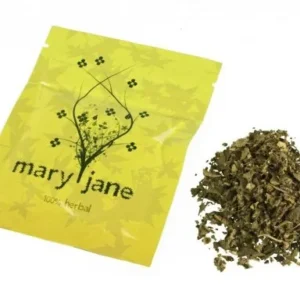
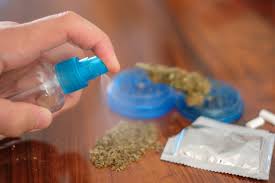
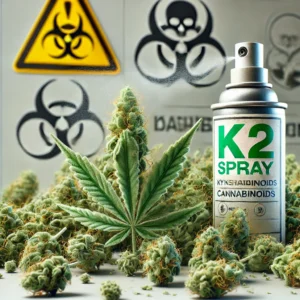
K2 herbal spray is the common name for a category of drug products that combine two components: an inert plant material base, and a synthetic cannabinoid compound applied to that base through a spray process. The result is a product that looks like dried herbs, smells like herbs or added fragrance, and is sold under the fiction that it is herbal incense — but functions as a powerful synthetic drug when smoked.
The “K2” in the name refers to the brand — one of the first and most widely recognized commercial names for synthetic cannabinoid products when they entered the U.S. market around 2008. “Herbal spray” describes both the manufacturing method (spraying synthetic compound solution onto plant material) and the legal disguise (presenting the product as a natural herbal product). Neither the “herbal” nor the “incense” descriptor is accurate in any meaningful sense.
K2 herbal spray is part of a broader category known variously as synthetic cannabinoids, synthetic marijuana, spice, herbal incense, and legal highs. All of these terms refer to products built on the same technology: synthetic chemical compounds with cannabinoid receptor activity, applied to a smoking substrate and sold with misleading natural-product branding.
What Makes K2 “Herbal” — And Why That’s Misleading
The plant material in K2 herbal spray products — often damiana, marshmallow leaf, mullein, rose petals, or similar botanicals — is entirely pharmacologically irrelevant. These herbs contribute nothing to the drug’s effects. They could be replaced with shredded paper or synthetic fiber and produce identical results, because the effects come entirely from the synthetic cannabinoid compound that has been sprayed onto them, not from the plant material itself.
The “herbal” label serves one purpose: legal and commercial cover. By presenting the product as a natural herbal product rather than a drug, manufacturers create regulatory distance from drug laws and build consumer perception of naturalness and safety that has no basis in the product’s actual composition or effect profile.
700+Distinct synthetic compounds found in K2 herbal spray products worldwide
800×More potent than THC at cannabinoid receptors — some compound variants
0Approved antidotes for K2 herbal spray overdose exist anywhere
2. What’s Really Inside: Breaking Down the Ingredients
Consumer understanding of what K2 herbal spray actually contains is extremely poor — a condition deliberately cultivated through misleading labeling. Here is what these products actually contain, layer by layer.
The Plant Material (The Inert Component)
The visible botanical material in K2 herbal spray products varies between manufacturers and batches. Common plant materials include damiana leaf, marshmallow herb, lion’s tail, blue lotus, passion flower, and various other dried botanicals. None of these contribute meaningfully to the product’s psychoactive effects. They are chosen for their visual appearance, combustion properties, and ability to support the “natural herbal product” marketing claim.
In some products, the “herbal” base is not botanical at all — shredded synthetic material, treated paper, or other substrates are used. The description “herbal” in the product name has no requirement to be accurate and often isn’t.
The Synthetic Cannabinoid Compound (The Active Component)
The actual drug in K2 herbal spray is a synthetic cannabinoid compound — a human-made molecule engineered to bind to the brain’s cannabinoid receptors. More than 700 distinct synthetic cannabinoid compounds have been identified in commercial herbal spray products by forensic laboratories. The specific compound present is:
Not disclosed on product labeling. Not consistent between batches. Not consistent between products under the same brand name. Continuously changing as manufacturers modify molecular structures to stay ahead of scheduling laws. Only identifiable through specialized laboratory testing not available at most point-of-care settings.
The Solvent Carrier
Synthetic cannabinoid compounds must be dissolved in a solvent before being applied to the plant material. Common solvents include acetone, ethanol, and other organic compounds. In many products, solvent residue remains in the finished product, meaning users are inhaling combustion products of industrial solvents in addition to the synthetic cannabinoid compound itself.
Undisclosed Adulterants
Laboratory testing of K2 herbal spray products has identified adulterants including synthetic opioids (including fentanyl), benzodiazepines, heavy metals from impure synthesis processes, pesticide residues, and — in the most dramatic documented case, the 2018 brodifacoum outbreak — rat poison anticoagulant that caused life-threatening bleeding disorders in more than 300 people across multiple U.S. states.
Critical Ingredient Warning
The ingredient list on K2 herbal spray packaging — typically listing botanical names like “damiana leaf, passion flower, lion’s tail” — describes only the inert plant base. The active synthetic cannabinoid compound, any solvent residue, and any adulterants are not listed. The ingredients label tells you almost nothing about what you are actually consuming.
3. How K2 Herbal Spray Is Made — and Why That Creates Risk
Understanding the manufacturing process of K2 herbal spray is essential for understanding why it is so unpredictable and so dangerous. These products are not manufactured under any quality control standards. There are no Good Manufacturing Practice regulations, no batch testing requirements, no potency verification, and no accountability for what ends up in the finished product.
The Spray Application Process
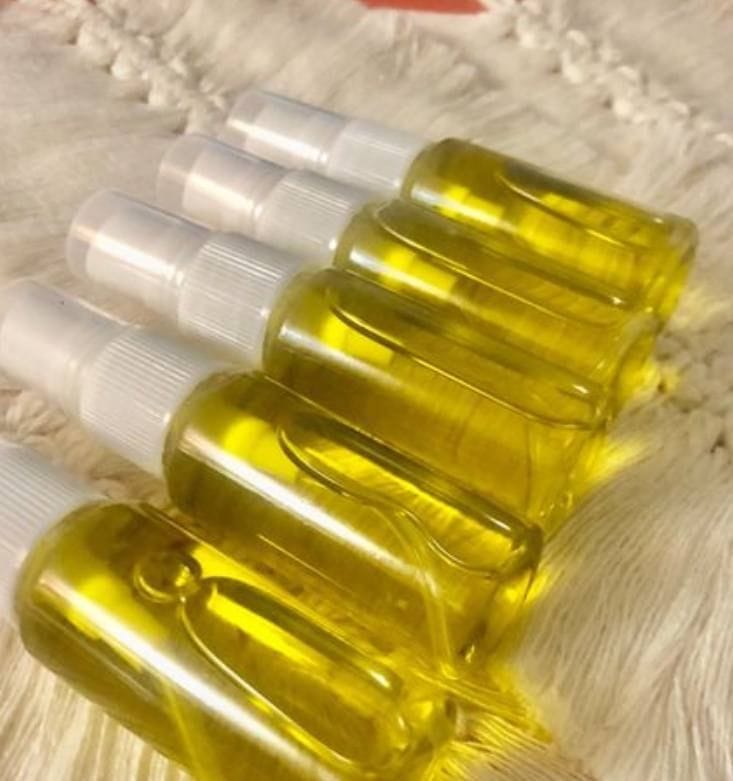
In its most basic form, K2 herbal spray manufacturing involves dissolving a synthetic cannabinoid compound in an organic solvent to create a liquid solution, then applying that solution to bulk plant material through spraying or tumbling. The material is then dried — sometimes thoroughly, sometimes not — and packaged.
The fundamental problem with this process is the impossibility of achieving uniform distribution. When a liquid is sprayed onto irregular, porous plant material in bulk, it does not distribute evenly. Some areas absorb more solution; others absorb almost none. The result is “hotspots” — regions within the same package that contain dramatically higher concentrations of active compound than surrounding material.
The Hotspot Problem
Hotspot distribution has been confirmed by independent laboratory analysis of K2 herbal spray products. In documented testing, synthetic cannabinoid content has varied by more than 300% between different portions of the same package. A piece of product from a high-concentration hotspot may contain three, four, or more times the dose of a piece from a low-concentration area — with no visual, olfactory, or textural difference between them.
This mechanism is directly responsible for a large proportion of accidental overdoses involving K2 herbal spray products. Users who have used the same product multiple times without severe adverse effects may be consuming from low-concentration areas of successive packages. When they encounter a hotspot — in the same package or a new one — they receive a dramatically higher dose than they expected, with no warning.
The Rotating Formulation Problem
The compound used in K2 herbal spray products changes constantly, driven by the scheduling arms race between manufacturers and regulatory agencies. When a specific synthetic cannabinoid is placed on Schedule I or state equivalent, manufacturers switch to a structurally modified variant that is not yet scheduled. The new compound may be more potent, may have different pharmacological properties, and may have a completely different risk profile — but it appears in products sold under the same brand names, in the same packaging, without any notification to consumers.
The Prior-Use Fallacy
“I’ve used this before without problems” provides essentially no protection with K2 herbal spray products. The compound may have changed between purchases. The concentration may vary within the same package. What felt manageable last time may be entirely different this time, from the same product, under the same brand name, purchased from the same source.
4. The Science: Why K2 Is So Much More Dangerous Than Cannabis
The most important pharmacological fact about K2 herbal spray — the fact that explains most of its danger — is the distinction between partial agonism and full agonism at cannabinoid receptors.
The Endocannabinoid System
The human brain contains a network of receptors called the endocannabinoid system (ECS), which regulates mood, memory, pain, appetite, sleep, stress response, immune function, and many other processes. CB1 receptors — found densely throughout the brain, particularly in regions governing emotion, memory, and movement — are the primary target of both THC and synthetic cannabinoids.
Partial vs. Full Agonism: The Critical Difference
THC from natural cannabis is a partial agonist at CB1 receptors. It activates them partially — to perhaps 40-60% of maximum possible activation — and then stops. The system retains some regulatory capacity even during intoxication. This partial activation has a natural ceiling that limits how far the neurological disruption can go.
Synthetic cannabinoids in K2 herbal spray are full agonists. They activate CB1 receptors to their absolute maximum — 100% — and hold them there for as long as the compound is present. The brain has no internal mechanism to buffer this stimulation. Every system the ECS regulates is simultaneously disrupted to the maximum degree the receptor can produce.
Compounding this, many synthetic cannabinoid compounds bind to CB1 receptors with far greater affinity than THC — meaning they attach more firmly and are displaced less easily. Potency compared to THC ranges from 10 times greater to 800 times greater depending on the specific compound. At these potency levels, the margin between a “manageable” dose and a life-threatening dose may be measured in milligrams or fractions of milligrams.
| Property | Natural Cannabis (THC) | K2 Herbal Spray |
|---|---|---|
| Receptor mechanism | Partial agonist — natural ceiling | Full agonist — maximum activation, no ceiling |
| Potency vs. THC | Baseline | 10× to 800× greater |
| Dose consistency | Reasonably consistent in a batch | Highly variable — hotspot distribution |
| Cardiac risk | Mild transient heart rate increase | Cardiac arrest, heart attack documented |
| Psychosis risk | Low-moderate in vulnerable users | High — documented in first-time users |
| Kidney risk | Minimal | Acute kidney injury documented |
| Overdose deaths | None confirmed from THC alone | Multiple confirmed deaths attributed |
| Antidote | Not required for most cases | None exists anywhere |
| Drug test detection | Detected on standard panels | Not detected on standard panels |
5. Effects on the Body: What the Research Shows
The physical health consequences of K2 herbal spray exposure are extensive and affect multiple organ systems simultaneously. Because the endocannabinoid system is distributed throughout the body, and because many synthetic cannabinoid compounds also interact with receptor systems beyond the ECS, the resulting harm is rarely confined to a single system.
Cardiovascular System
Tachycardia exceeding 150 beats per minute, dangerous blood pressure elevation, ventricular arrhythmias, myocardial infarction in young and otherwise healthy individuals, and cardiac arrest — all documented in clinical literature. Cardiovascular complications are among the most acutely life-threatening effects and have caused confirmed deaths in users with no prior cardiac history.
Kidneys
Acute kidney injury (AKI) requiring dialysis has been documented in cluster events linked to specific K2 batches, with multiple users developing AKI simultaneously from the same product. Some cases have resulted in permanent kidney damage. Mechanism involves probable direct nephrotoxicity from synthetic compounds or their metabolites.
Respiratory System
Direct pulmonary damage from combustion products of the plant material and solvent residues, respiratory depression in severe overdose (creating aspiration risk), and vaping-format products associated with acute lung injury similar to the EVALI syndrome documented in the 2019-2020 vaping crisis.
Blood & Coagulation
The 2018 brodifacoum contamination outbreak produced life-threatening bleeding disorders in 300+ people across multiple states, with at least 8 confirmed deaths. Brodifacoum — a long-acting rat poison anticoagulant — was found in K2 products without any disclosure. Unexplained bleeding in a K2 user is a medical emergency requiring immediate evaluation.
Muscles
Rhabdomyolysis — severe muscle tissue breakdown releasing myoglobin into the bloodstream — has been documented in overdose cases. Myoglobin in the blood is toxic to the kidneys, compounding any direct renal effects and creating additional risk of kidney failure requiring dialysis.
Gastrointestinal System
Severe nausea and vomiting are among the most common physical symptoms of K2 intoxication. Vomiting during impaired consciousness creates significant aspiration risk. Some regular users develop cyclical vomiting patterns similar to cannabinoid hyperemesis syndrome but reported as more severe.
6. Symptoms: From Mild Intoxication to Medical Emergency
K2 herbal spray intoxication produces a wide range of symptoms that vary with dose, chatworldlink.com compound, individual biology, and prior exposure. The critical point — and one that has contributed to many adverse outcomes — is that there is no reliable plateau. Mild initial symptoms provide no guarantee about how severe the experience may become, and deterioration from manageable intoxication to life-threatening medical emergency can occur within minutes.
Mild to Moderate Effects
- Elevated mood, euphoria
- Relaxation and sedation
- Altered perception of time
- Increased appetite
- Red eyes, dry mouth
- Mild heart rate increase
- Impaired coordination
- Difficulty concentrating
- Mild anxiety or paranoia
- Nausea
Severe / Emergency Effects
- Acute psychosis, hallucinations
- Extreme agitation or violence
- Seizures and convulsions
- Unresponsiveness or coma
- Chest pain or cardiac arrest
- Dangerously elevated blood pressure
- Vomiting with aspiration risk
- Acute kidney failure
- Stroke
- Death
Call 911 Immediately If You See
Loss of consciousness or inability to rouse the person. Seizure or convulsive movements. Chest pain or racing heart. Breathing that is labored, very shallow, or has stopped. Vomiting in a person not fully conscious. Extreme terror or aggression. Face drooping, arm weakness, or slurred speech. Unexplained bleeding from any site. Do not wait to see whether symptoms resolve. There is no antidote — rapid emergency response is the only intervention that reliably prevents serious outcomes.
7. Mental Health and Neurological Consequences
The neurological and psychiatric consequences of K2 herbal spray use are among its most serious and most frequently underestimated dangers. They range from acute psychiatric crises to lasting structural changes in the brain — and can occur in people with no prior psychiatric history, sometimes after a single exposure.
Acute Psychosis
Full agonism at CB1 receptors throughout the prefrontal cortex, hippocampus, and amygdala produces neurological disruption that can manifest as complete psychotic breaks — with hallucinations, paranoid delusions, and disorganized thinking indistinguishable in the acute phase from schizophrenia. Emergency department physicians across the country have documented cases of first-time K2 users presenting in full psychosis with no prior psychiatric history. This represents a categorically different risk profile from natural cannabis, where psychosis is associated with heavy long-term use in genetically vulnerable individuals.
Long-Term Cognitive Effects
Regular K2 herbal spray use has been associated with persistent memory impairment, reduced processing speed, impaired attention, and diminished executive function. Neuroimaging studies have documented structural correlates of these deficits: hippocampal volume reduction and white matter tract abnormalities consistent with disruption of the brain’s communication infrastructure. Some of these changes appear to persist for months to years after cessation of use.
Physical Dependence and Withdrawal
K2 herbal spray produces physical dependence that generates a withdrawal syndrome when use stops. Unlike natural cannabis withdrawal — which is real but not medically dangerous — synthetic cannabinoid withdrawal has been compared by clinicians to opioid withdrawal in terms of subjective distress. Symptoms include severe anxiety, sweating, nausea, vomiting, muscle cramps, tremors, heart palpitations, insomnia, and intense cravings. The severity of withdrawal is a primary driver of continued use in dependent individuals and a significant barrier to recovery without medical support.
“The assumption that K2 is ‘like weed’ has cost people their lives. The pharmacology is completely different. The safety profile is completely different. The clinical presentation in adverse events is completely different.”Emergency Medicine Physician, Clinical Toxicology Review, 2023
8. Who Uses K2 Herbal Spray and Why
K2 herbal spray does not reach all populations equally. Specific groups are disproportionately affected, for reasons rooted in social, economic, and institutional realities.
Young People
Adolescents and young adults are among the most heavily marketed-to and most affected populations. Youth-oriented packaging and branding, the perception of legality and naturalness, lower price points than natural cannabis, and the inability of standard drug tests to detect synthetic cannabinoids all contribute to disproportionate use among young people. The developing brain’s heightened sensitivity to cannabinoid system disruption means the consequences for this age group are neurologically more severe and more lasting.
People Seeking to Evade Drug Testing
Standard urine drug screens do not detect synthetic cannabinoids — a fact that drives a significant proportion of K2 herbal spray use. People on probation, in drug-tested employment, in the military, or subject to school or athletic testing turn to K2 specifically because it does not appear on standard panels. This represents one of the most tragic public health ironies in the drug landscape: the effort to avoid consequences of natural cannabis use drives people toward a substance that is dramatically more dangerous.
People Experiencing Homelessness
K2 herbal spray is disproportionately prevalent among unhoused populations. Cost is the primary driver — synthetic cannabinoids are often significantly cheaper than natural cannabis. The role of substances in managing the unbearable conditions of street homelessness — chronic pain, fear, trauma, and the relentless stress of survival without shelter — drives use in ways that cannot be addressed by education or enforcement alone.
9. How to Identify K2 Herbal Spray Products
Recognizing K2 herbal spray products is not straightforward — they are specifically designed to look like something other than a drug. However, several markers can assist with identification.
Packaging characteristics: Foil envelopes preventing smell detection; bright, cartoon-heavy, or youth-oriented graphic design; names referencing energy, adventure, or relaxation (K2, Spice, Mojo, Scooby Snax, Black Mamba, Joker, AK-47); “not for human consumption” disclaimers alongside obviously drug-related marketing; pricing and quantities suggesting single-use purchase.
Product characteristics: Dried plant material that may have a chemical or artificial smell beneath added fragrance; uniformly shredded texture; possibly faintly sticky feel from spray residue. However — none of these are reliable identifiers, and some products have no distinguishing characteristics without laboratory analysis.
What cannot reliably identify these products: Smell alone; visual inspection of the plant material; standard drug test results (these products will not trigger standard panels); and prior familiarity with a product under the same brand name (formulations change without notice).
10. Legal Status: What the Law Actually Says
The legal status of K2 herbal spray is one of the most misunderstood aspects of the topic. The straightforward summary: many specific synthetic cannabinoid compounds are now federally and state-scheduled as Schedule I controlled substances; others remain in legal gray areas because regulatory scheduling has not kept pace with chemical innovation; and in all cases, legal status has no relationship to safety.
At the federal level, the Synthetic Drug Abuse Prevention Act of 2012 placed 26 synthetic cannabinoid compounds under Schedule I. The DEA has exercised emergency scheduling authority many times since to add specific compounds as they are identified. The Federal Analogue Act potentially covers structurally similar compounds even before specific scheduling — though its application in court has been inconsistent.
At the state level, 43 states have enacted specific synthetic cannabinoid scheduling laws, with approaches ranging from compound-specific scheduling to broader class-based prohibitions. Legal status therefore varies by state, by specific compound, and by time — products that were legally sold last year may now be illegal, and vice versa.
Products sold openly in retail settings may contain compounds not yet specifically scheduled — but this reflects regulatory lag, not safety. The product that is technically legal today because its specific compound is not yet on a controlled substances schedule may be the most potent and least well-characterized product in the market.
11. Emergency Response: What to Do in a Crisis
K2 herbal spray overdose is a medical emergency. There is no specific antidote. Treatment is supportive — managing symptoms as they emerge while the compound metabolizes. The speed with which professional medical help arrives is the primary determinant of outcome in severe cases.
Step 1: Call 911 immediately if any of the warning signs listed in Section 6 are present. Do not attempt to manage a serious adverse event without professional help.
Step 2: Stay with the person. Do not leave someone experiencing a K2 adverse event alone. If they are unconscious but breathing, place them on their side in the recovery position to prevent aspiration if they vomit.
Step 3: Do not restrain. Physical restraint of an agitated person can worsen cardiac stress significantly. Only restrain to prevent immediate self-harm, and only with as little force as necessary.
Step 4: Communicate with responders. Tell emergency responders what product was used if known. Standard drug screens will not detect synthetic cannabinoids — any information about the substance helps clinical management.
Step 5: Know your protections. Good Samaritan laws in most U.S. states provide some protection from prosecution for people who call emergency services for a drug-related overdose. Fear of legal consequences should never prevent someone from seeking help for a person in crisis.
12. Frequently Asked Questions About K2 Herbal Spray
What is K2 herbal spray made of?
K2 herbal spray is made of two components: an inert plant material base (typically dried herbs such as damiana or marshmallow leaf) and a synthetic cannabinoid compound dissolved in an organic solvent and sprayed onto that base. The plant material contributes nothing to the drug’s effects — the active ingredient is entirely the synthetic chemical compound. Products may also contain undisclosed adulterants including opioids, benzodiazepines, and other toxic substances. The specific synthetic compound is not disclosed on labeling, changes between batches, and can only be identified through specialized laboratory testing.
Is K2 herbal spray the same as cannabis?
No — and this is one of the most dangerous misconceptions surrounding K2. While both target the brain’s cannabinoid receptors, the comparison ends there. Synthetic cannabinoids in K2 are full agonists at CB1 receptors, while THC in cannabis is a partial agonist — meaning K2 produces maximum receptor activation with no natural ceiling, while cannabis produces partial activation. Many synthetic cannabinoids are 10 to 800 times more potent than THC. K2 has been directly linked to cardiac arrests, acute kidney failure, acute psychosis in first-time users, life-threatening bleeding disorders, and confirmed deaths — effects not documented with natural cannabis use.
Why doesn’t K2 herbal spray show up on drug tests?
Standard urine drug screens use immunoassay technology calibrated to detect specific compounds — THC metabolites for cannabis, morphine for opioids, and so on. Synthetic cannabinoid compounds have completely different chemical structures from THC and do not trigger standard panels. This is a primary driver of K2 use among people subject to drug testing. Specialized laboratory testing using gas chromatography-mass spectrometry can detect specific synthetic cannabinoids, but requires knowing which compounds to look for, uses equipment not available at most point-of-care settings, and cannot screen comprehensively for all 700+ known variants in a single test.
Can K2 herbal spray cause permanent damage?
Yes — in several documented ways. Acute kidney injury from K2 exposure has resulted in permanent kidney damage requiring ongoing dialysis in some cases. Neuroimaging studies have documented structural brain changes — hippocampal volume reduction and white matter abnormalities — in heavy users that correspond to cognitive deficits persisting for months to years after cessation. Severe cardiac events can produce lasting cardiac damage. And in cases involving contamination with brodifacoum (rat poison anticoagulant), prolonged vitamin K therapy was required for months, with some patients experiencing lasting coagulation complications.
Is K2 herbal spray addictive?
Yes. K2 herbal spray produces physical dependence — a state in which the body requires the drug to function normally. When use stops, a withdrawal syndrome emerges that includes severe anxiety, profuse sweating, nausea and vomiting, muscle cramps, tremors, heart palpitations, insomnia, and intense cravings. The severity of withdrawal has been compared by clinicians to opioid withdrawal. Physical dependence can develop rapidly with regular use and is a significant barrier to stopping without medical support. There is no approved pharmacological treatment specifically for synthetic cannabinoid dependence, but medically supervised detoxification and behavioral therapy are available and effective for many people.
What should I do if I find K2 herbal spray products?
Do not smoke, taste, or smell the product to try to identify it — even brief exposure through inhalation or mucous membrane contact with concentrated synthetic cannabinoid can cause rapid adverse effects. Place the product in a sealed plastic bag without handling it more than necessary. Contact your local poison control center (1-800-222-1222) for guidance on safe disposal, or contact local law enforcement. If you found the product in a young person’s possession, your priority should be an honest conversation and, if needed, a consultation with their pediatrician or a substance use counselor.
How long does K2 herbal spray stay in your system?
This varies significantly between specific synthetic cannabinoid compounds — the hundreds of different compounds in K2 products have different half-lives and metabolize at different rates. Some compounds and their metabolites may be detectable in urine for several days after use; others metabolize more rapidly. Standard drug screens will not detect these metabolites regardless of timing. Specialized forensic testing can detect specific synthetic cannabinoid metabolites in urine, blood, and in some cases hair samples, but the detection window varies by compound and individual metabolism.
What is the difference between K2, Spice, and herbal incense?
K2 and Spice are brand names — two of the most widely recognized commercial names for synthetic cannabinoid products in the U.S. and UK respectively. “Herbal incense” is the generic product category name these products are sold under. All three terms refer to the same basic product: synthetic cannabinoid compounds sprayed onto plant material and sold with natural-product branding. The terms are used interchangeably in casual and media usage. The specific brand name provides no information about which compound the product contains, as formulations change continuously.
Is K2 herbal spray legal?
The legal status of K2 herbal spray varies by jurisdiction and by specific compound. Many synthetic cannabinoid compounds are federally scheduled as Schedule I controlled substances in the U.S. Others remain in legal gray areas because regulatory scheduling has not kept pace with the continuous introduction of new compounds. The legal status of a specific product in your state depends on which compound it contains and whether that compound has been scheduled in your jurisdiction. Critically: legal status does not indicate safety. Products that are technically legal because their specific compound is not yet scheduled may be more potent and more dangerous than scheduled variants.